


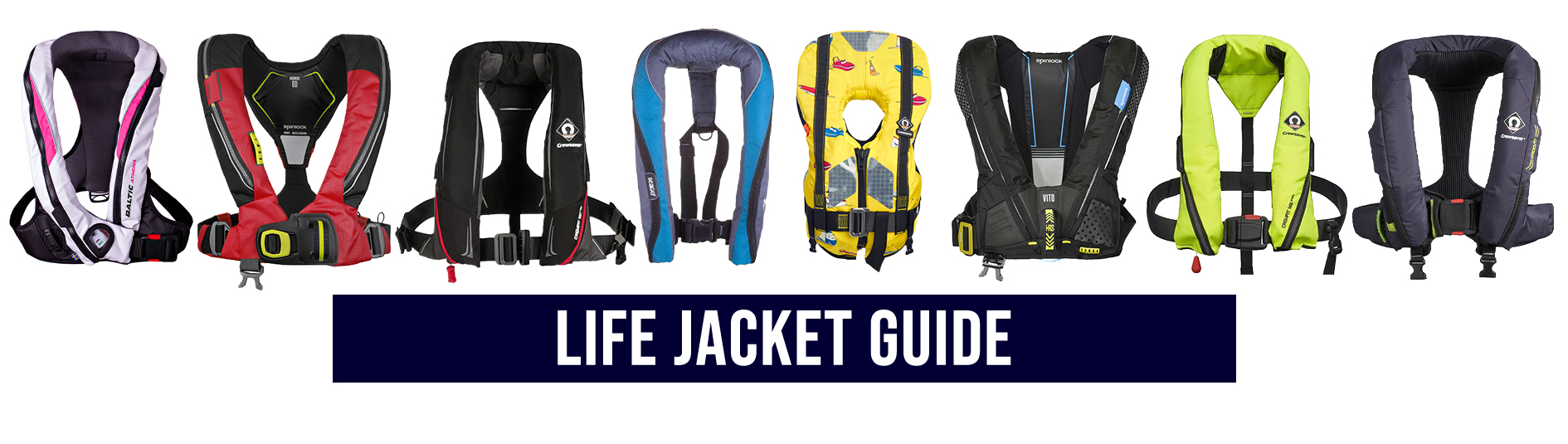
Choosing the right life jacket could save your life. Whether you’re sailing around the British coast, sea fishing, or enjoying water sports, understanding key features and variations will help you pick the right life jacket to protect you. Understanding how buoyancy ratings, inflation types and essential features mean that you’ll be happy to wear what you pick.
With over 30 years of marine safety expertise, this guide explains everything you need to make the right choice!
A life jacket, also known as PFD (personal flotation device), is one of – if not the most – essential item of safety equipment for activities in and around water. Lifejackets can save lives and provide great peace of mind so you, your friends and your family can make the most of your time on the water, in complete safety.
But how do you you choose a lifejacket? With such a wide range of features and prices on the market it is easy to be confused.
In this guide, we will explain the jargon around personal flotation devices and give you all the information needed to choose the best life jacket for your needs, and ensure you are confident in making that potentially lifesaving purchase.
Life Jacket vs Buoyancy Aid – What’s the Difference?

Typically, these terms are often used interchangeably, but there is an important distinction:
Life jackets (100N, 150N, 275N) are designed to turn and keep an unconscious person face-up in the water with their airway clear. They are essential for off shore and coastal sailing, where you need to be able to get the right way up without any assistance.
Buoyancy aids (50N) help a conscious swimmer stay afloat in the water, but they won’t turn an unconscious person face-up. These are best for water sports activities where you need something less restrictive for freedom of movement, or sports like stand up paddle boarding where there is a likelihood you will fall in.For more information on buoyancy aids, check out our complete guide on how to choose the right buoyancy aid.
In general, the best way to look at it is to focus on the buoyancy rating (Newtons), rather than the name of the jacket.
Automatic or Manual Life Jackets?

Automatic lifejackets
Automatic life jackets are activated when they go into the water. This means that even if the casualty is unconscious and face down in the water, the life jacket will automatically inflate and turn them onto their back. There are two different types of automatic inflation: water activated such as Automatic and Pro Sensor life vests, or pressure activated Hammar life jackets.
Water-activated lifejackets generally have a water-soluble tablet that dissolves once in contact with water. This then releases a spring which punctures the CO2 bottle allowing the gas to fill the life jacket. There was a time when these jackets might have gone off accidentally if the user was getting too wet. This rarely happens now due to improved firing mechanisms being used and better jacket designs.


Manual lifejackets
As the name suggests, manual life jackets are only activated by manually pulling a toggle which inflates the life jacket. For most water activities, we recommend getting an automatic life jacket, in the unfortunate event that you fall unconscious in the water and can’t manually activate the vest.
Whether the life jacket is automatic or manual, they all have an emergency pull cord to allow manual activation.

Hammar lifejackets
Water pressure (Hammar) life jackets work once they have been submerged in approximately 10cm of water pressure. Once this pressure has been achieved it punctures the CO2 cylinder, filling the bladder with the gas. However if the jacket does not reach the right pressure, it will not activate and needs to be activated manually. For this reason, Hammar life jackets are mainly used in activities where the user is getting extremely wet, where a normal water activated jacket would accidentally set off.

With or Without Harness?
This is whether the life jacket can be used as a harness and has an attachment point for a safety line. This is usually a metal or soft material loop at the front of the life jacket. Consider whether it is safer to be attached to the boat, for example at night, or whether you are safer to be floating free in the water e.g. not being dragged by a powerboat at high speed. You should never harness yourself to a vessel travelling at high speed.

Newtons of Buoyancy
The official rating of flotation devices is in Newtons and falls into four categories: 50N, 100N, 150N, 275N.
Devices may offer increased buoyancy to those above e.g. Crewsaver Ergofit Offshore 190N. but as it does not match or exceed the next level it is still classed in the 150N category, Even though it well exceeds 150N.
The exception to this rule is children’s lifejackets.
Which Newton of buoyancy do I need?
The standard for most adult inflating life jackets is 150N. Depending on what other features the life jacket has, 150N can be suitable for inshore all the way up to offshore sailing. 150N has more than enough buoyancy to turn an adult around quickly, even if wearing offshore sailing kit.
If you spend a lot of time ocean sailing, chances are that you will be wearing a lot of heavy ocean foul weather kit. Most modern foul weather suits do a very good job of trapping the warm air between layers keeping you warm and comfortable. On the downside, if you were to fall overboard unconscious and end up face down, all this air would rush to your back. In situations like this a 275N life jacket would be better, as you need enough air to counter balance the trapped air in the suit to turn you face up. Increased buoyancy and bladder size don’t always constitute an advantage, as it is harder to use in the water, for example when getting into a life raft.
100N life jackets are mostly designed for children, as they are smaller and don’t need the same amount of gas to inflate and turn the wearer over.
There are 100N life jackets for adults, but these are usually the non-inflating foam kind that are only designed for sheltered inshore waters and not wearing foul weather clothing.
Lastly, 50N life jackets are only classed as a buoyancy aid. These are mostly used in dinghy sailing or general inshore water sports where help or a safety boat is close by.

Choosing the Right Buoyancy for Your Activity
50N (Buoyancy Aids): Dinghy sailing, paddleboarding or supervised water sports in calm waters with immediate rescue available. View our buoyancy aids and vests.
100N: Inshore sailing and fishing within 12 miles of shore. Suitable for coastal boating in moderate conditions when not wearing heavy clothing.
150N: The most popular choice for UK sailors. Recommended for offshore sailing, solo sailing, night passages, or any situation where rescue may take time. Reliable self-righting even when wearing foul weather gear.
275N: Ocean passages and extreme offshore conditions when wearing very heavy clothing and equipment.
Life Jacket Comfort
For many years lifejackets were just a bladder attached to webbing straps folded into a flat two-dimensional outer cover. These were not very comfortable to wear, which resulted in many boaters simply not wearing them.
Over the last decade, safety manufacturers have addressed this issue and now comfort is an important factor in their design process.
We now have life jackets that have 3D designs which wrap around the body distributing the weight evenly as well as sitting off the neck. This allows users to wear life jackets for extended periods of time without fatigue.

Features to Consider

Sprayhoods
Lifejacket sprayhoods stop you from breathing in the sea spray and keep your airways free. It is entirely possible to drown (secondary drowning) from just breathing in too much sea spray, especially in cold water when you are gasping for air. Sprayhoods are usually made of a hi-vis material with a clear panel at the front and ventilation holes at the sides. This also aids visibility on the water.
Sprayhoods are sometimes built into life jackets, which you pull over once activated. Other times they are in a separate pouch on the waistband.
Sprayhoods can be purchased separately from your life jacket. Either choose a universal life jacket sprayhood or the sprayhood brand model that best fits your vest.
Built in Lights
Built-in lights are absolutely essential for sailing at night or in low light conditions. If you were to fall overboard at night, you would not be seen without one.
Many lifejackets now have these built in as standard, whilst others have attachment points for adding in later. Most lights attach to the top of the bladder and are water activated. There are even some that light up the entire bladder such as the Spinlock Lume-On which is used in addition to lifejacket lights to improve visibility even further.
see all life jacket accessories
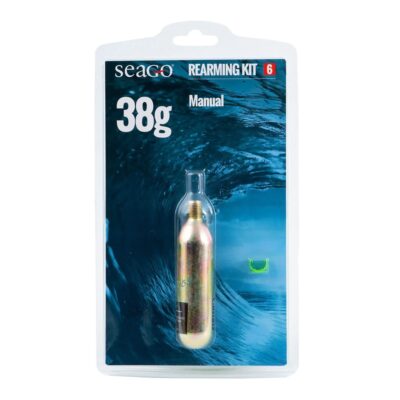
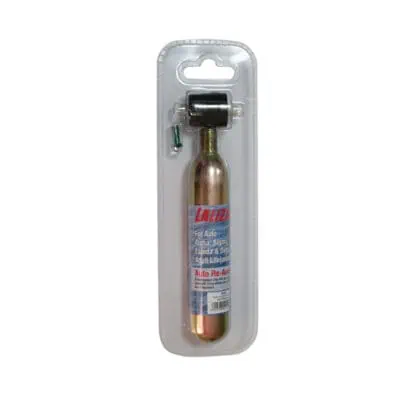
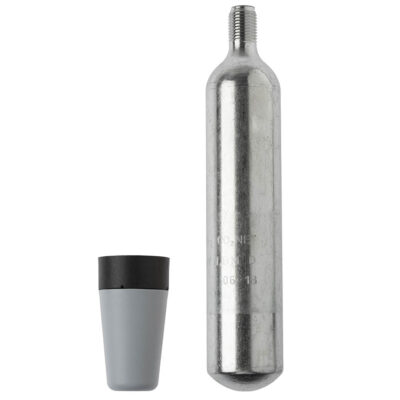
Firing mechanisms, Rearming Kits & Gas Cylinders
There are many different types of lifejacket firing mechanisms. Most manufacturers use third party mechanisms in their vests.
Examples of these brands are United Moulders, Halkey Roberts and Hammar, although there are many more. It is important when rearming a lifejacket, to purchase the correct kit and ideally the one provided by the manufacturer of your vest.
The size of the gas cylinder will also depend on the life jacket. These cylinders are measured in grams and it’s important to get the right size. Most lifejackets will tell you somewhere on the cover or tag what size cylinder is required. The most typical sizes you will see are 23g, 33g, 38g, or 60g.
(United Moulders, Halkey Roberts, Hammar, Manual Pictures] MK5 MK3 Elite Pro Sensor etc…)




How to Look After Your Life Jacket
A properly maintained life jacket should last 10 years, but annual professional servicing is essential as the inflation bladder, mechanism and CO2 cylinder all degrade over time.
Between services, you should check the outer cover for tears, abrasions or UV damage, make sure all straps and buckles move freely, and test manual inflation by blowing through the tube and checking how the pressure has been retained after 24 hours.
It’s also important to weigh the CO2 cylinder. If it’s lost more than 10% of its stated weight, you should get a new rearming kit.
Life jackets should be stored in a cool, dry place away from direct sunlight, and rinsed and dried thoroughly after exposure to salt water
Even it looks fine, replace after your life jacket every 10 years as bladder materials degrade with UV and time even without visible wear.
Kids Life Jackets

Manufacturers have very different recommendations for children’s lifejackets. Whether it be the weight of the child, the size, or what the recommended starting age is.
It is best to decide on a child per child basis.
If the lifejacket fits the child, it will work. Check that the lifejacket will not slip off the child’s shoulders and that the webbing / straps are comfortably tight enough, especially the crotch straps.
Another consideration to keep in mind is if the child is old and mature enough to understand the operation of the jacket. This is particularly important if, for any reason, the child has to manually activate the jacket. They also have to be old enough to know when not to pull the manual cord. Young children are inquisitive and are likely to pull the manual cord to see what happens.
This is where a foam filled life jacket would be best as you won’t have any of the issues above… or the costs of replacing the gas cylinders!
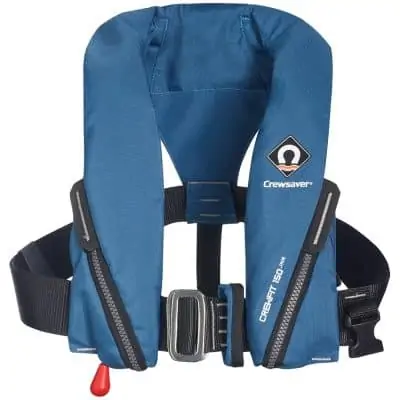
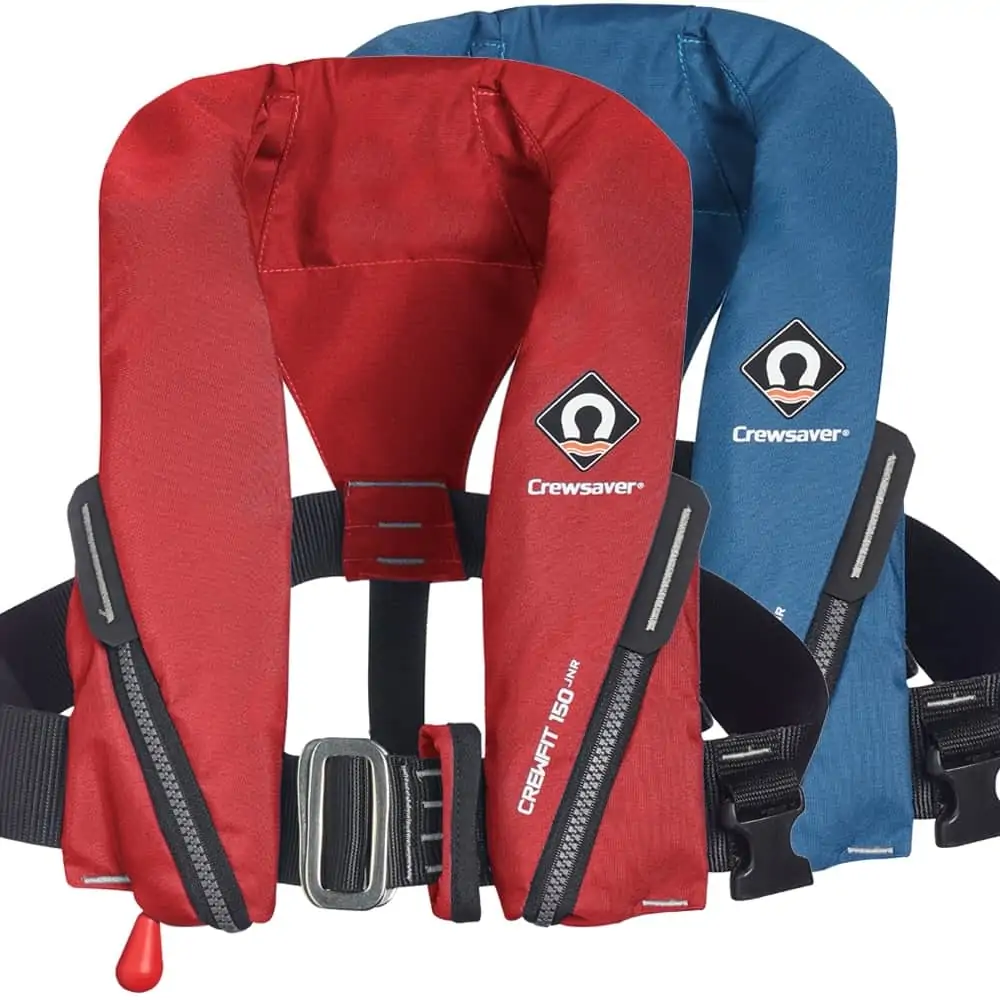
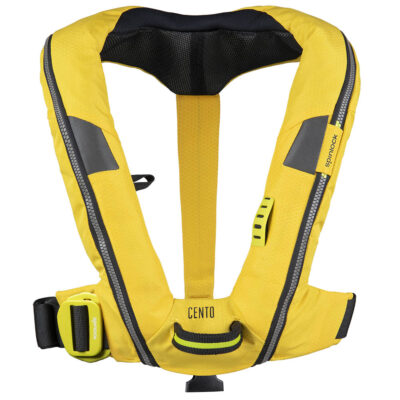
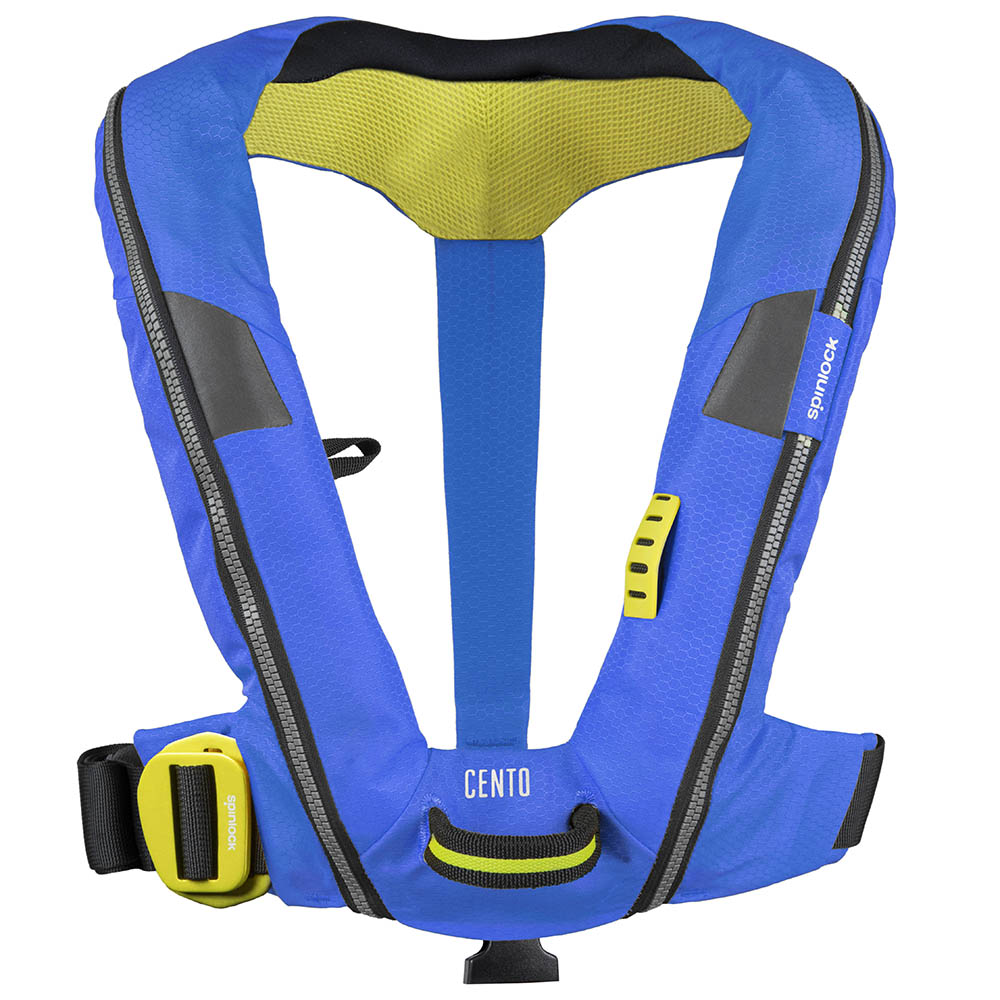
Purpose-designed children’s life jackets account for lower body weight and include essential features like head support for younger children, while a baby life jacket will also include grab handles for easy lifting from the water. Browse our children’s life jackets range to keep kids comfortable and safe when out on the water.
Life Jackets for Dogs & Pets
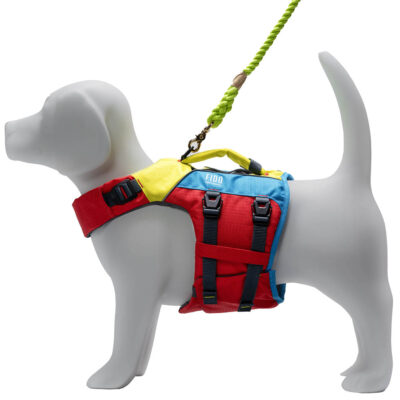
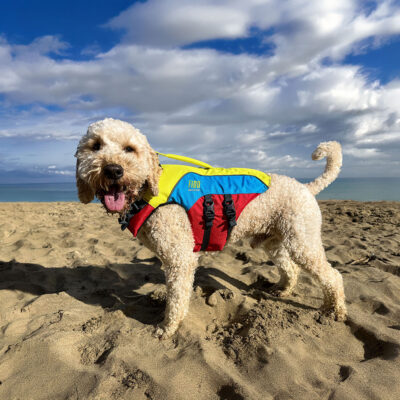
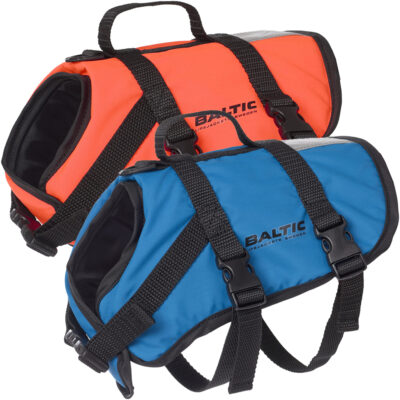
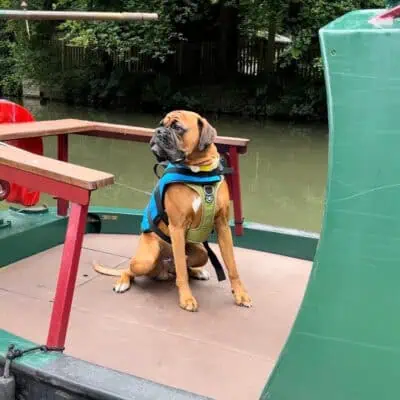
Dogs need specialist flotation devices designed for their anatomy – a wet, struggling dog is extremely difficult to lift back aboard without the right equipment.
Dog life jackets are specifically designed to save your pet, and help you get them to safety, with a handle for lifting the dog into a boat, a buoyant collar support to keep their head above water and adjustable chest and belly straps for secure fit
Sizing for a pet life jacket is based on weight and chest girth measured at the widest point behind front legs – measure carefully though, as different breeds with the same weight have very different body shapes. Some pet life jackets are suitable for cats or dogs, but most are designed for a specific animal.
You can explore all our pet and dog life jackets to find the right fit for your furry crewmates.
£25.95 - £37.95
Which Life Jacket Should I Buy?
Now that you have read all the information above, the question is, which life jacket should you buy?
First, ask yourself what activity you will be using it for? While most life jackets we sell can be used across a wide range of activities, some features are specific.
Will you be wearing lots of foul weather clothing? Then the higher the buoyancy, the better.
If you are on a sailboat you might consider having a harness built in for the use of safety lines, whereas powerboat users wouldn’t necessarily require this option.
Will you be sailing at night? If so, having a built-in light or the ability to add one is essential.
How long until you are likely to be rescued? A sprayhood that you can pull over to prevent the inhalation of sea spray is a good idea if there is a chance you could be in the water for a prolonged period of time.
Here’s our video featuring some of our best selling inshore and coastal life jackets.

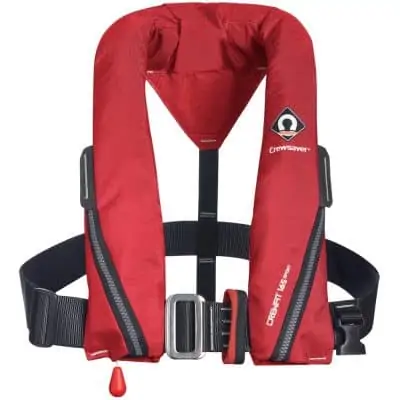
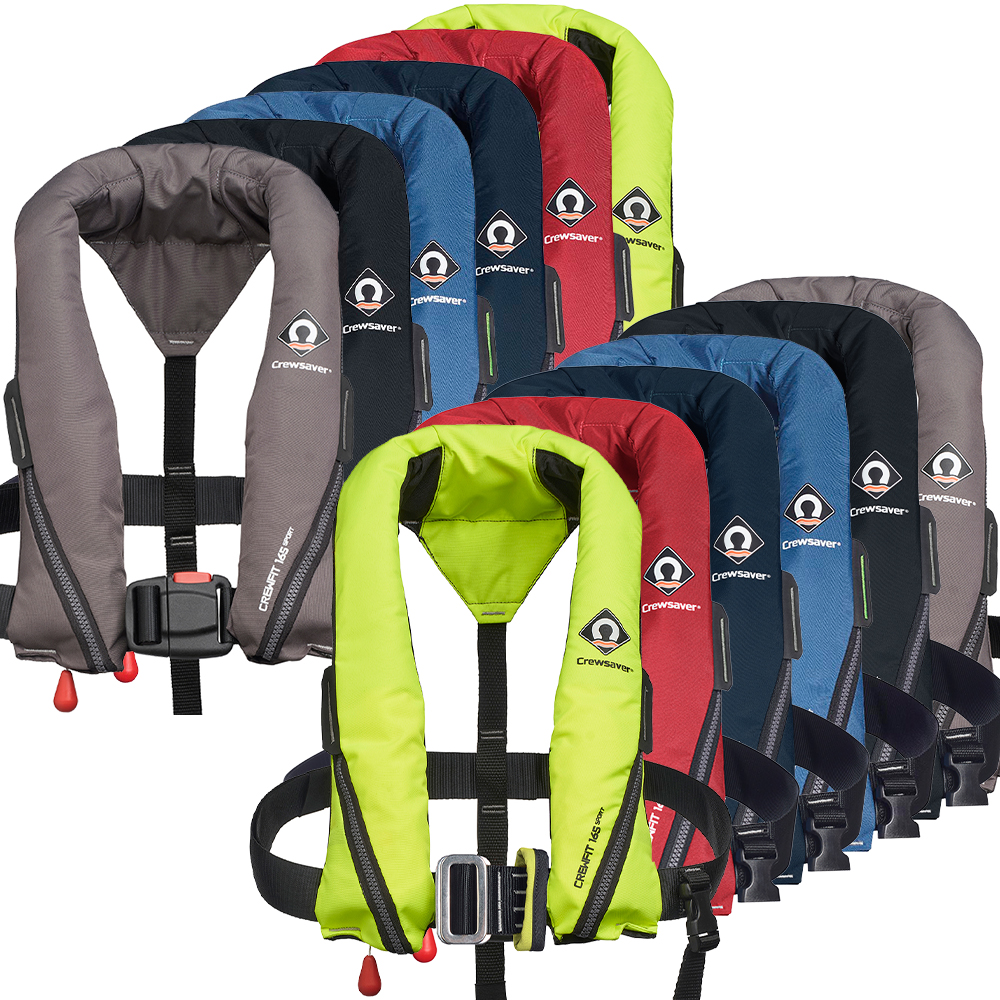
£79.95 - £89.95
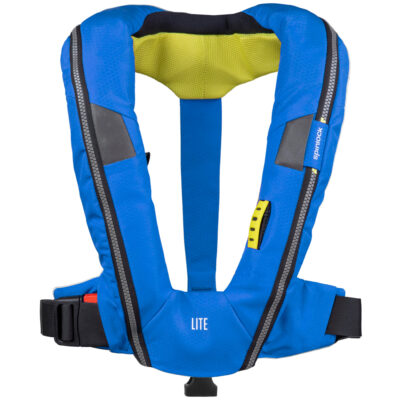
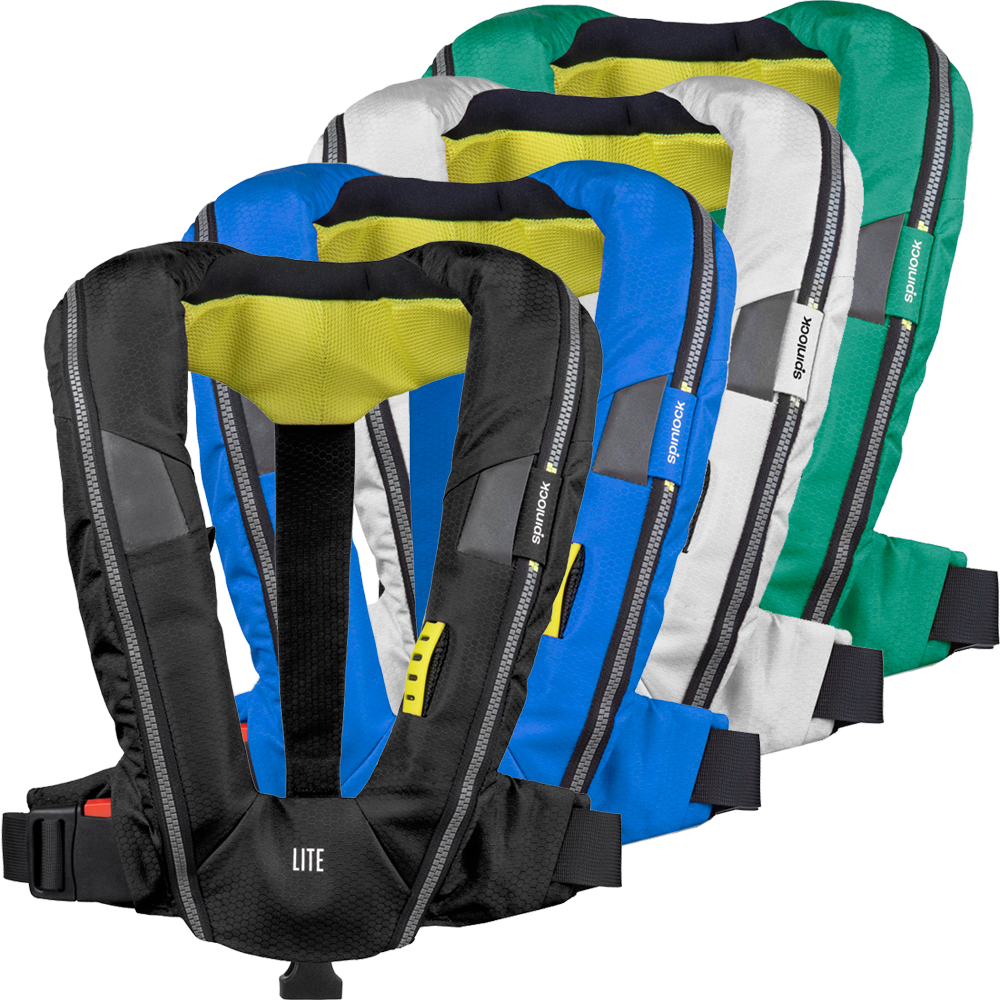
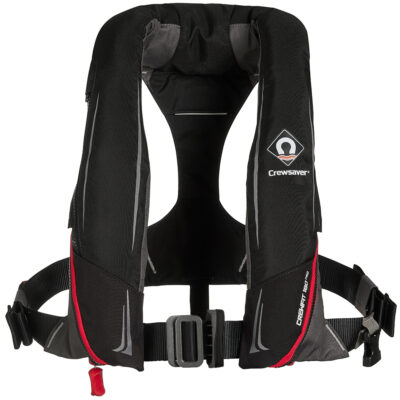
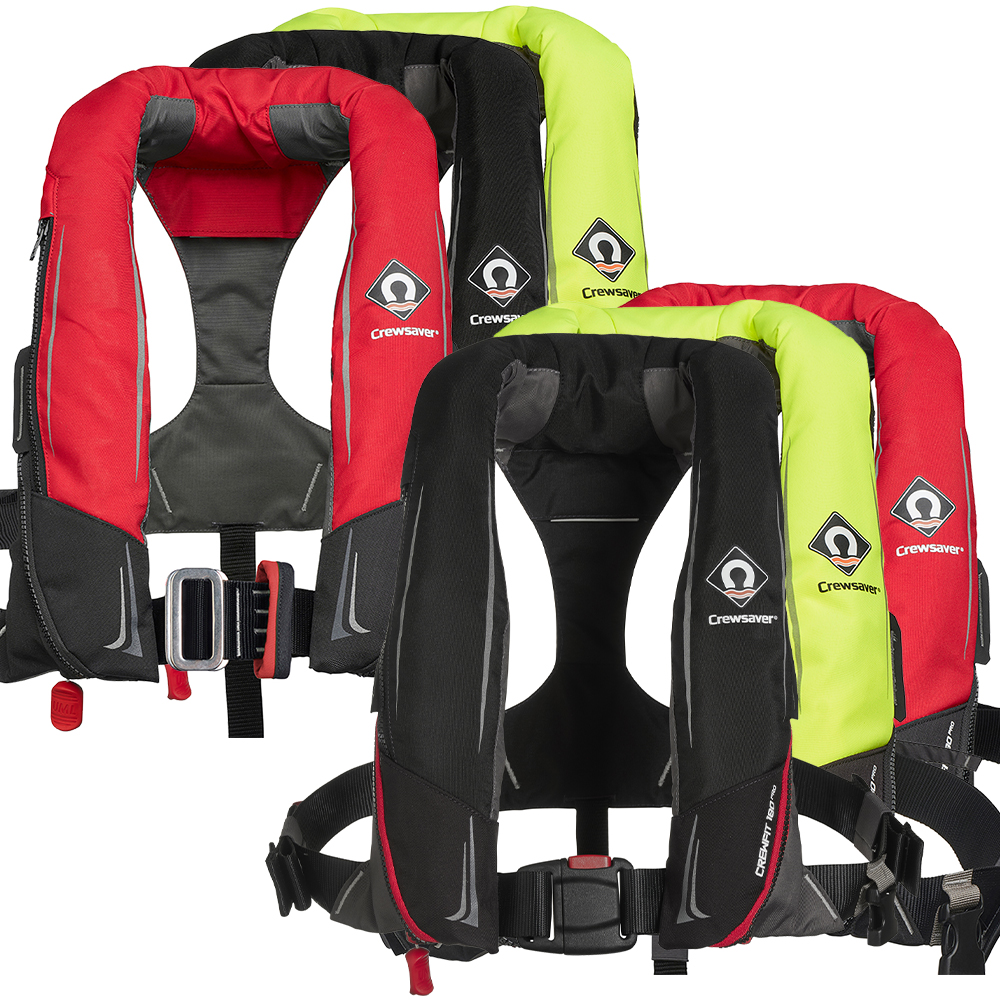
£109.95 - £119.95
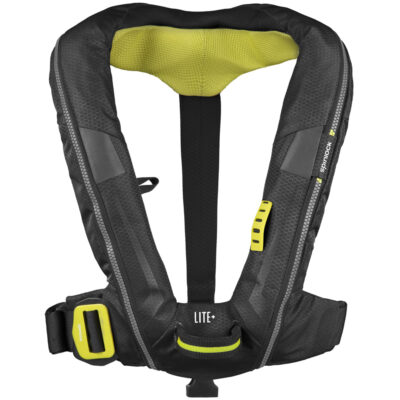
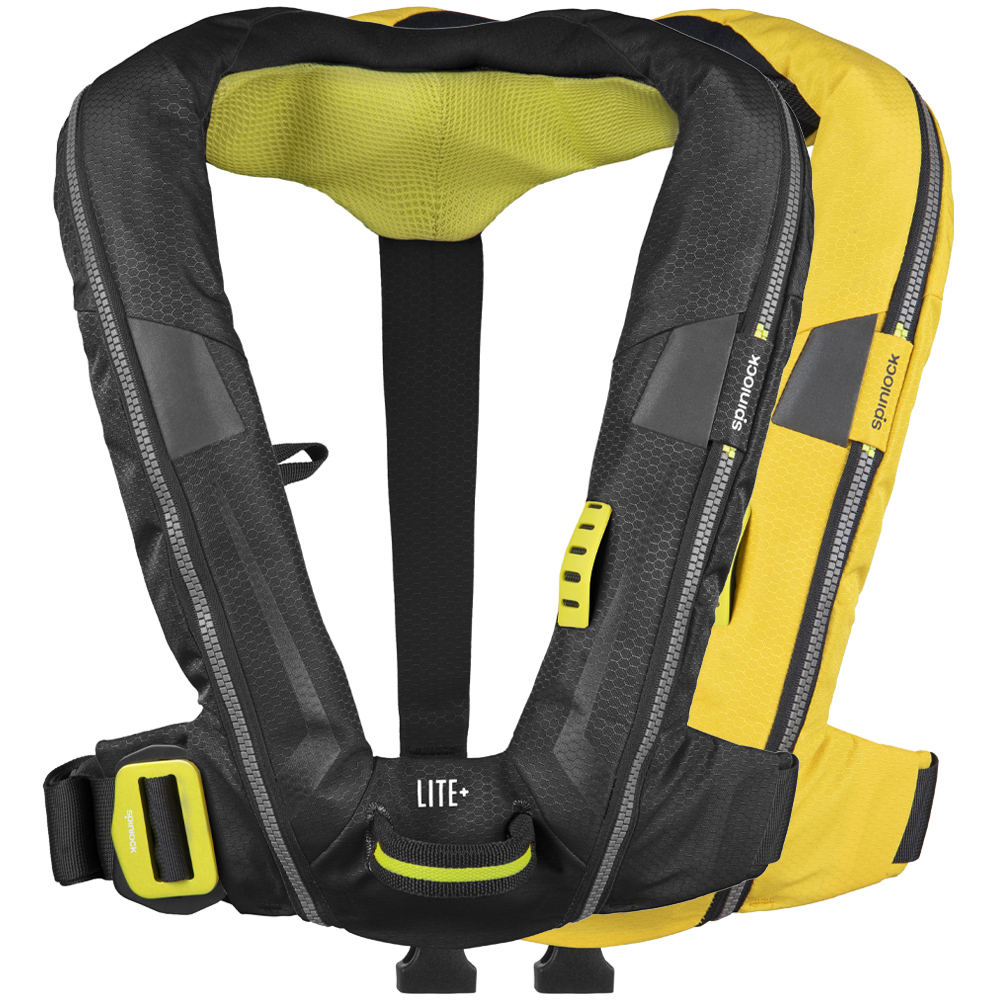
Offshore Life Jackets
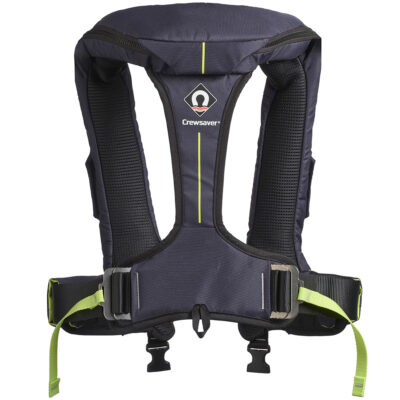
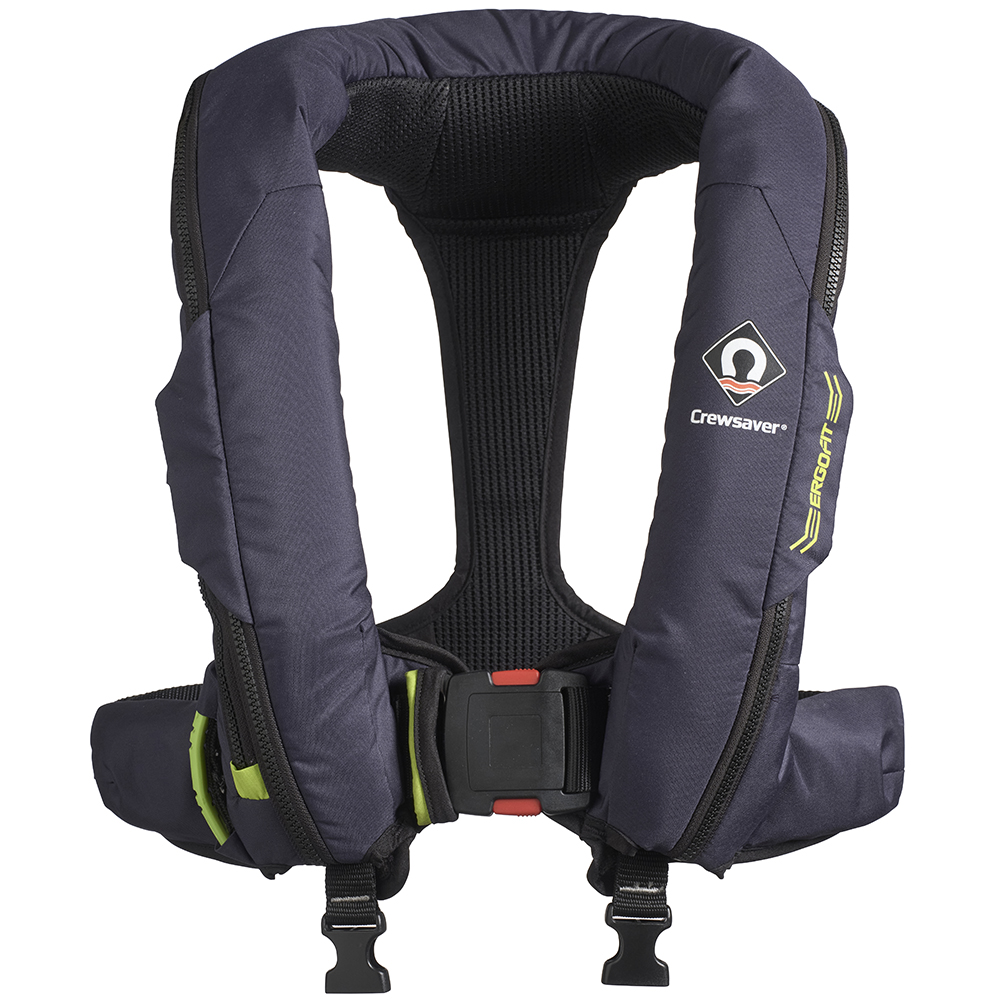
£199.95 - £219.95
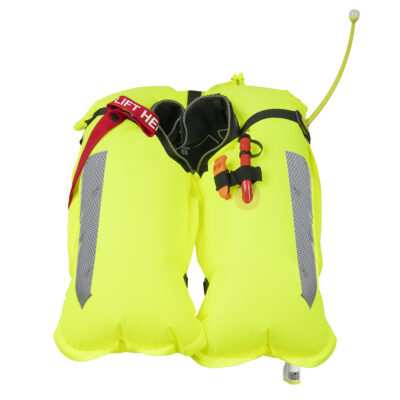
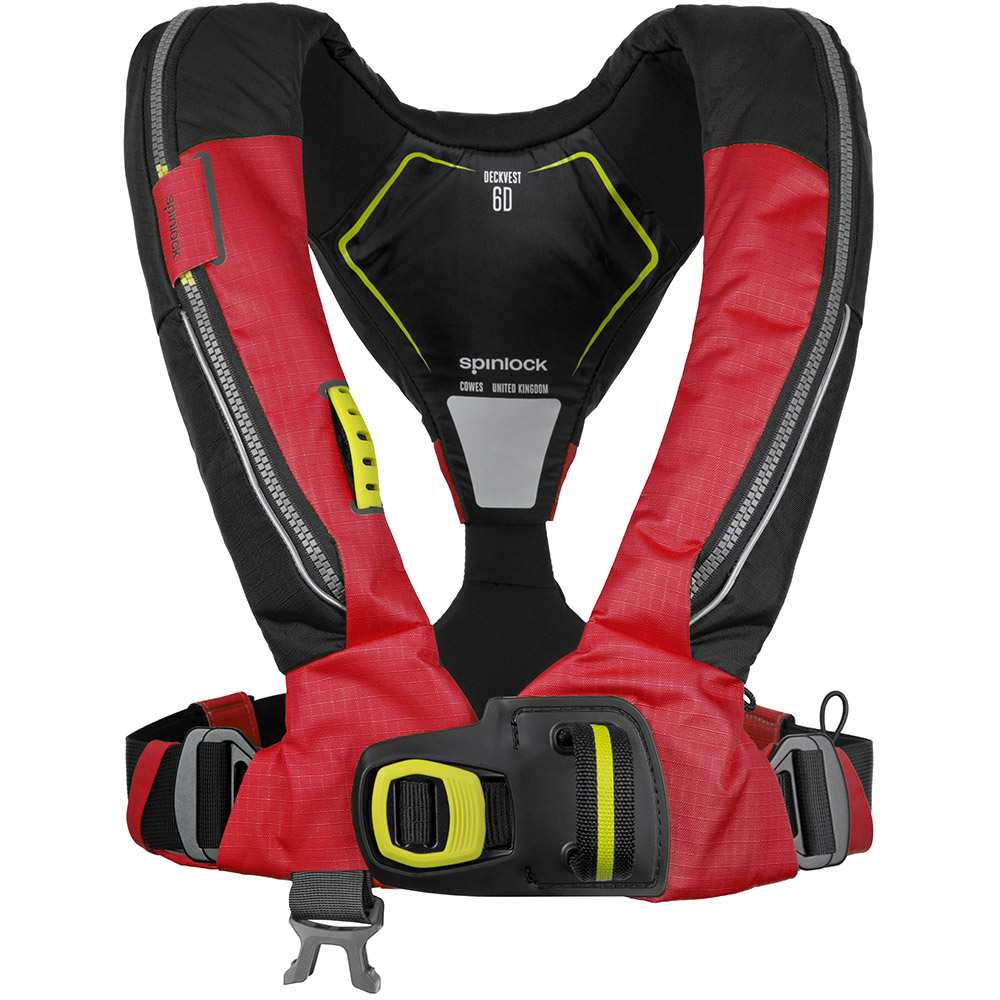
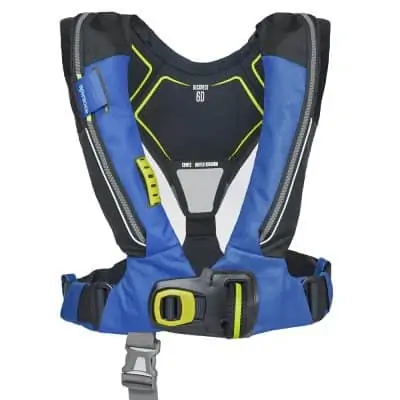
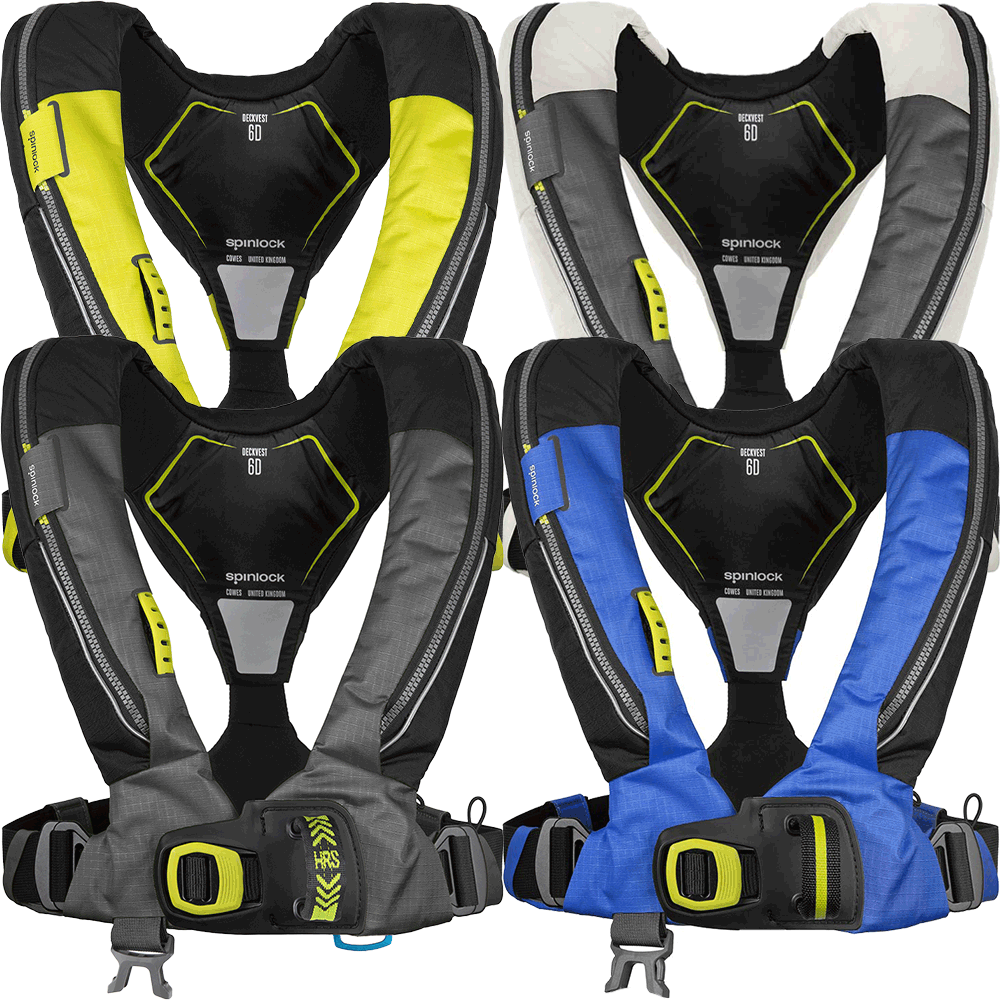
£229.95 - £289.95
Ocean Life Jackets
£229.95 - £289.95
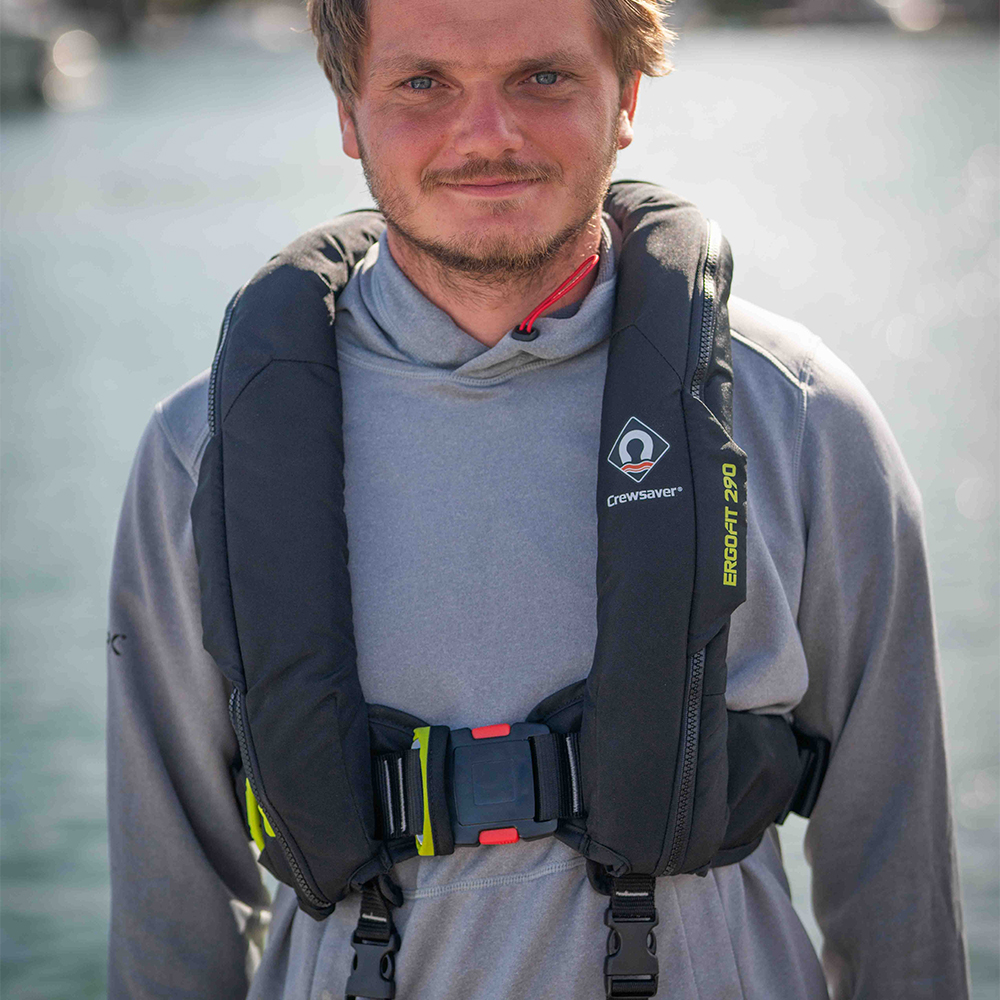
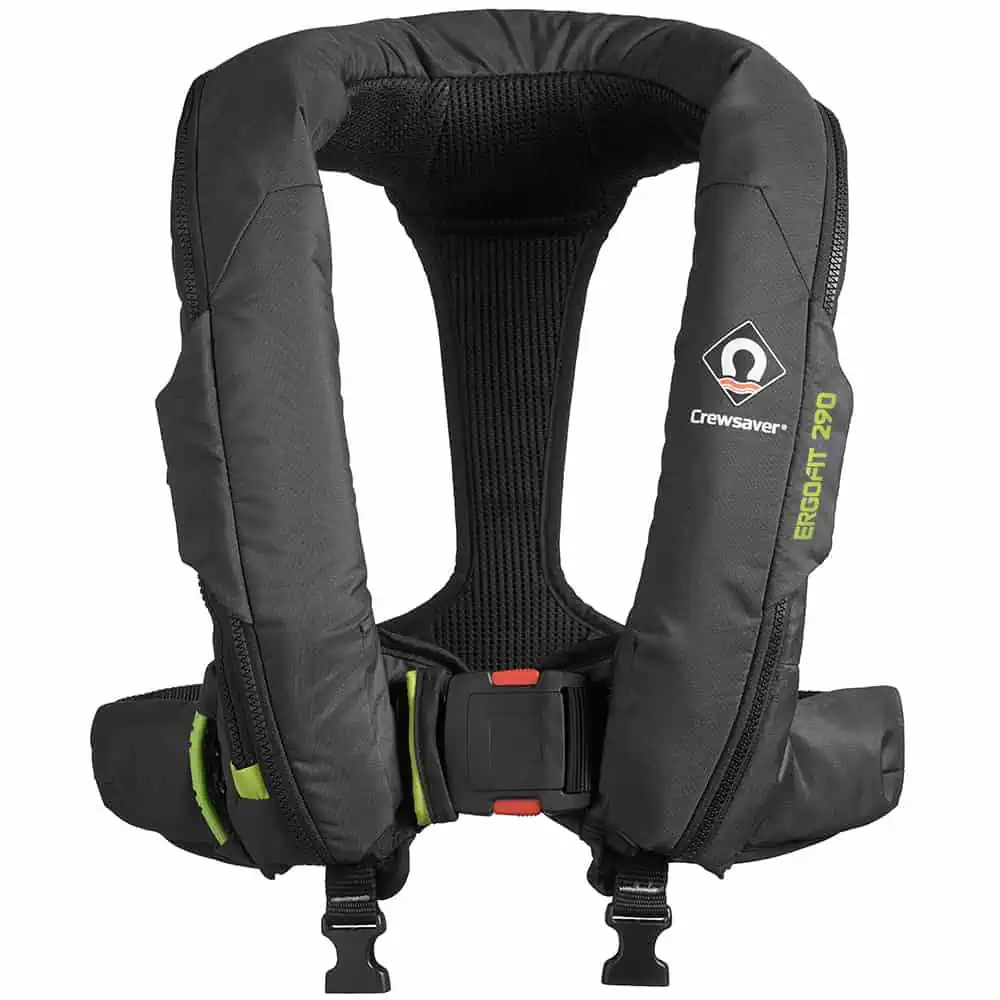
Junior Life Jackets
28%
OFF
OFF
Here are all your lifejacket FAQ' s answered:
What's the difference between a life jacket and a buoyancy aid?
A life jacket (100N+) is designed to turn and keep an unconscious person face-up in the water. A buoyancy aid (50N) provides floatation for a conscious swimmer but won't self right an unconscious person. For coastal and offshore boating, choose 100N minimum.
Buoyancy aids are more suited to sports like kayaking and paddleboarding, where it is likely you will fall in the water.
Should I choose manual or automatic inflation?
Most people tend to go for automatic inflation, working handsfree when submerged. However we also stock manual inflation, which can be ideal in heavy-spray conditions. All life jackets have emergency manual pull cords as backup.
How often should life jackets be serviced?
The RNLI strongly advise that life jackets need be serviced annually, or immediately after any inflation. Between services, check every 3 months for corrosion or damage on the CO2 cylinder. You can also weigh the cylinder to see if it has lost any of its gas.
Test manual inflation yearly too. Replace after 10 years REGARDLESS of condition.
What buoyancy rating do I need for sailing in the UK?
For offshore sailing beyond 60 miles, choose 150N minimum. For coastal sailing within 60 miles, 100N is adequate though most standard inflating life jackets are 150N and above for extra margin. For inshore and dinghy sailing, 50N buoyancy aids are suitable.
What size life jacket does my child need?
Choose purpose-designed children's models based on weight, not age. Ensure the life jacket won't slip off shoulders, the straps are comfortably tight (especially crotch strap) and consider whether the child is mature enough to understand manual inflation.