




OFF
Here are all your FAQ's on Depth Finders:
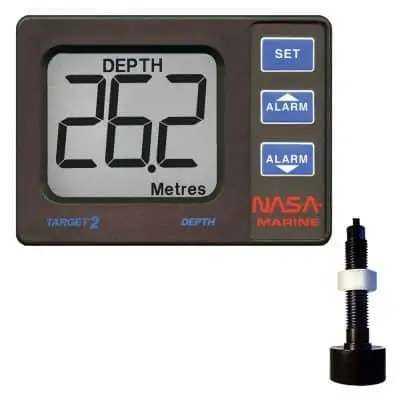
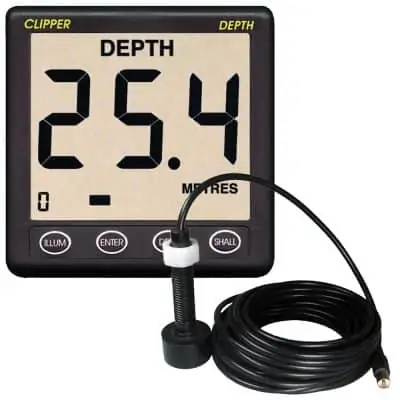
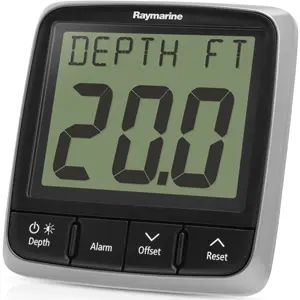
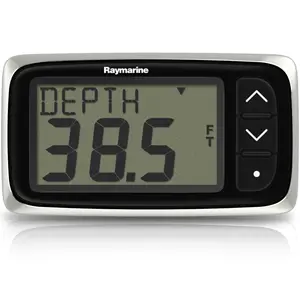
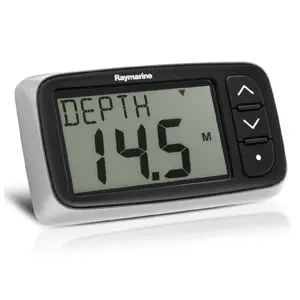
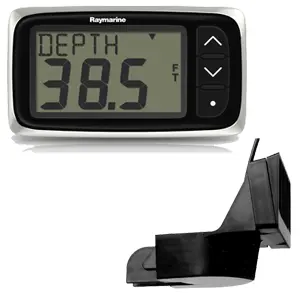
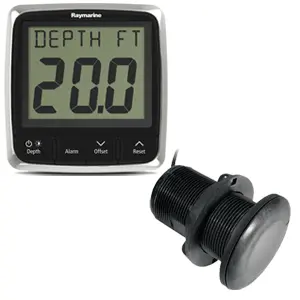
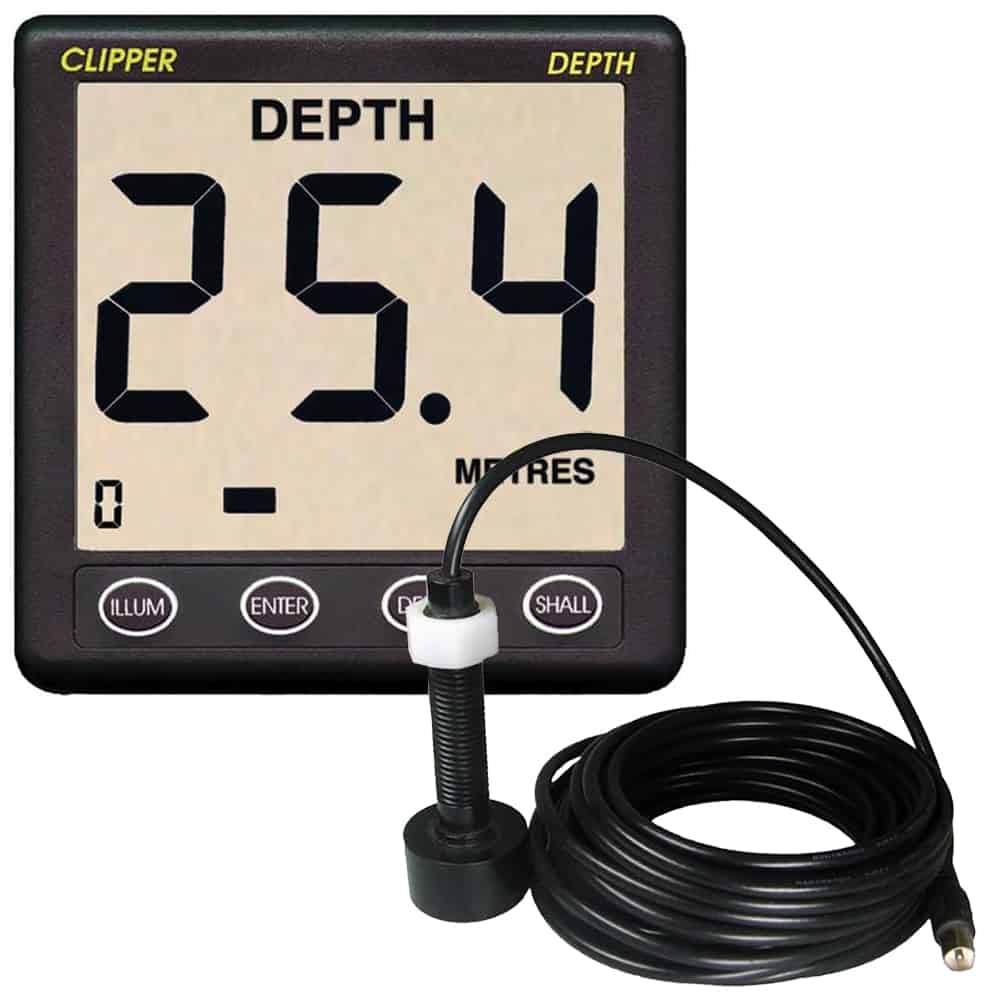
A depth finder uses sonar to measure the depth of water beneath your boat by sending a signal from a transducer and timing how long it takes to return from the seabed.
A depth finder helps you navigate shallow water safely, avoid grounding, enter harbours with confidence and anchor at correct depth.
The terms depth finder and depth sounder are often used interchangeably and both refer to instruments that display water depth using sonar technology.
Depth finders are suitable for most boats, including sailing boats, motorboats, dinghy boats and small craft, as long as a compatible transducer can be installed.
A depth finder transducer can be mounted through the hull, on the transom or inside the hull, depending on the boat type and the transducer design.
Depth finders can work at speed, but performance depends on correct transducer installation and maintaining good water flow across the sensor.
Many chartplotters include depth data when connected to a transducer, but a standalone depth finder can be useful as dedicated display or backup system.
A depth finder focuses on measuring water depth, while a fish finder provides additional sonar detail to show fish and underwater structures.