


OFF
OFF



OFF


OFF
OFF
OFF
OFF



OFF
OFF

OFF
OFF
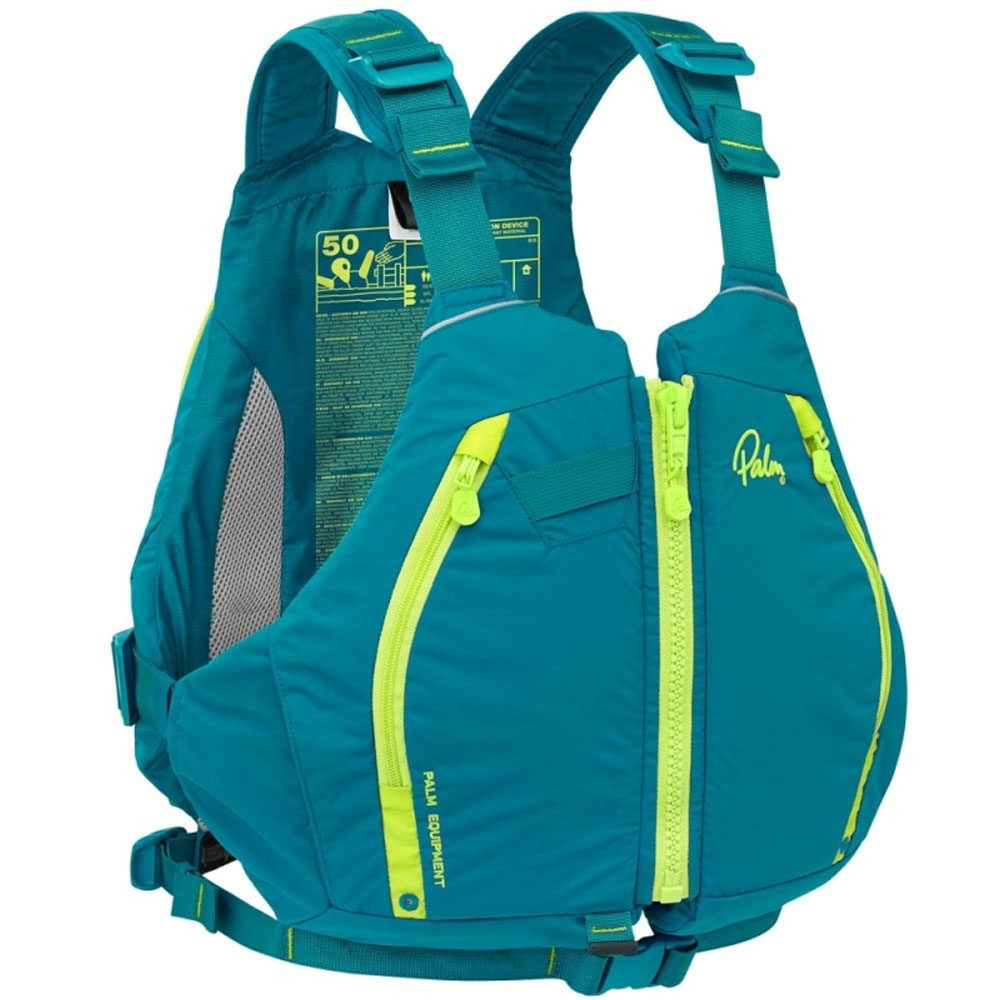
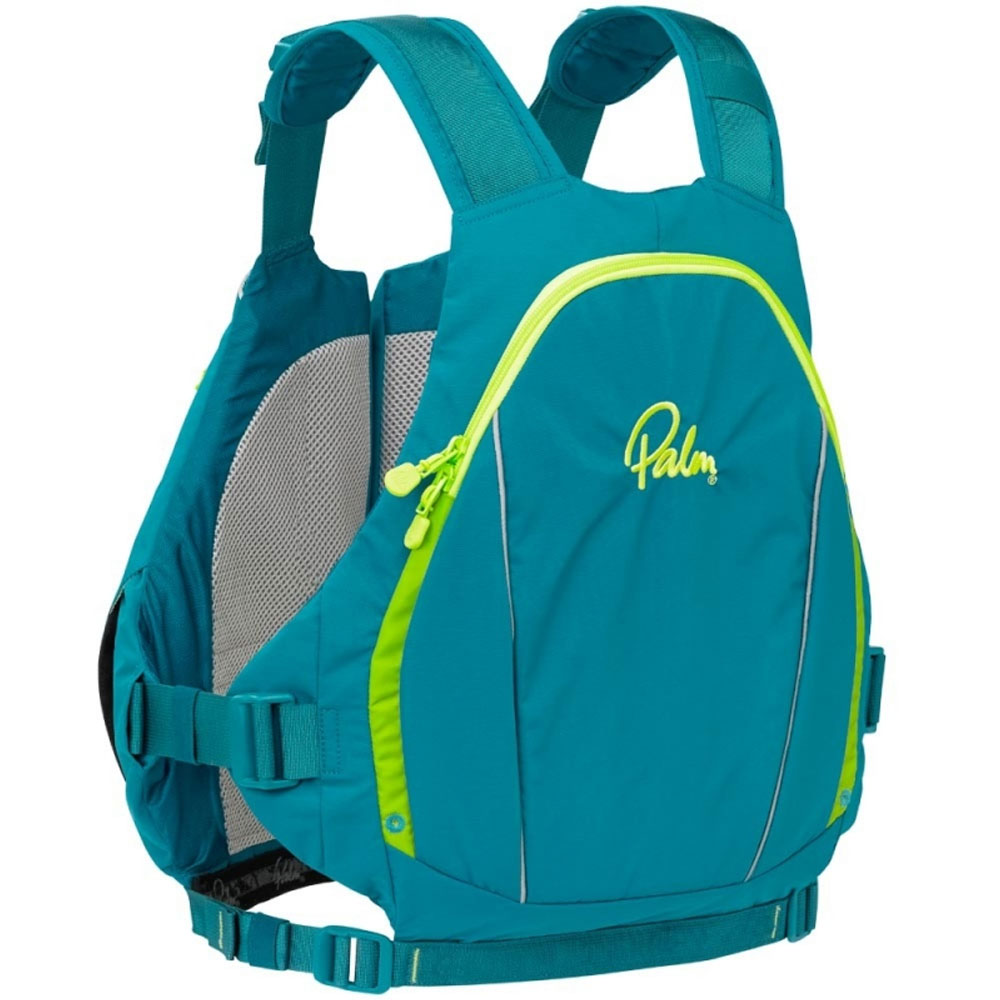
Watersports Personal Floatation Device Frequently Asked Questions
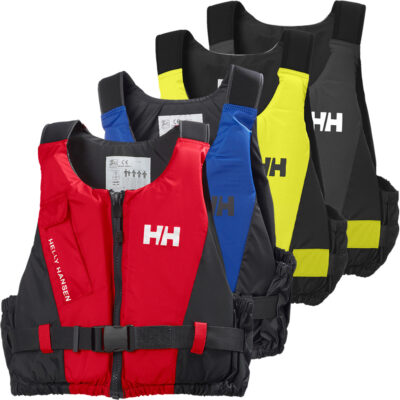
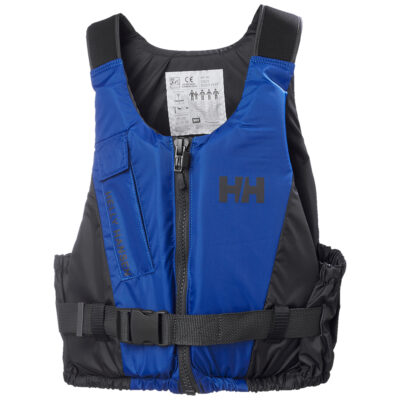
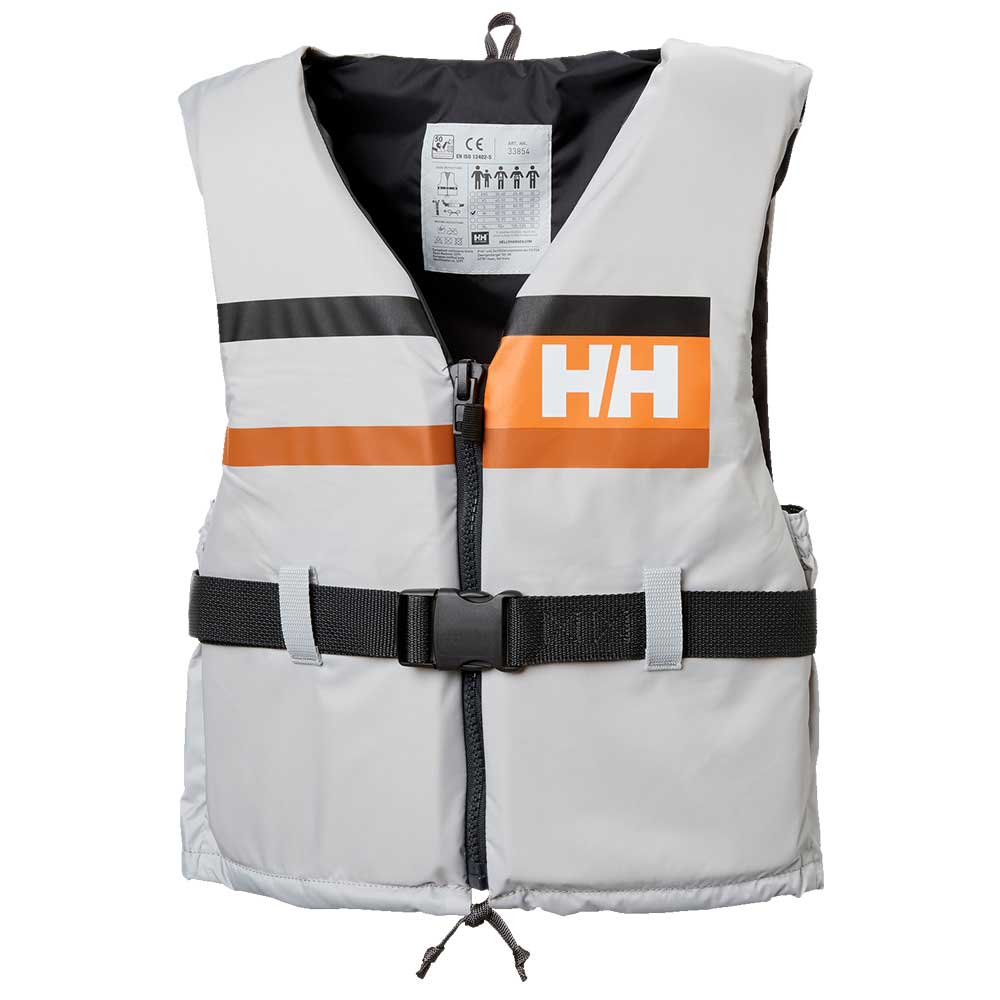
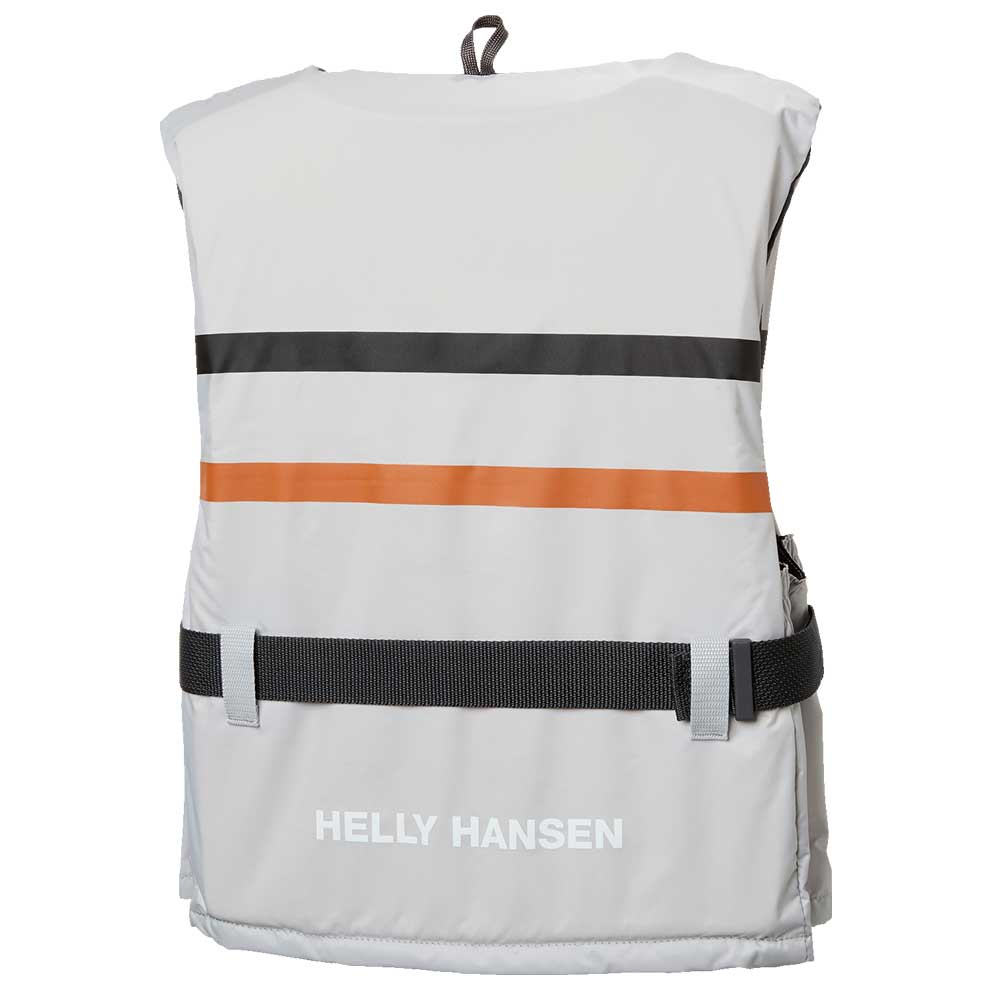
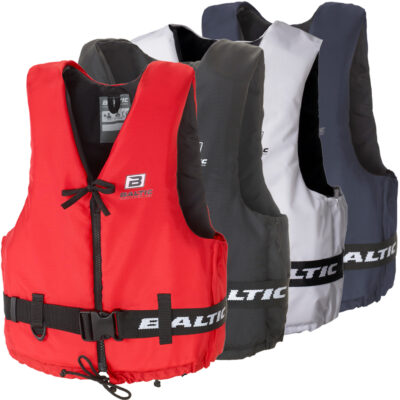
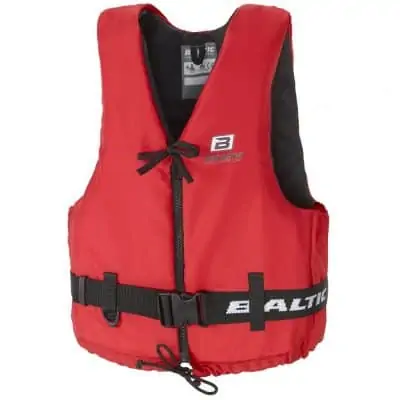
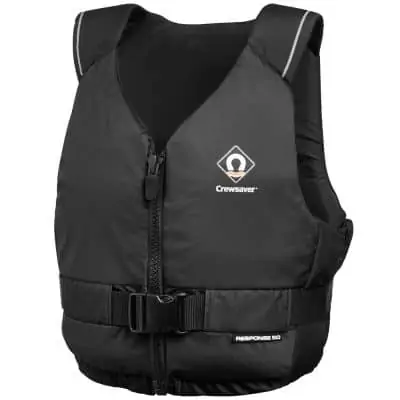
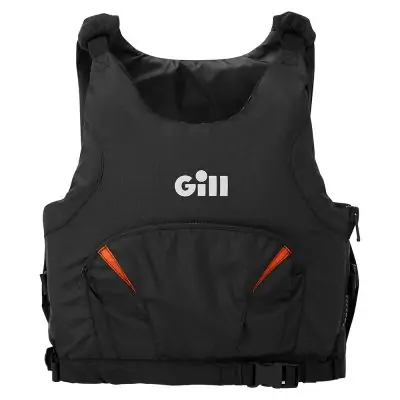
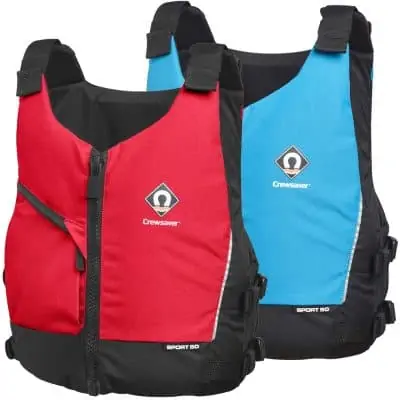
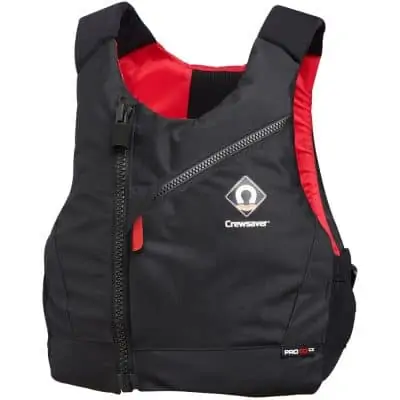
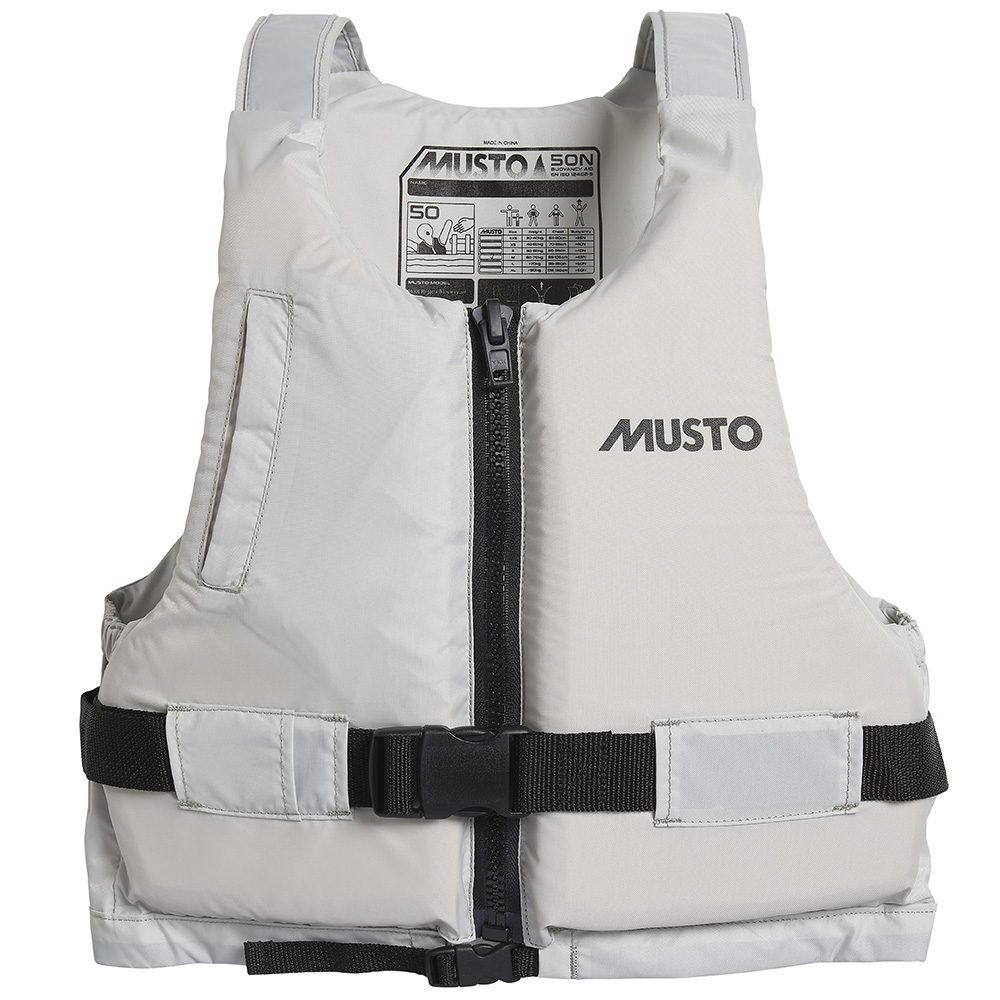
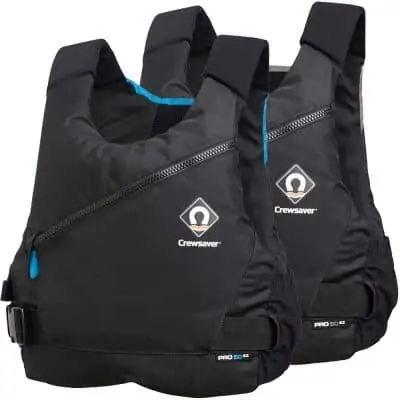
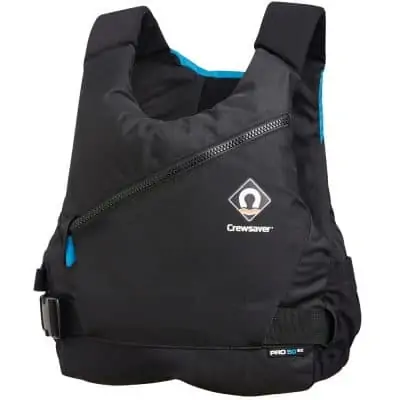
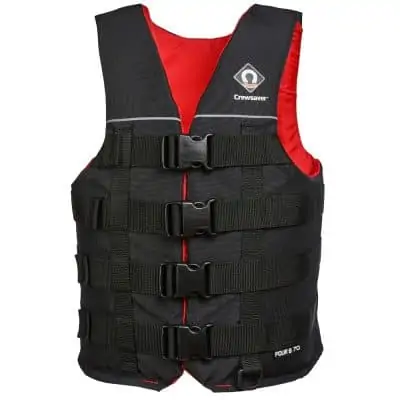
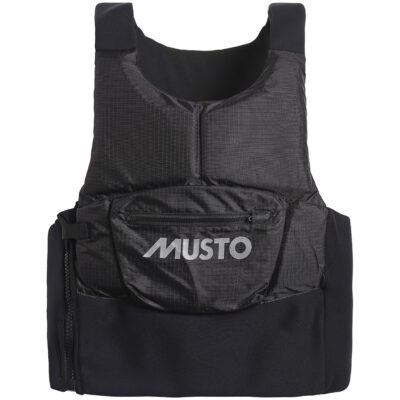
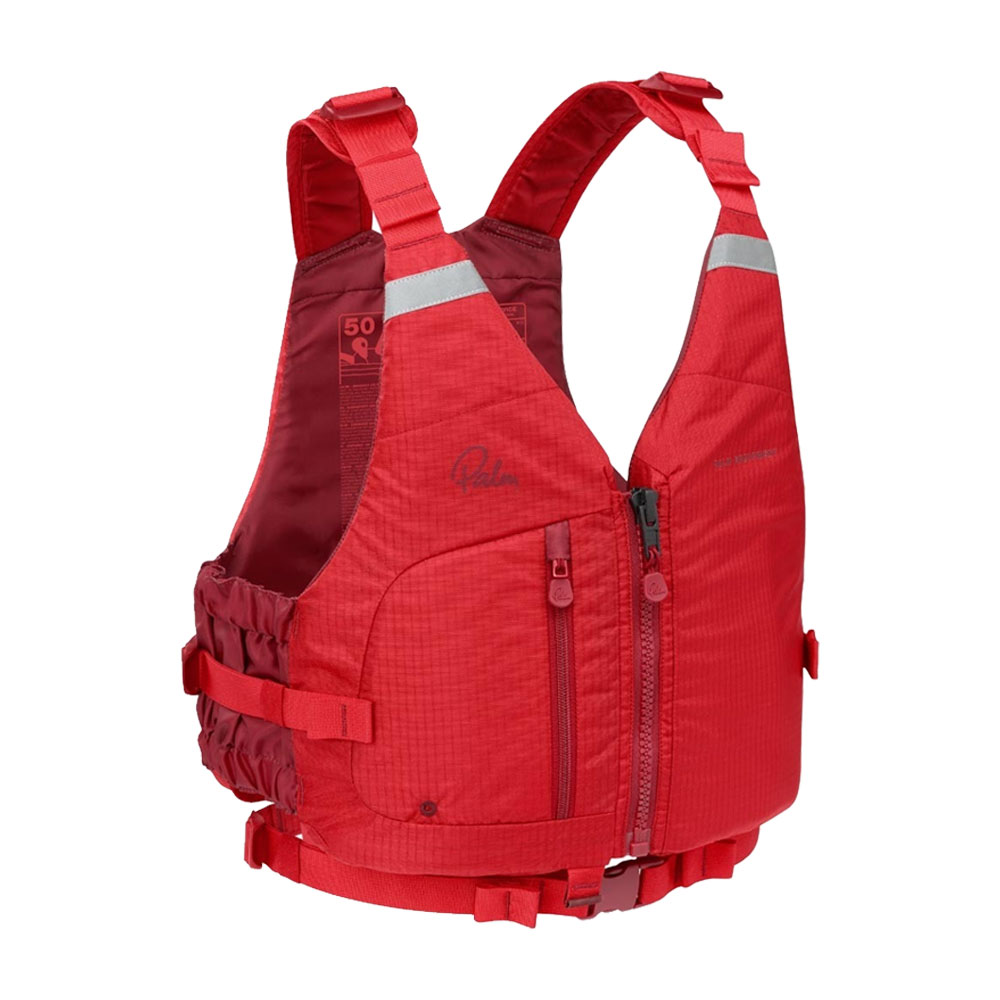
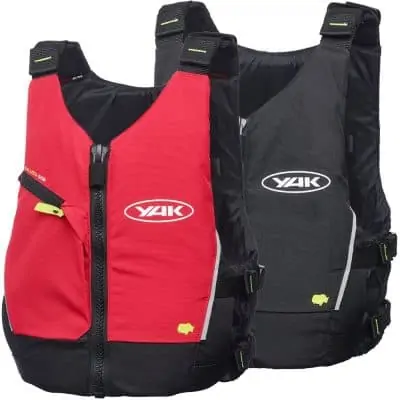
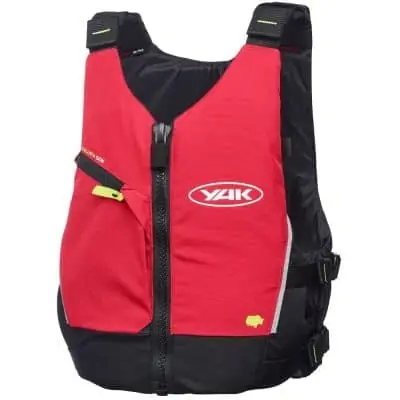
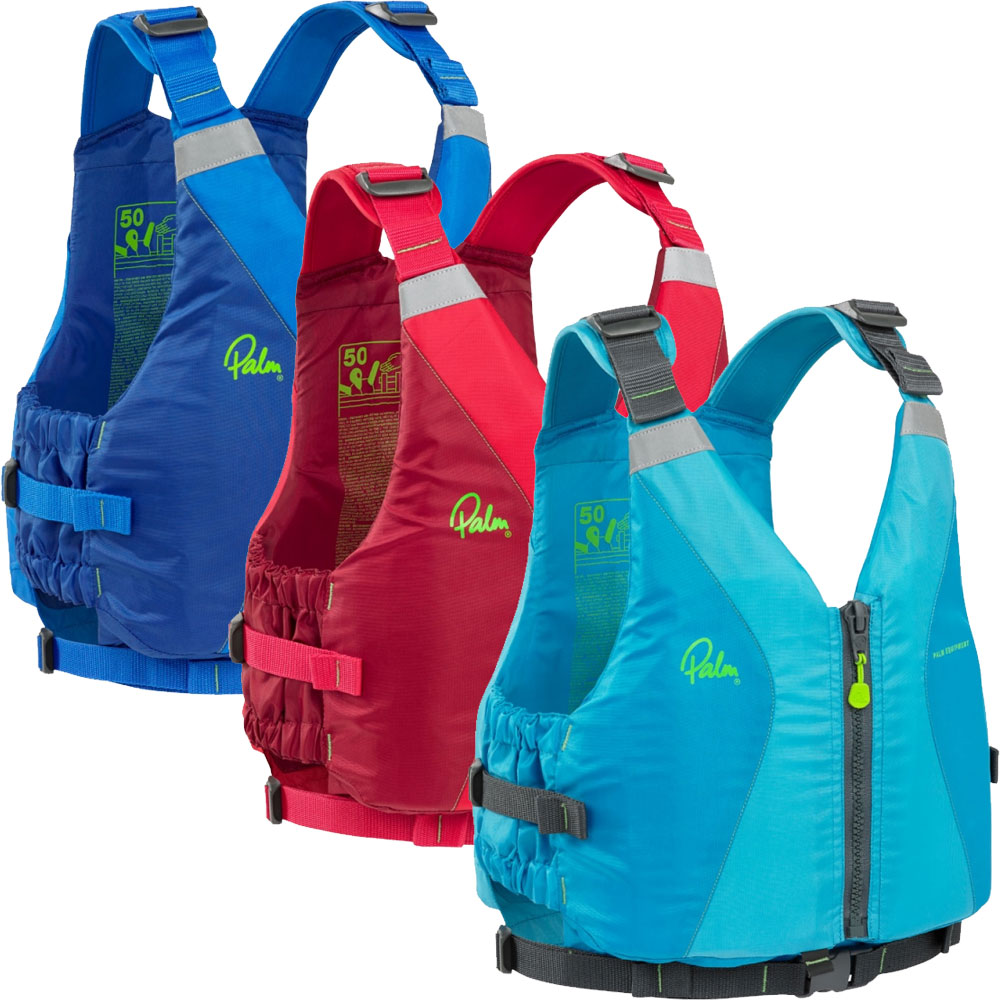
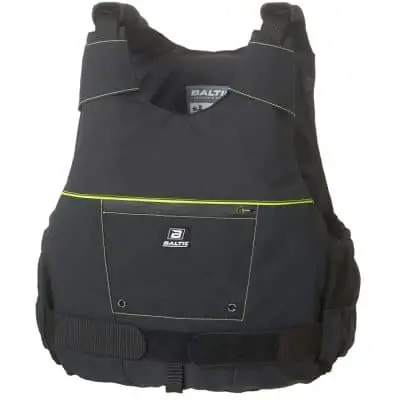
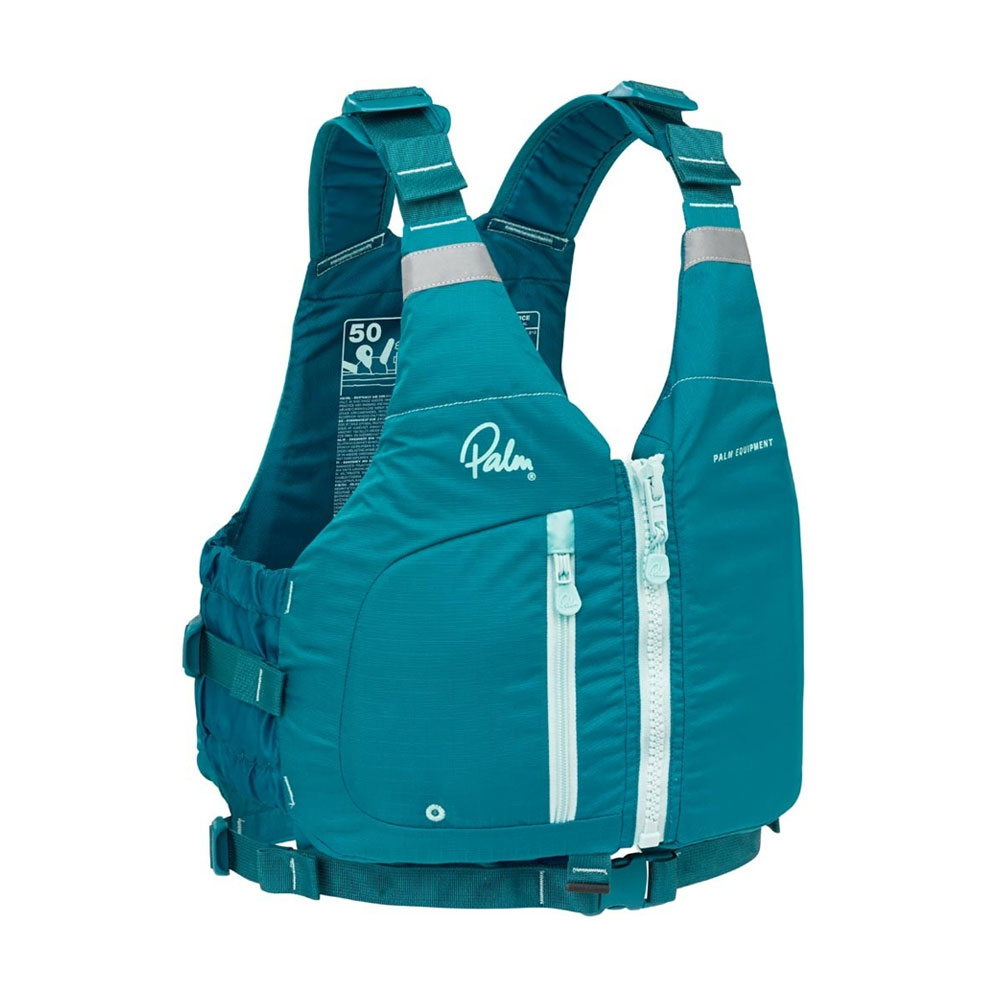
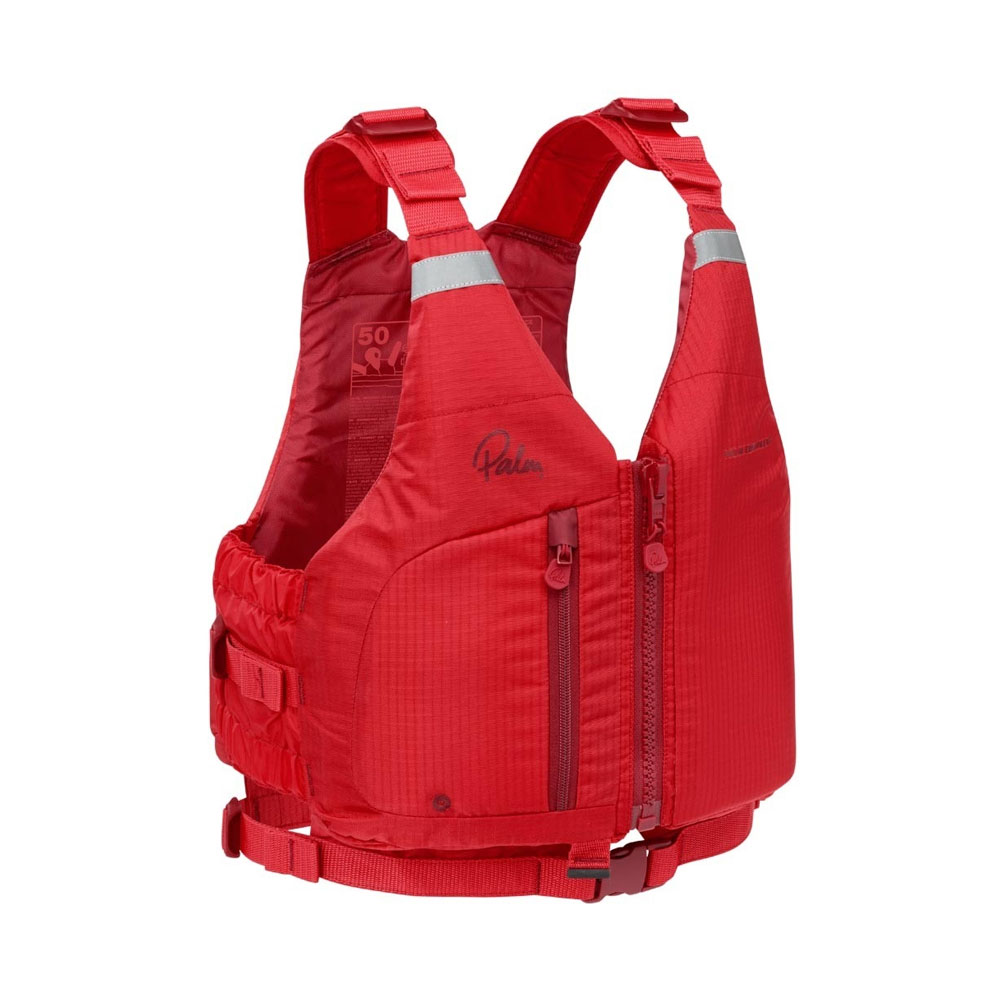
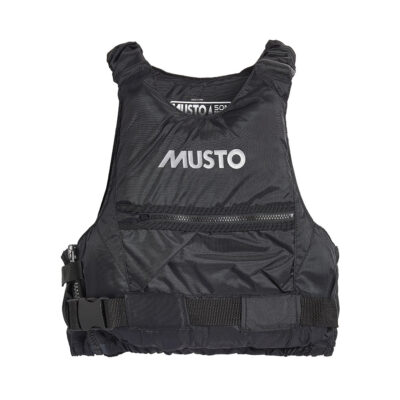
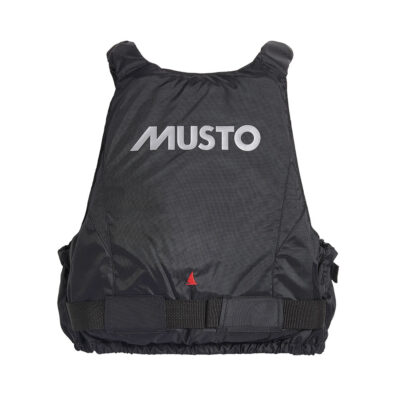
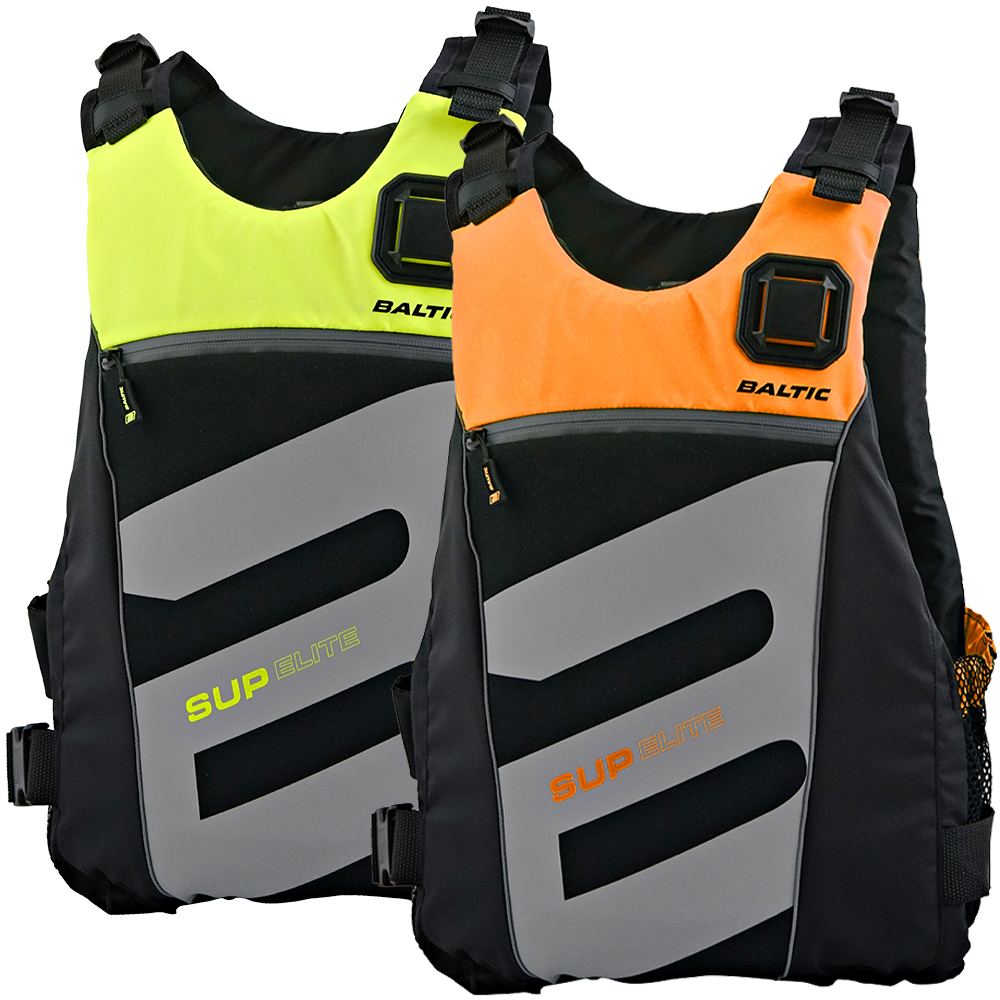
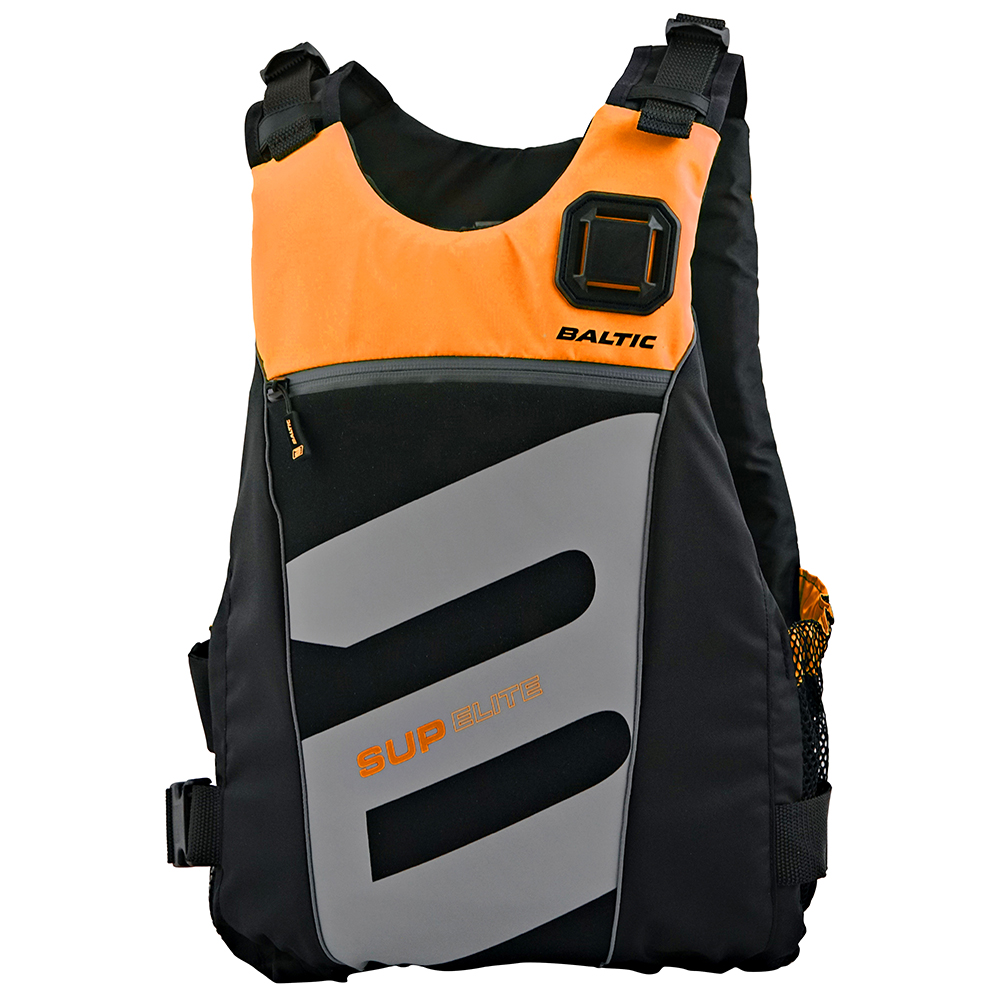
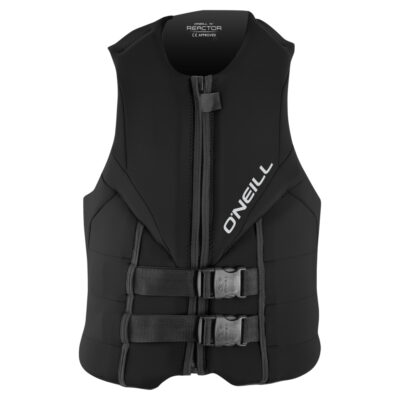
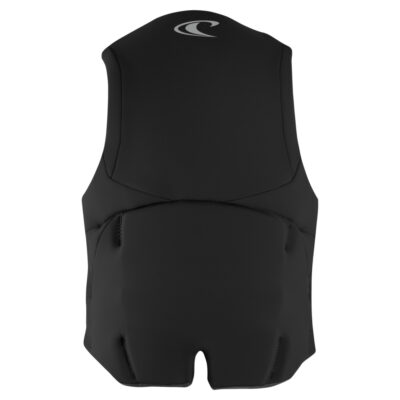
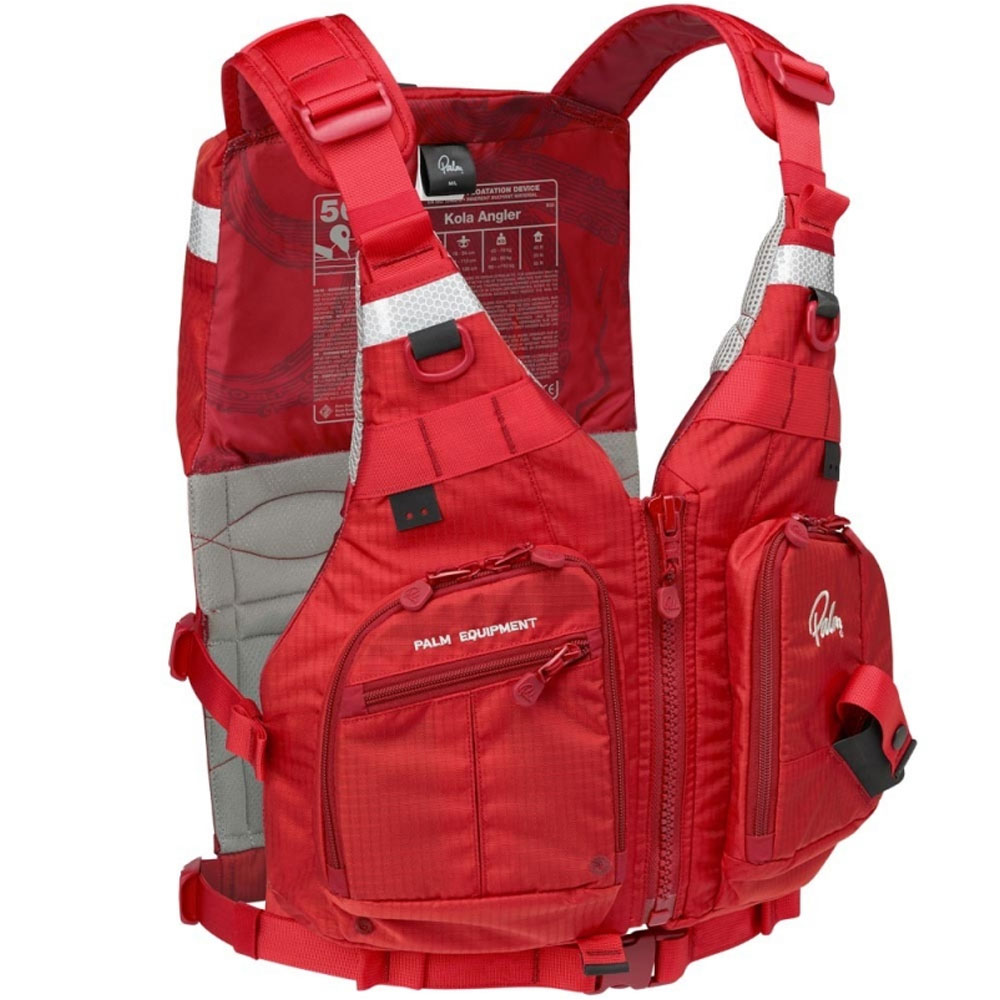
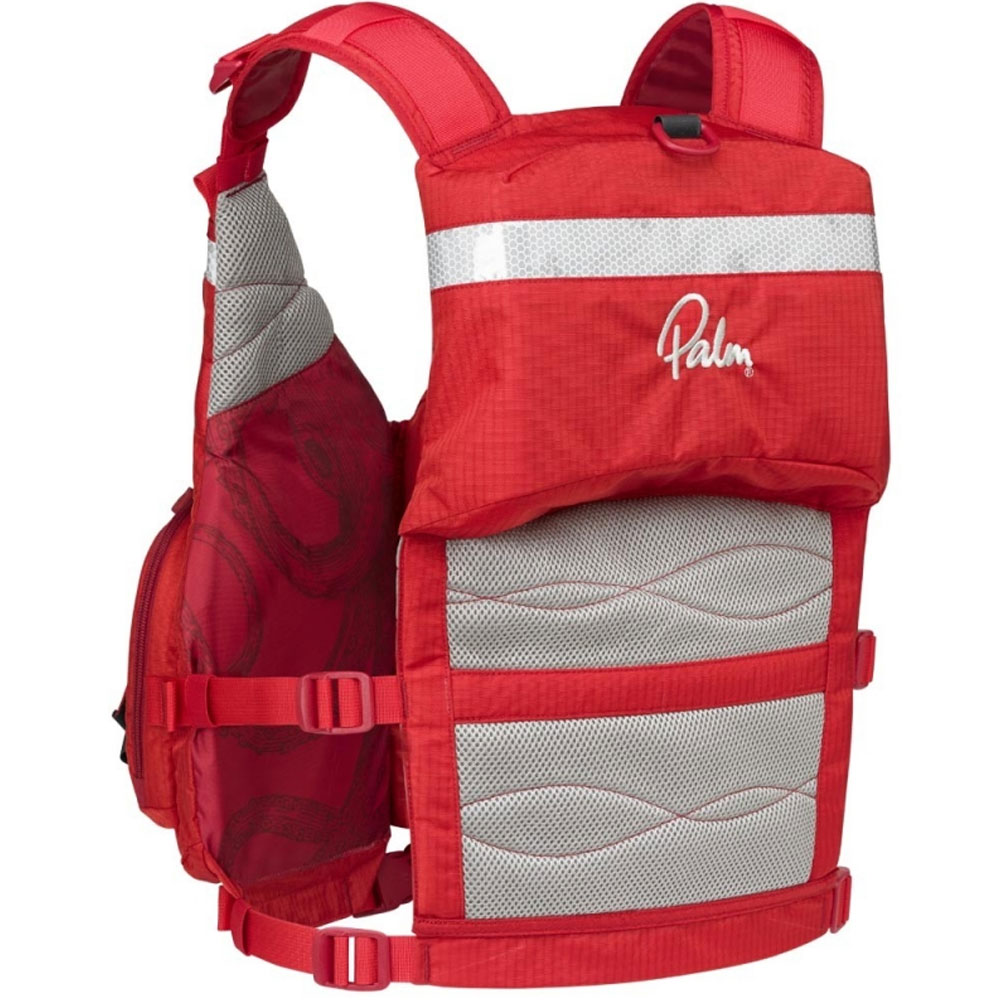
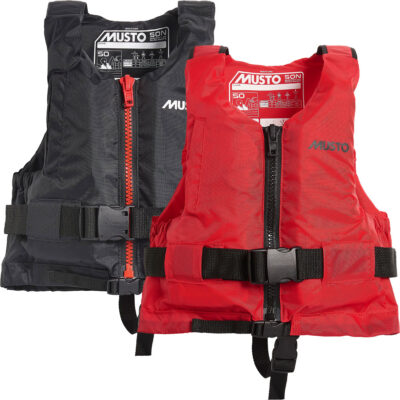
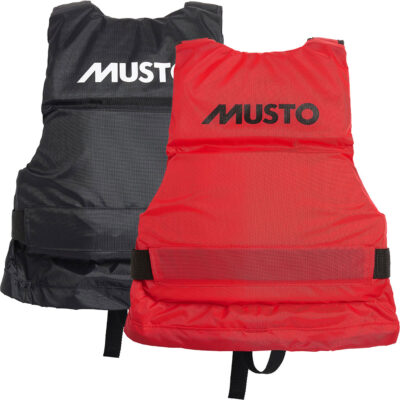
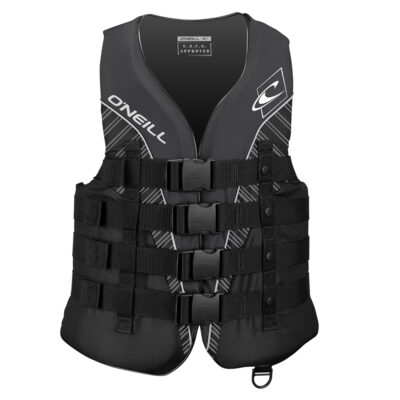
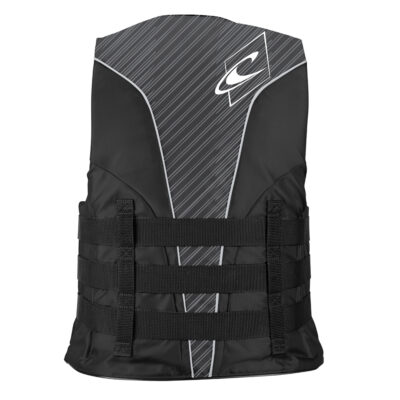
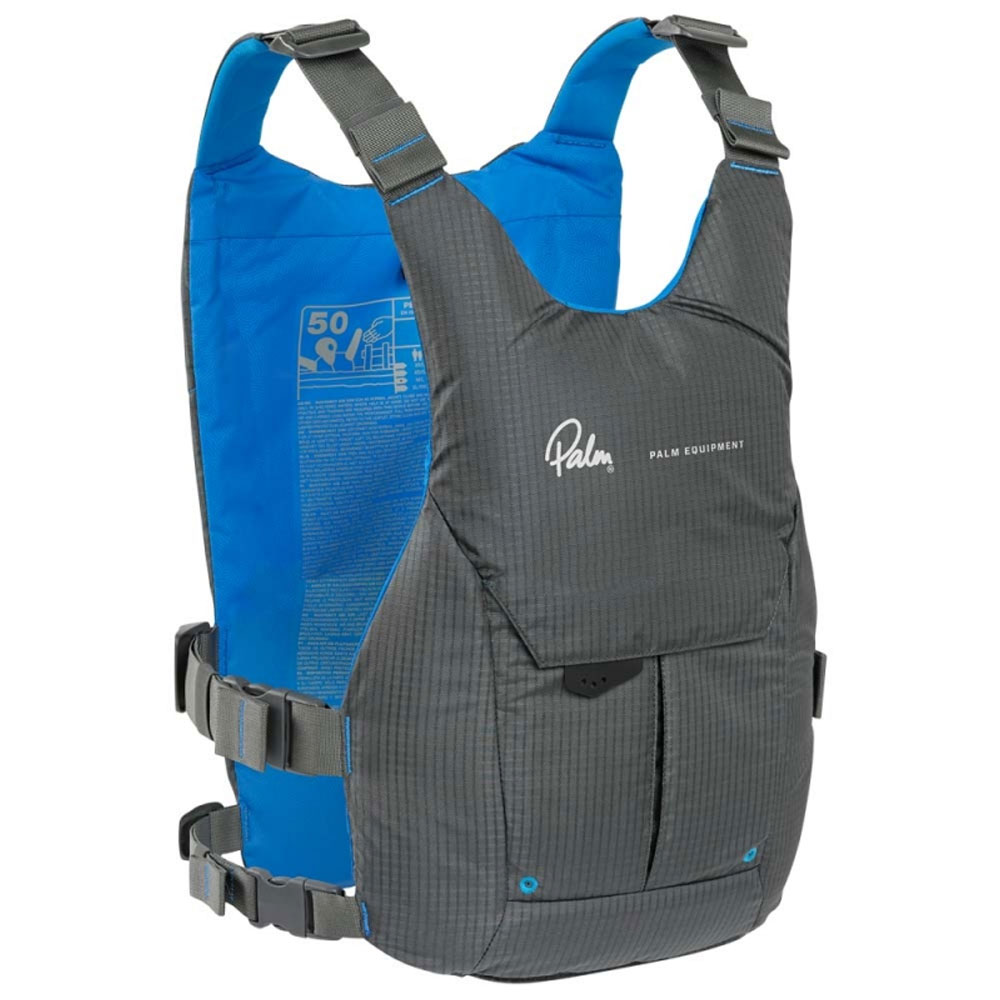
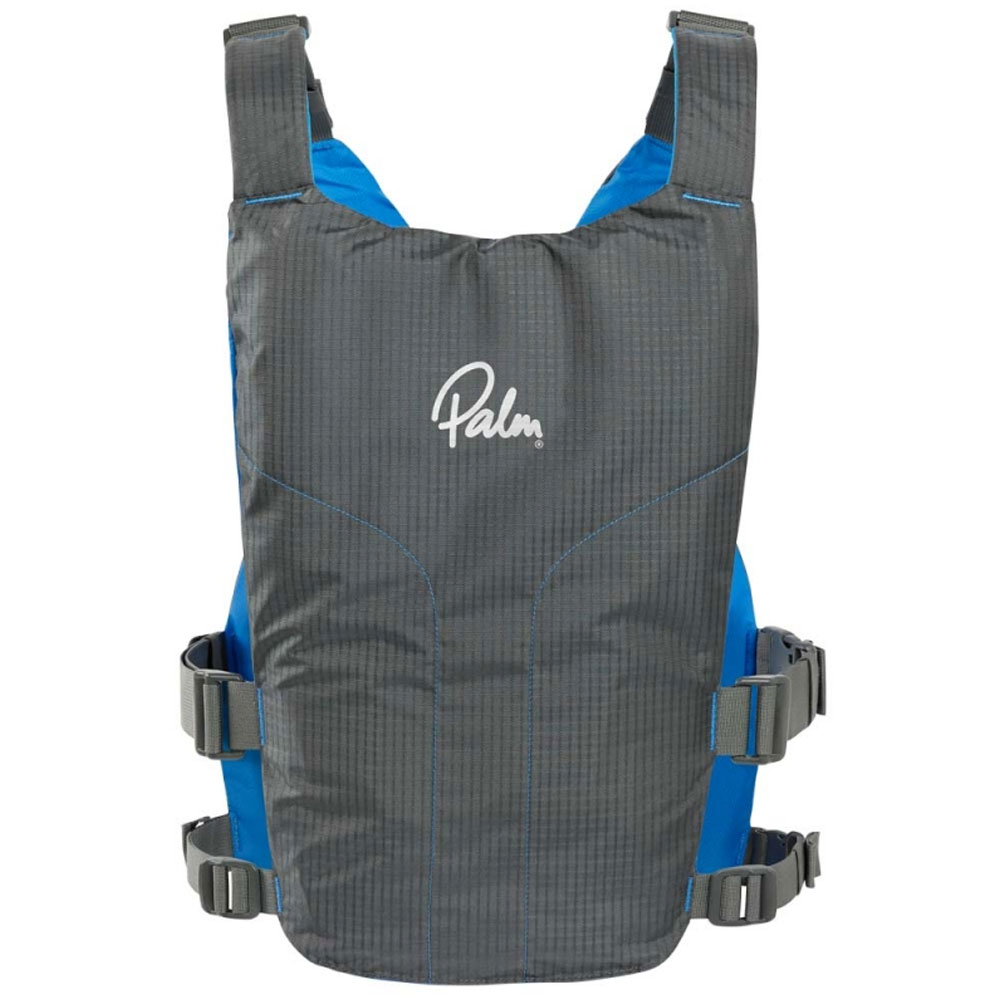
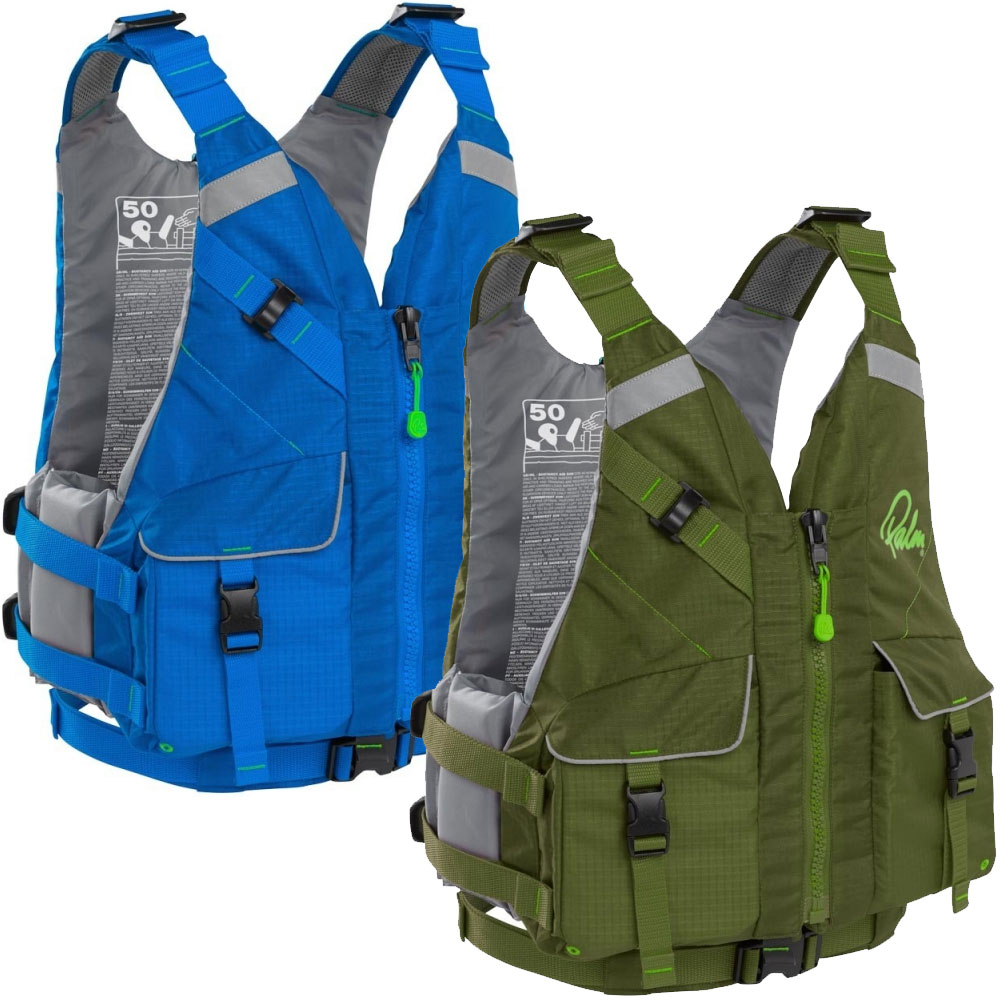
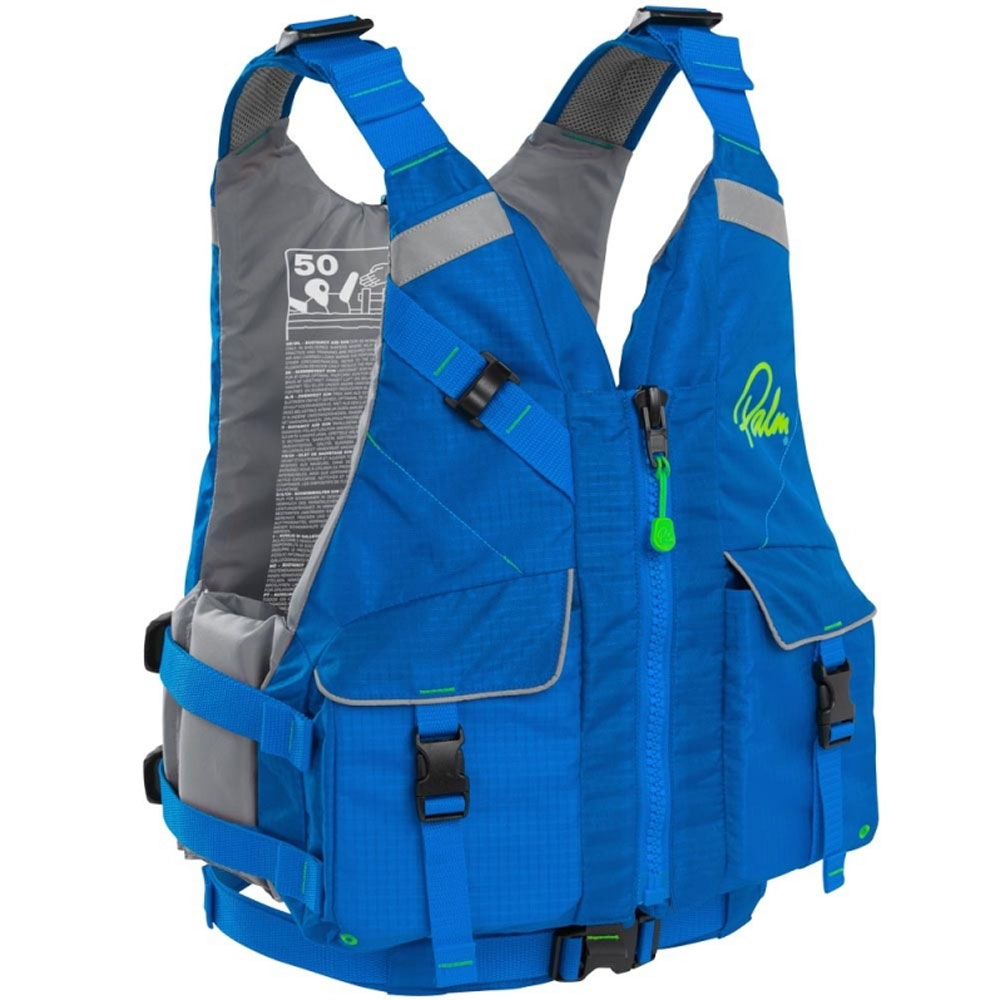
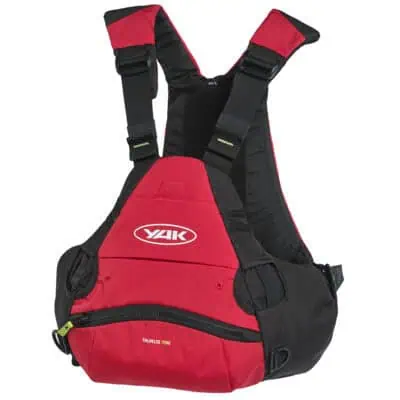
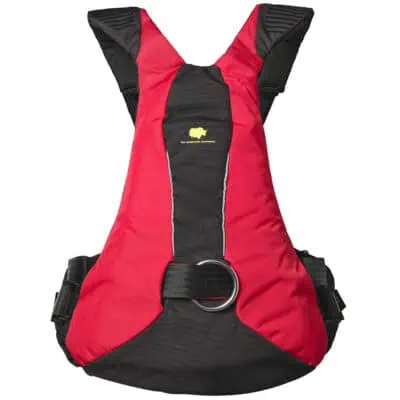
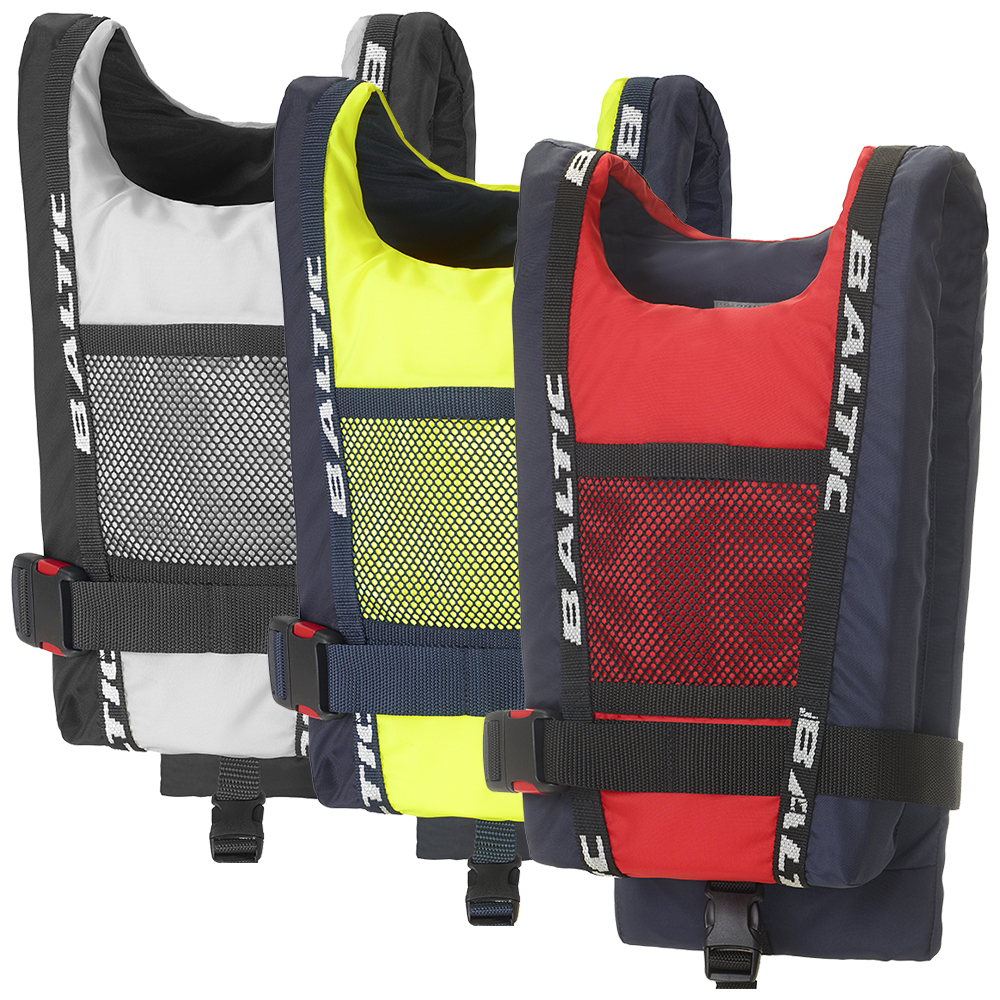
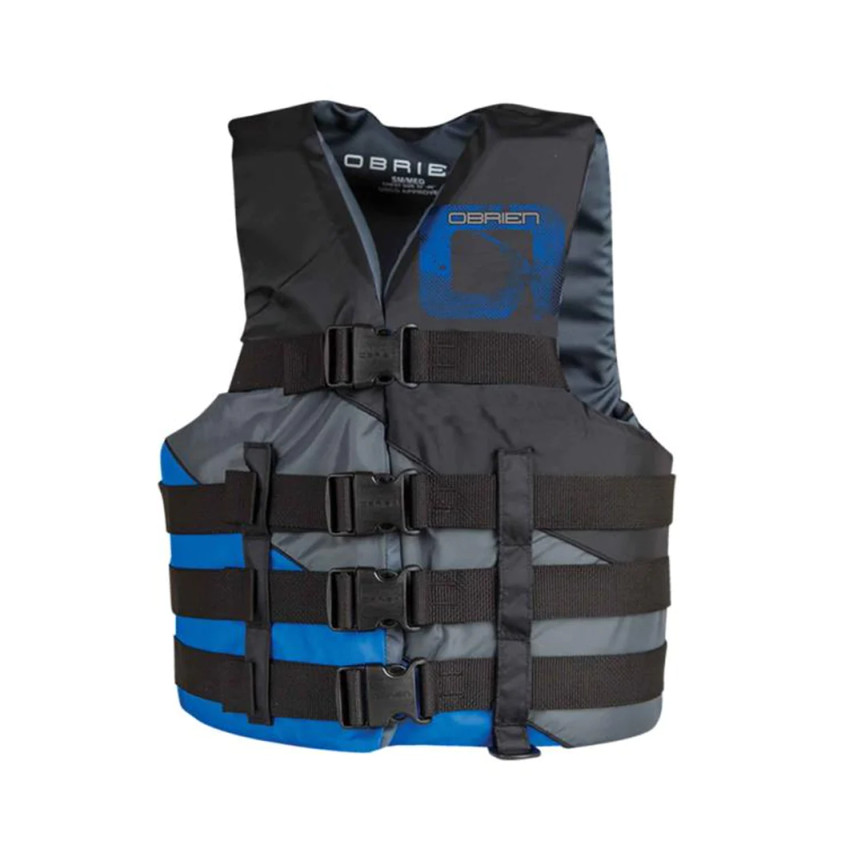
A personal floatation device (PFD) is a broad term used to describe any item designed to help keep a person afloat in the water, including buoyancy aids and lifejackets. A buoyancy aid is a specific type of personal floatation device that provides buoyancy while allowing a high degree of freedom of movement. Unlike some lifejackets, buoyancy aids are designed for conscious users and do not automatically turn an unconscious wearer onto their back. When choosing a personal floatation device, it's important to select the type that best suits your activity and the conditions you'll be using it in.
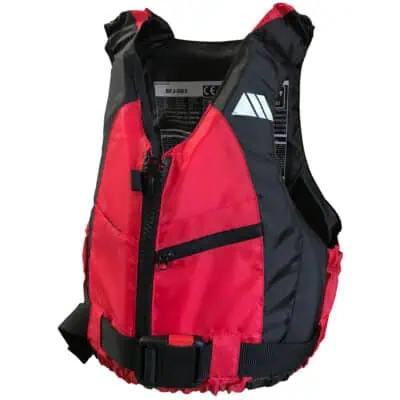
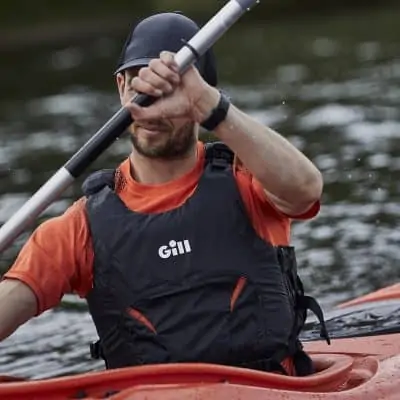
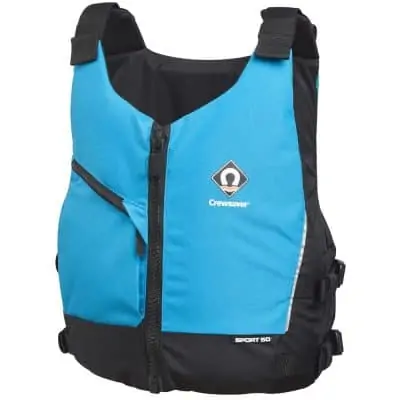
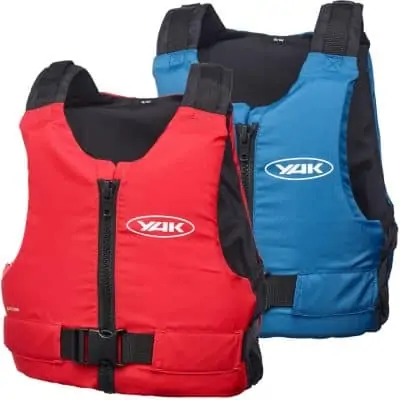
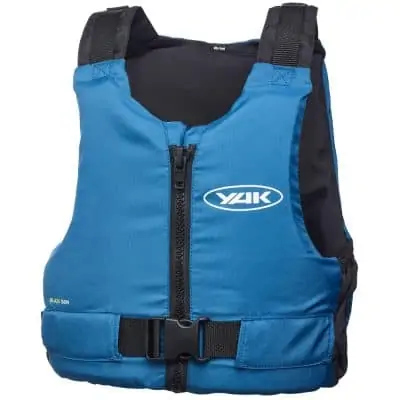
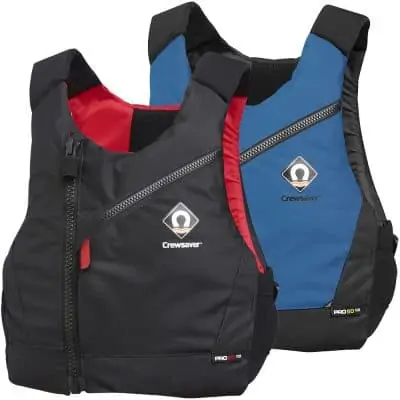
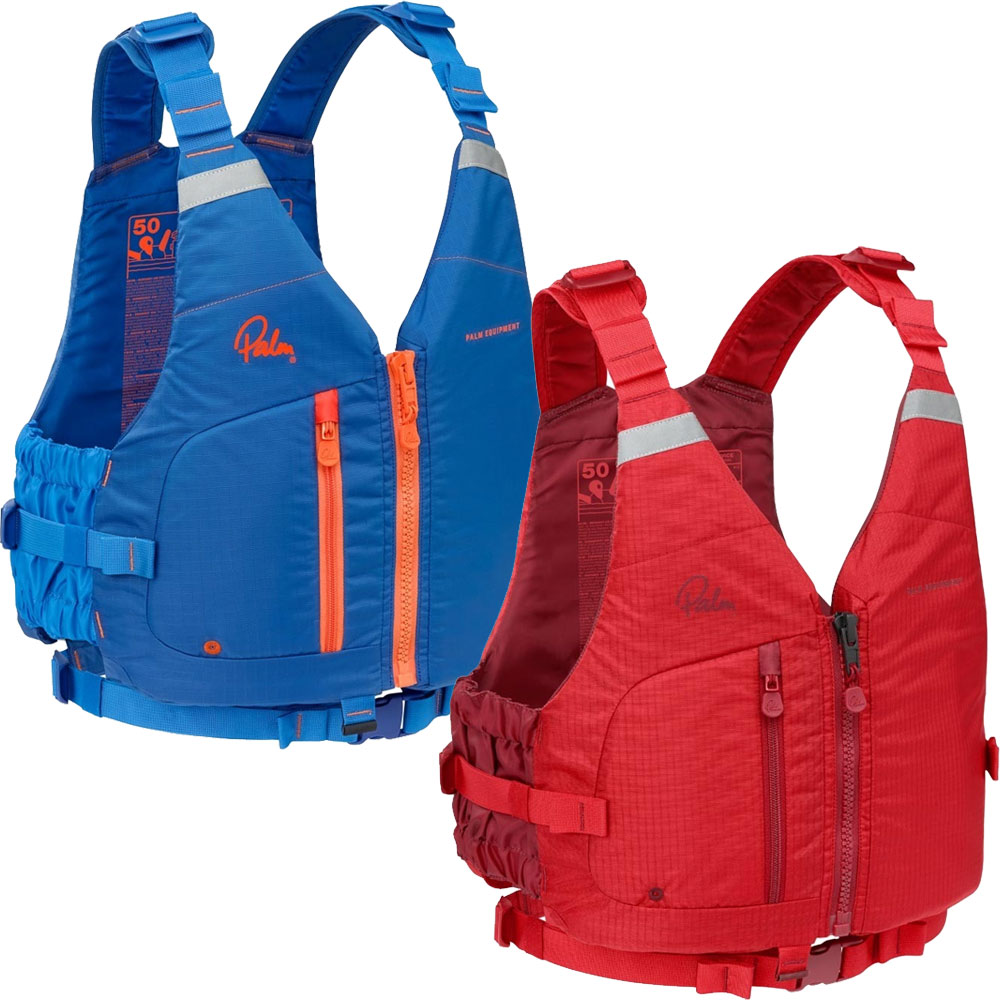
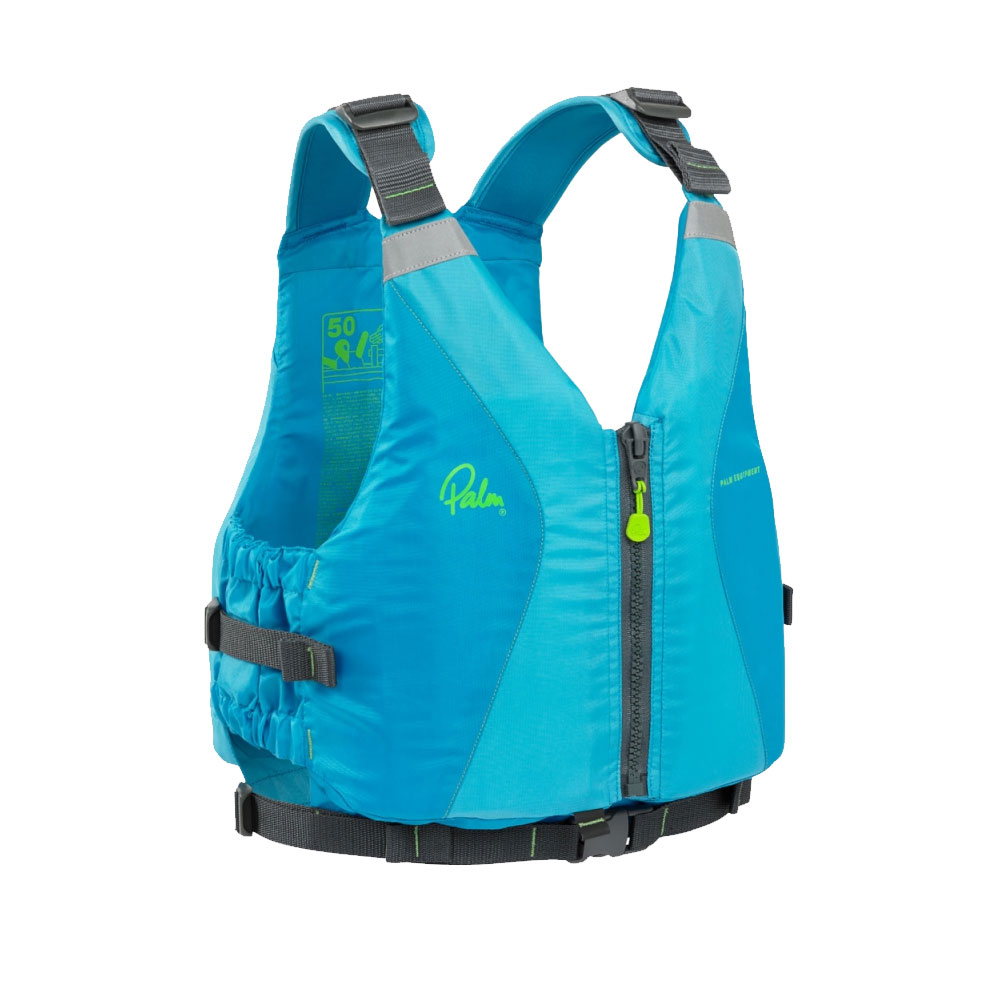
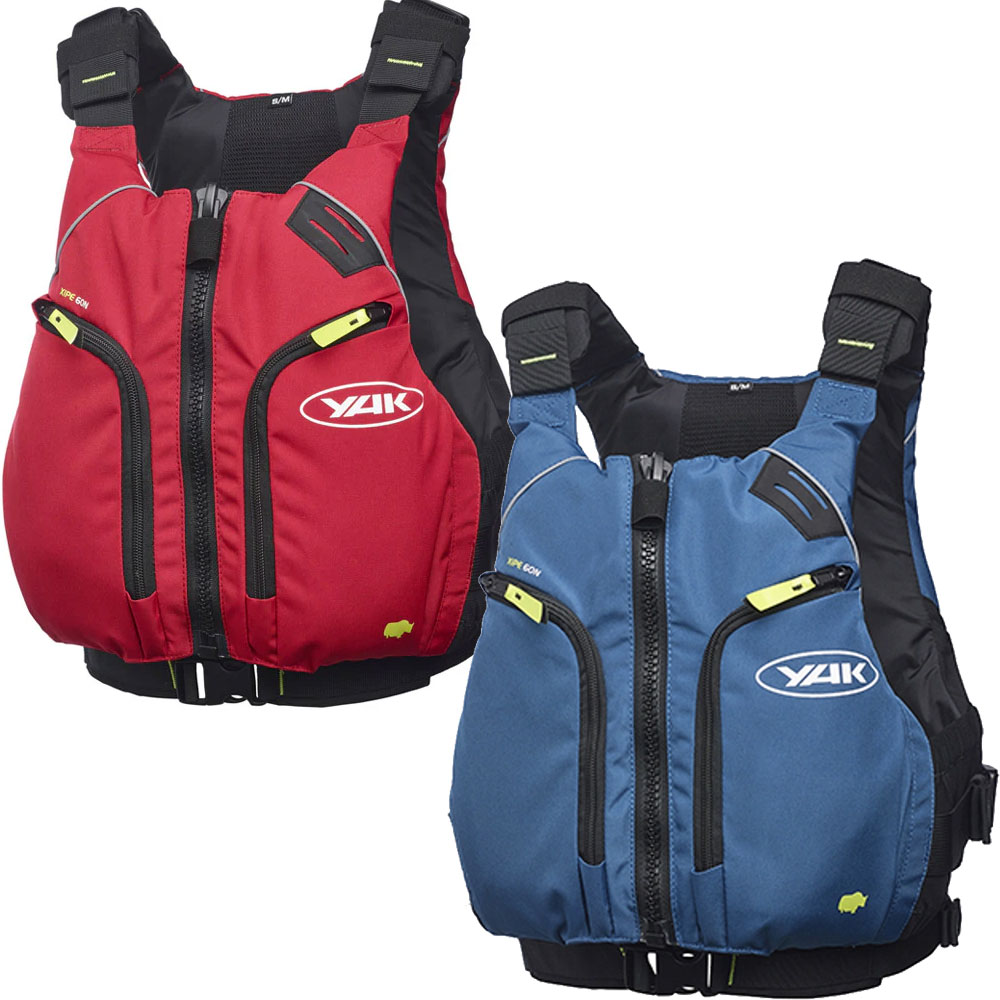
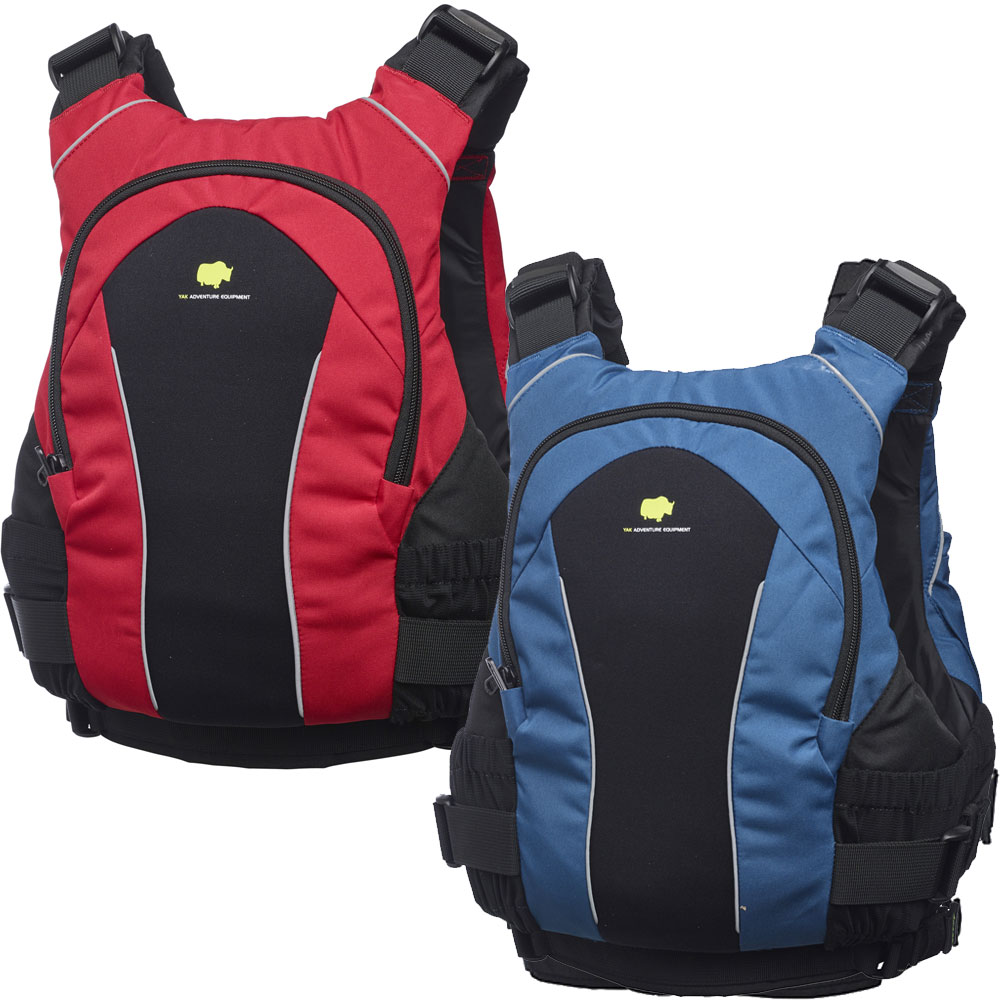
A personal floatation device (PFD) can be used for a wide range of watersports and recreational activities, including kayaking, canoeing, paddleboarding, sailing, fishing and boating. Different types of floatation devices are designed to suit different environments and levels of activity, but all are intended to provide additional buoyancy and improve safety on the water. For example, kayaking PFDs are cut high at the shoulders and arms to give better room for movement when paddling, and shorter in the body so they don't ride up when you're sat down. Always check that your chosen PFD is suitable for the activity you plan to undertake.
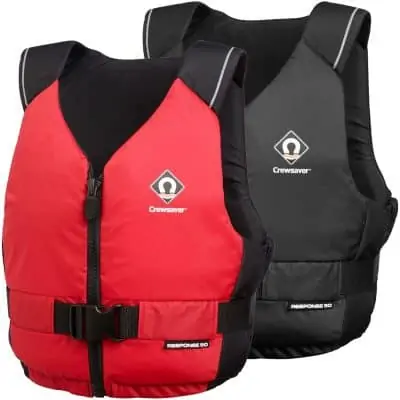
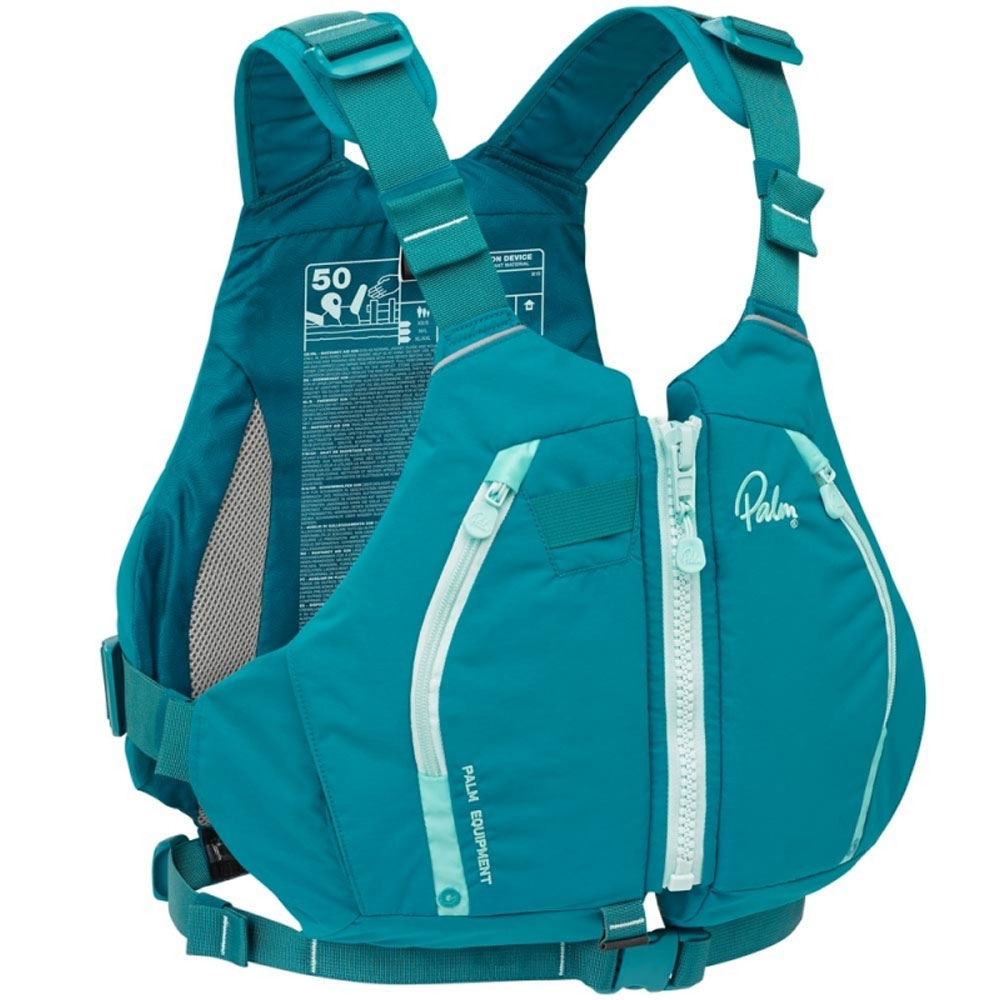
Modern personal floatation devices are designed with comfort in mind, using lightweight materials, ergonomic foam panels and adjustable features to allow unrestricted movement during watersports and boating activities. Many floatation devices are specifically engineered for active use, helping to reduce bulk while maintaining buoyancy. This makes them comfortable to wear for extended periods on the water, whether you're paddling, sailing or enjoying other watersports.
Palm is particularly known for attention to comfortability!
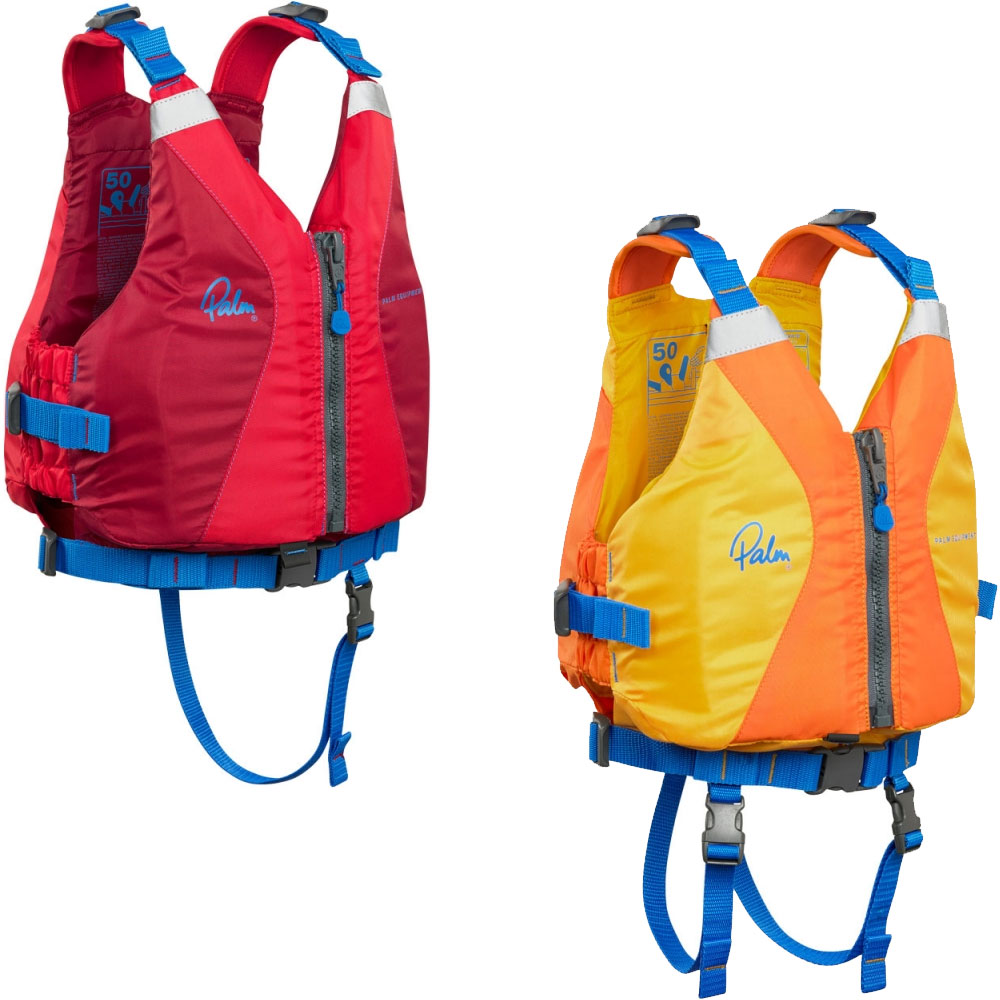
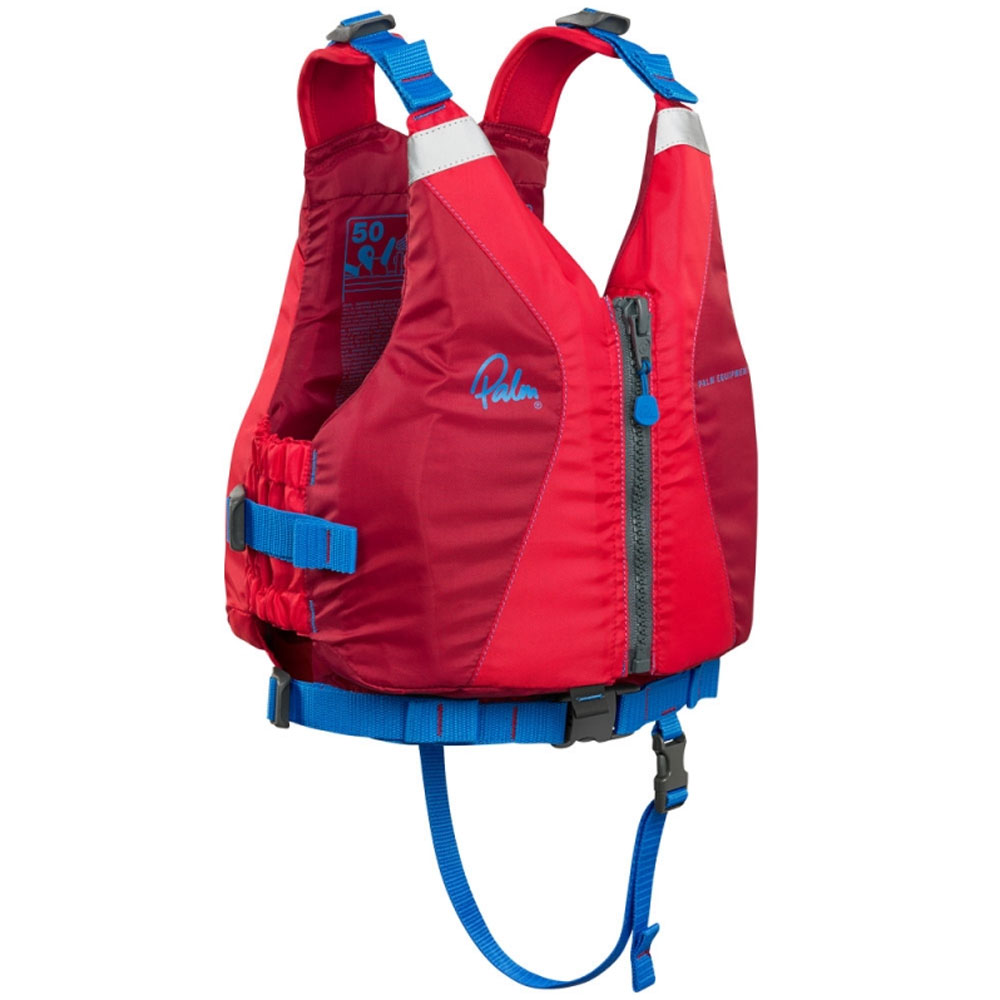
No – children should always wear a PFD sized and rated specifically for them, based on their weight rather than their age. An adult aid won't hold a child in the right position in the water, and the fit will be too loose to be reliable.
Children's buoyancy aids are cut to keep a smaller body more upright in the water, and many include a crotch strap to prevent the aid from riding up or coming off. For younger or less confident swimmers, a higher-rated children's life jacket may actually be the more appropriate choice, particularly for boating trips or open water.
Your PFD is your primary piece of safety kit, but it works best as part of a wider setup. Depending on your activity and conditions, consider pairing it with a wetsuit or watersports drysuit for thermal protection – cold water incapacitation is a serious risk in UK waters even in summer – and a personal locator beacon or waterproof VHF radio if you're heading somewhere remote or offshore. A kayak helmet is worth considering for whitewater or any activity where head impact is a risk.