


Women’s Wetsuits
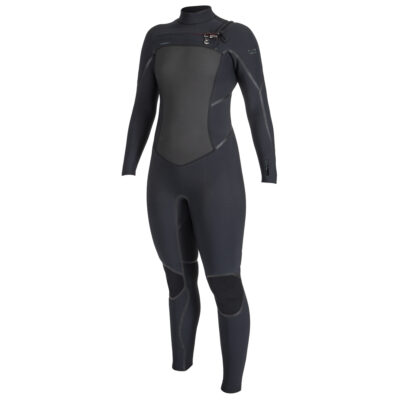
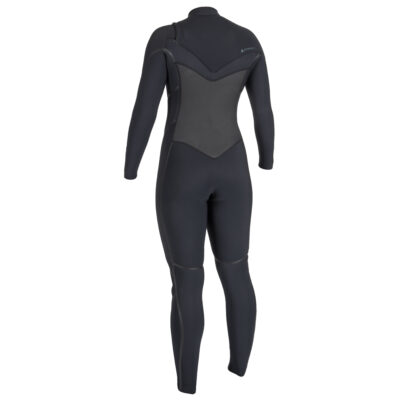
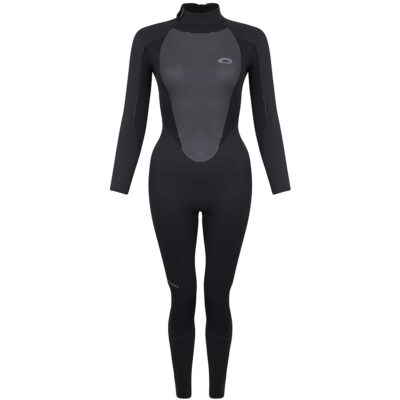
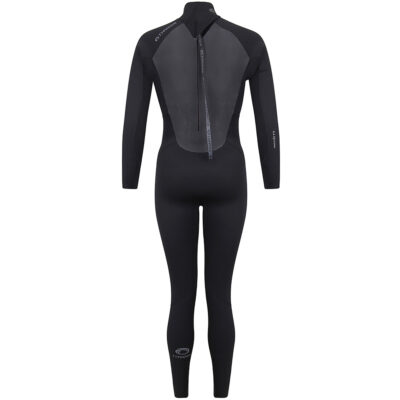
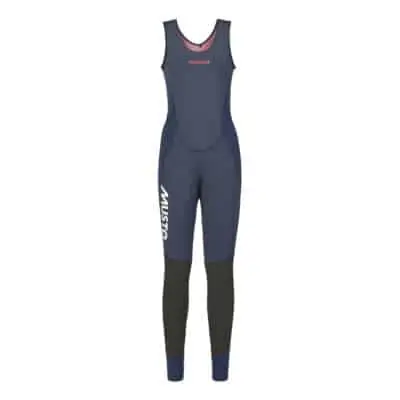
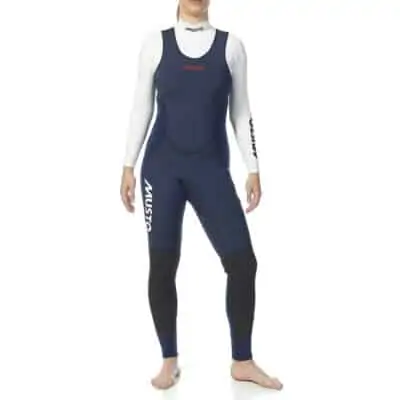
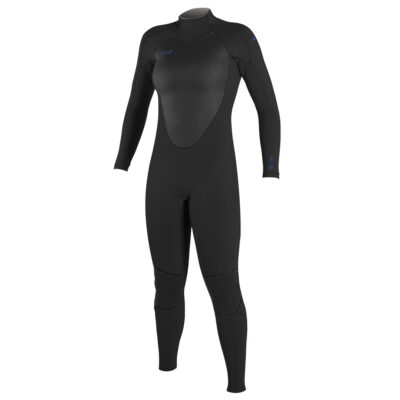
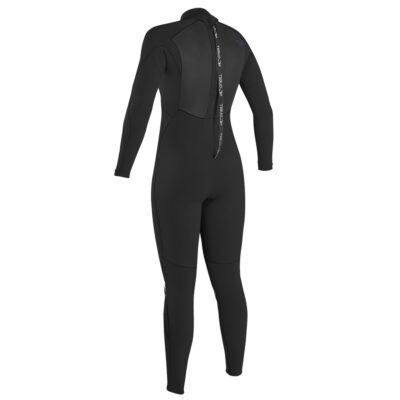
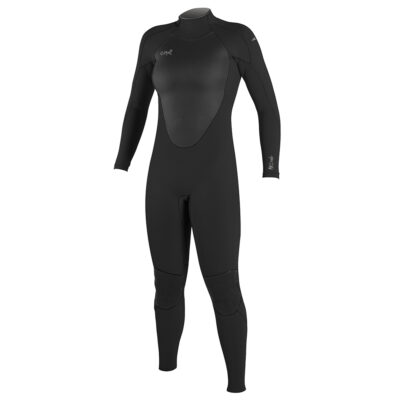
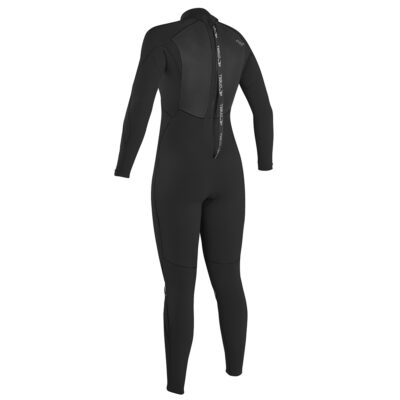
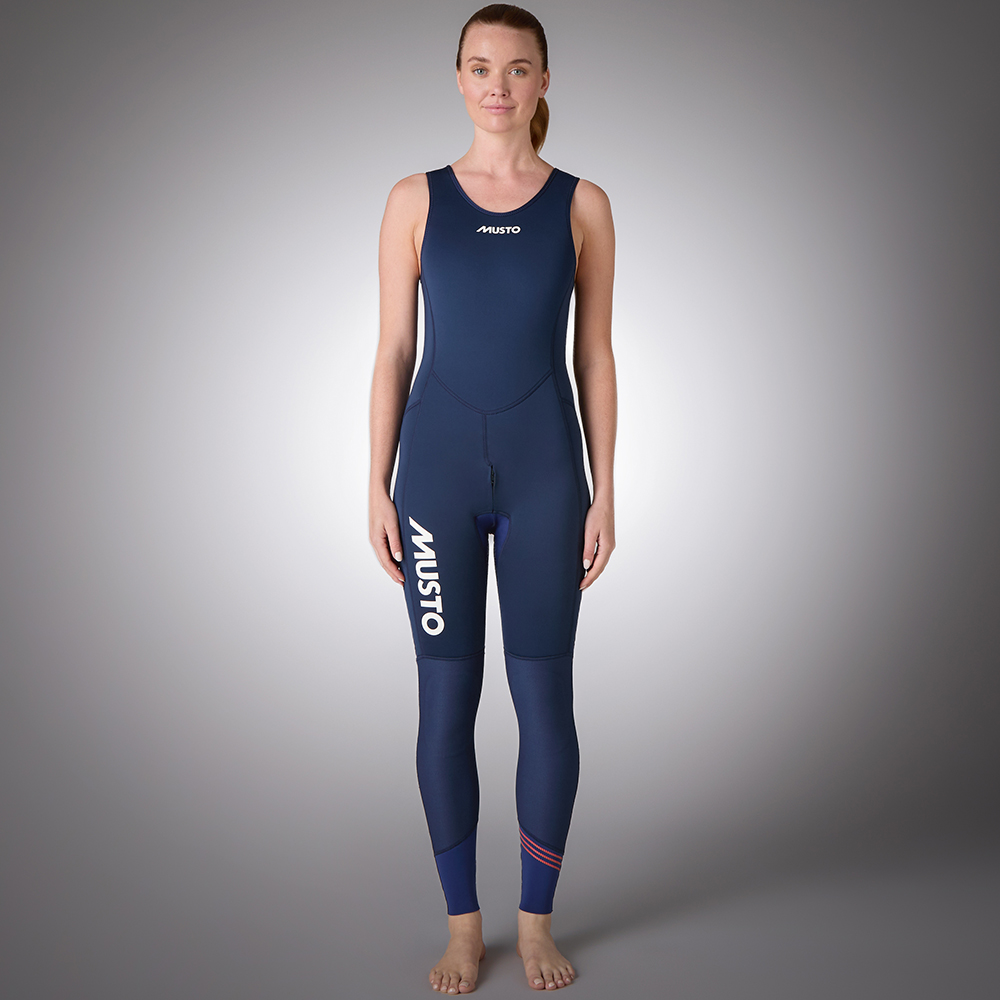
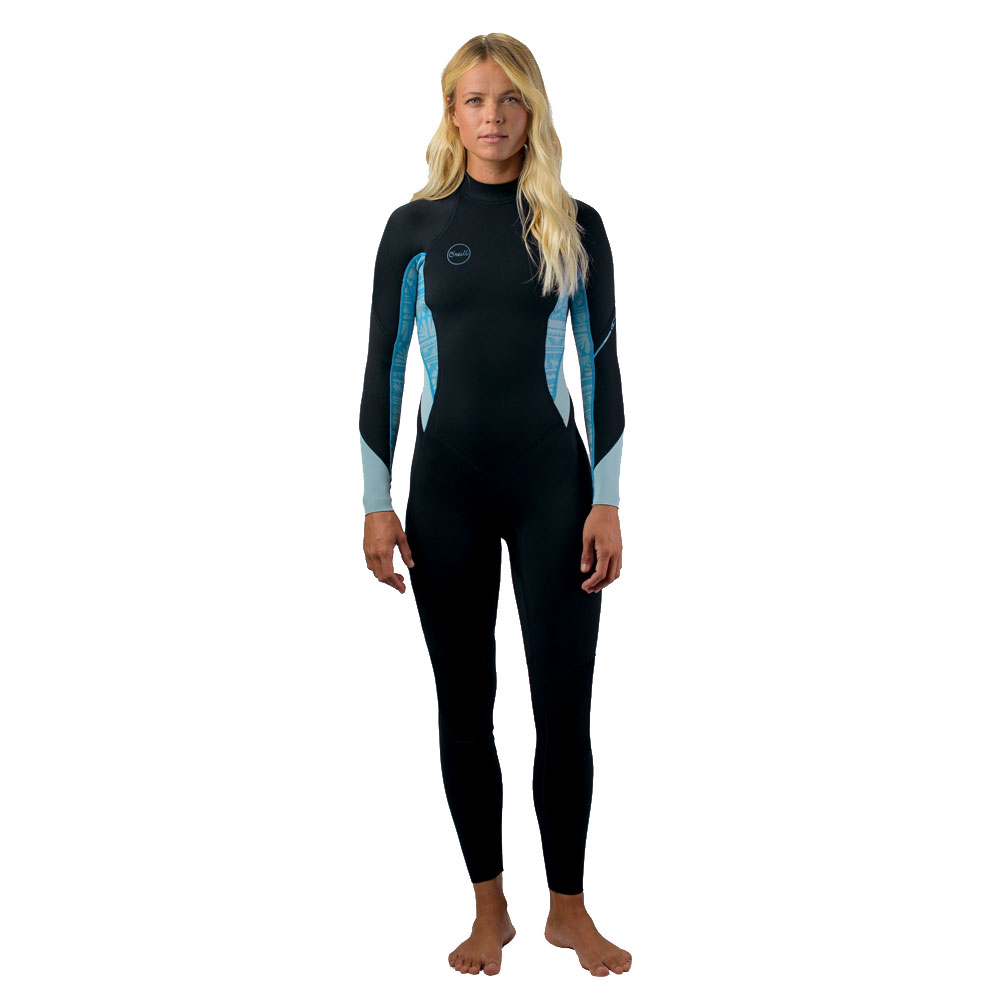
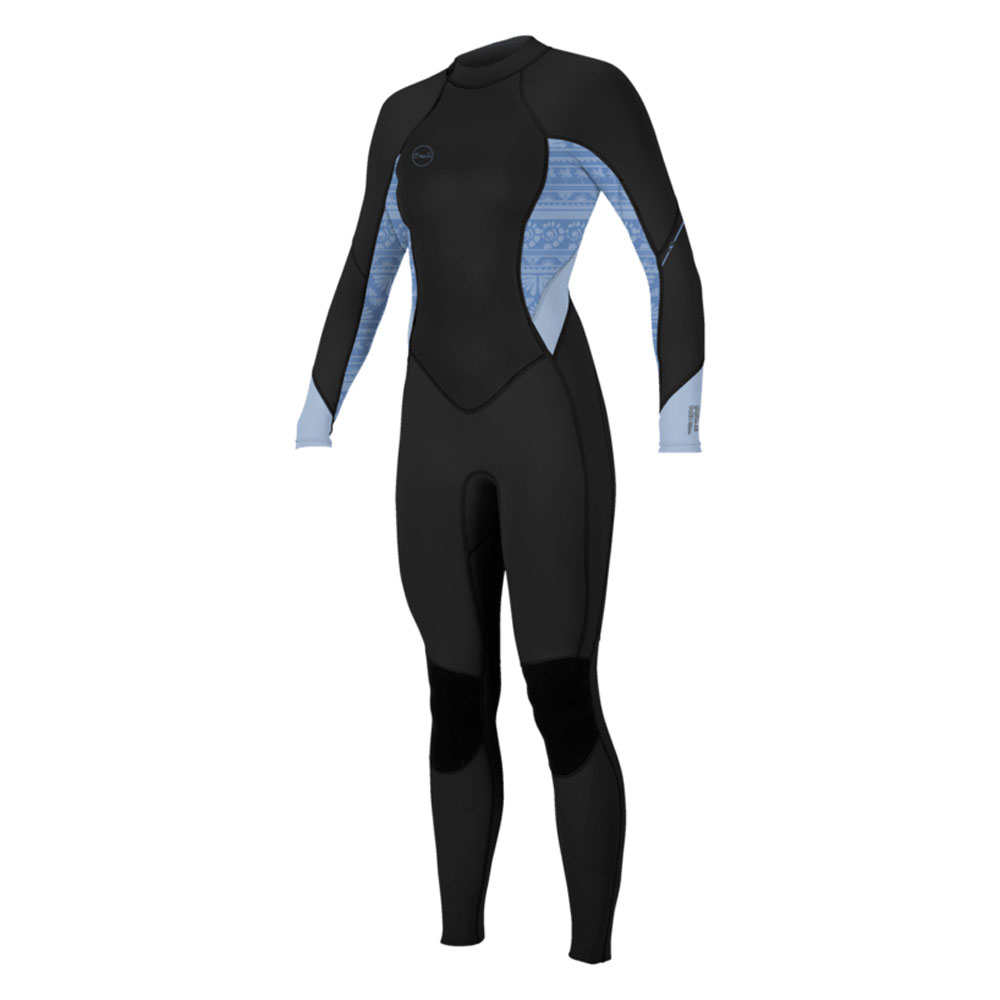
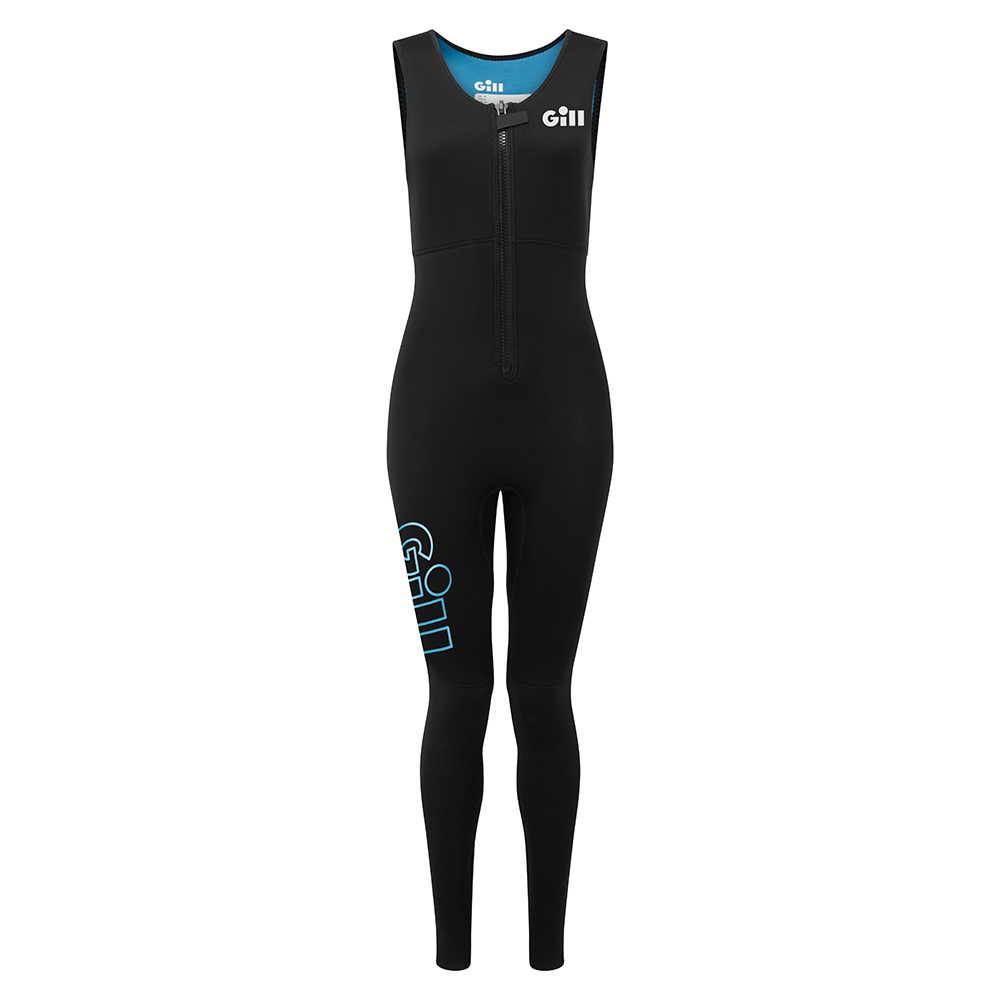
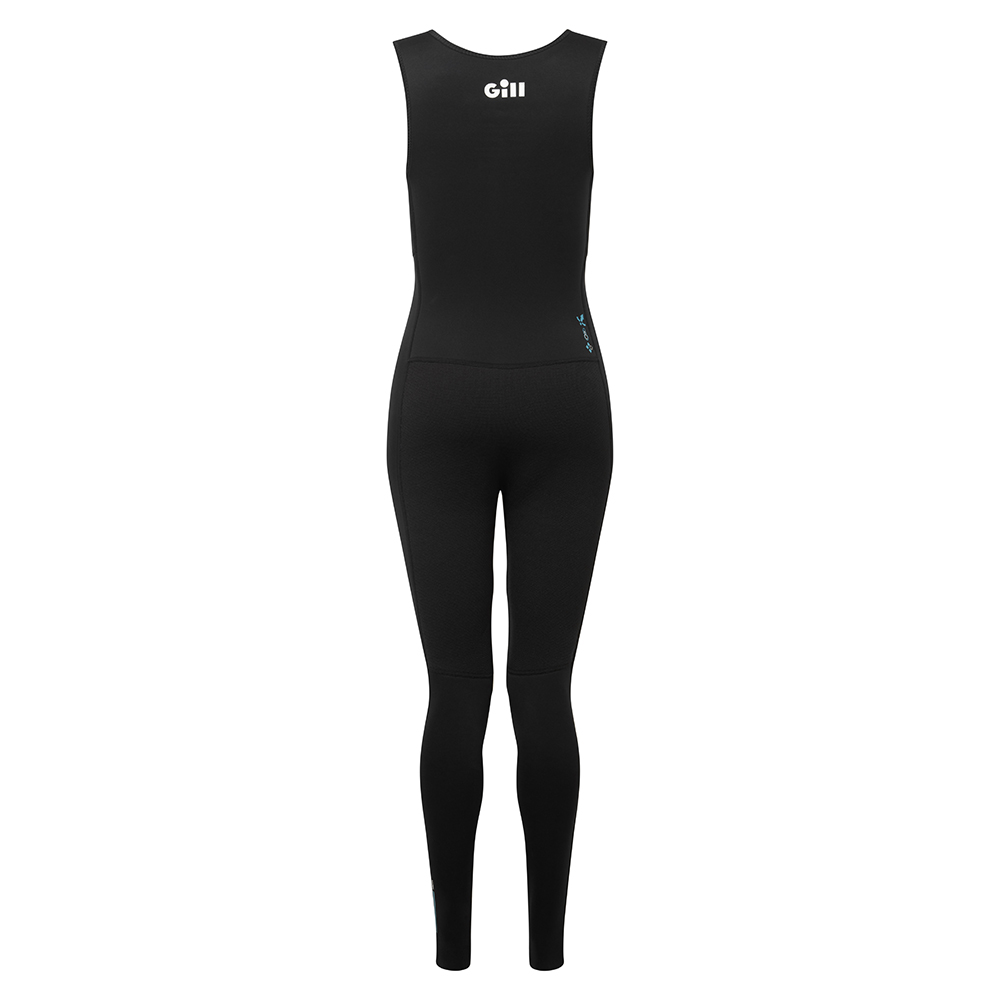
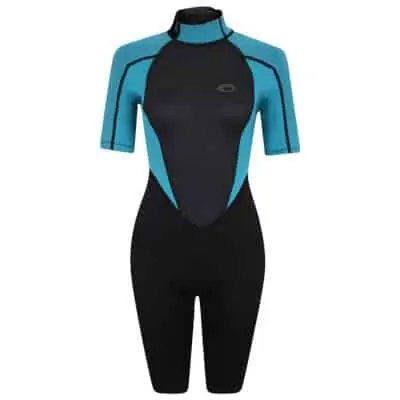
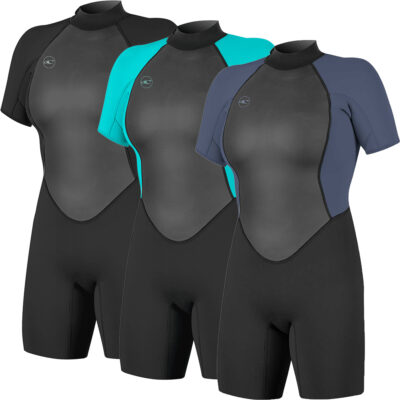
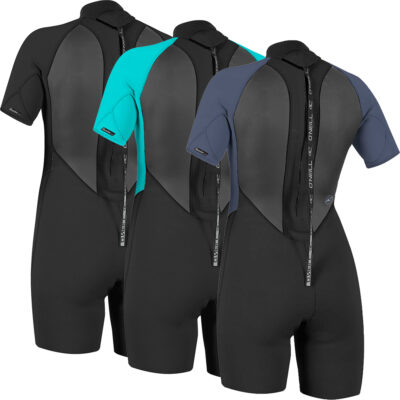
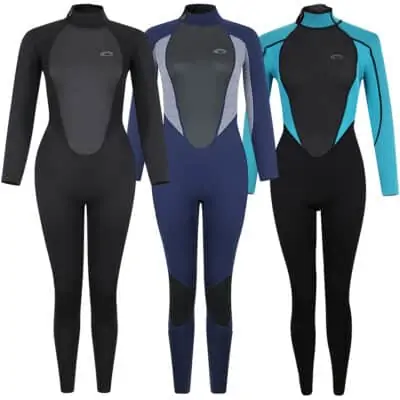
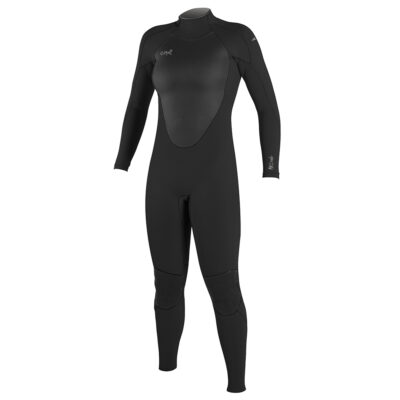
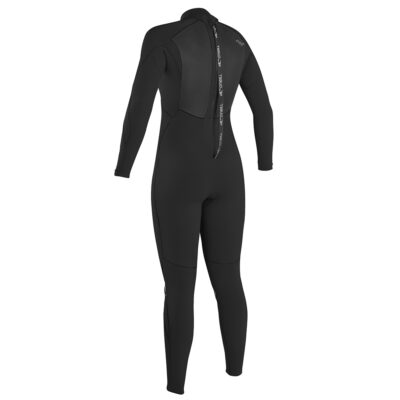
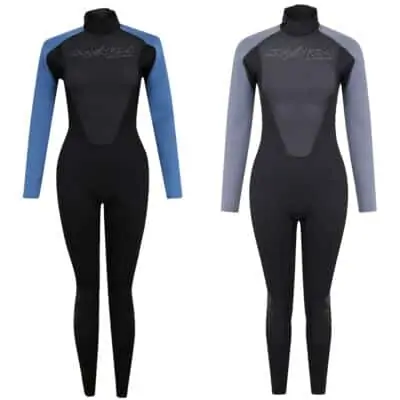
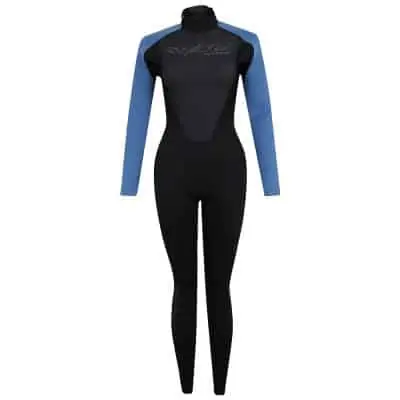
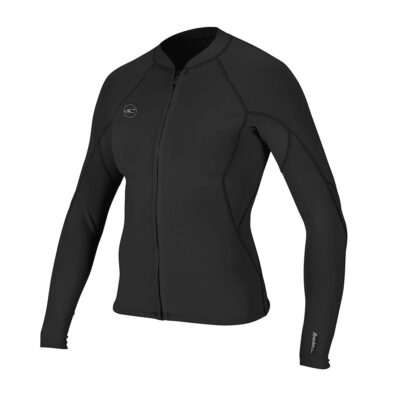
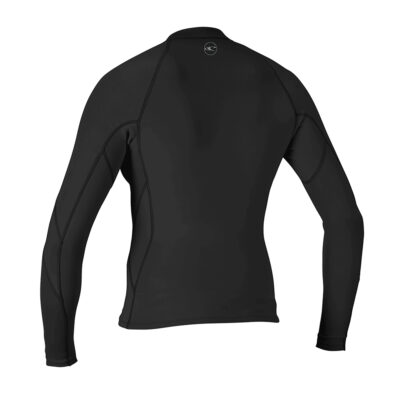
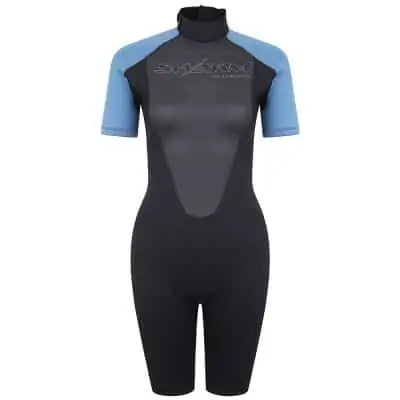
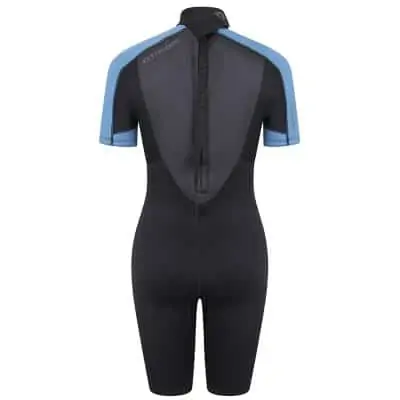
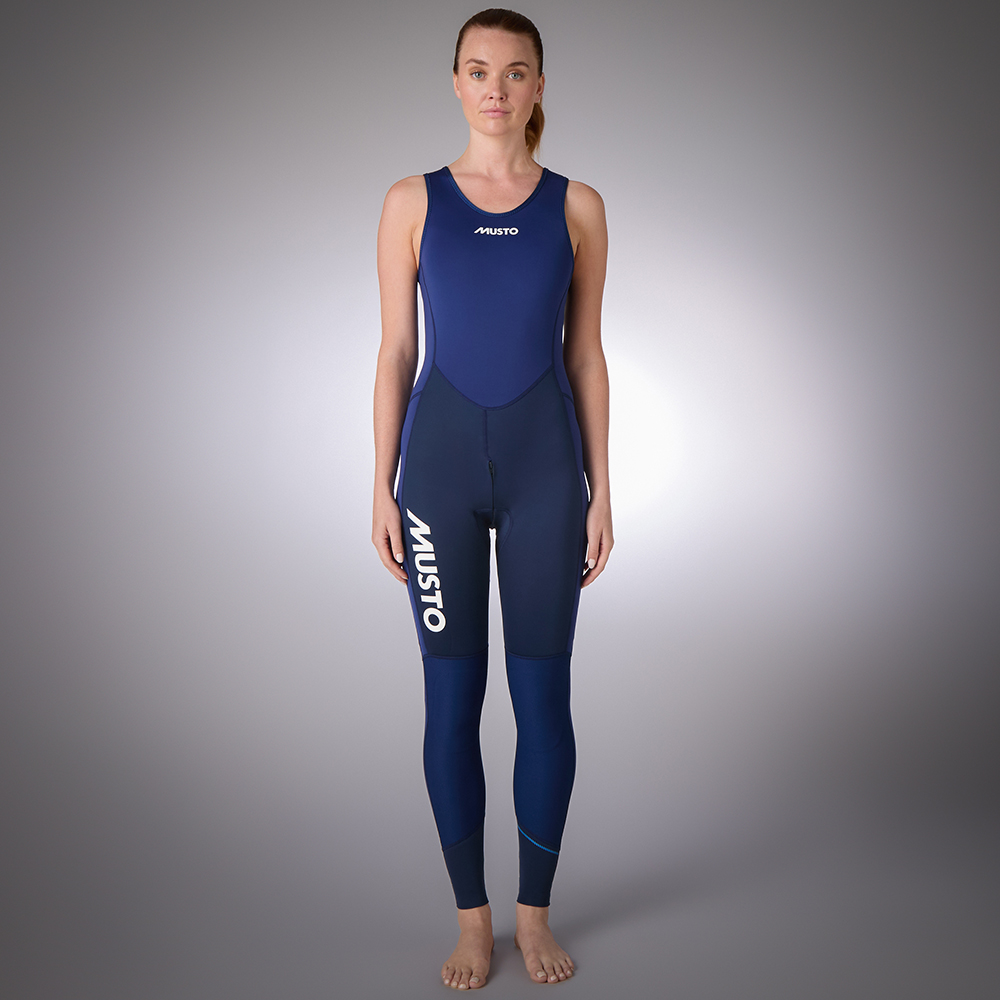
Watersports demand excellence! Our extensive lady wetsuit range delivers the performance and flexibility necessary to tackle the water. Warmth, comfort, and durability are guaranteed by industry leading brands, including O’Neill, Typhoon and Gill. Shop our range of women’s wetsuits today and find the right thickness and design for your needs.
Is the wetsuit enough? Our neoprene boots range will complete the look and enhance your experience.
OFF

OFF

OFF

OFF


OFF

OFF
OFF
OFF
OFF
OFF
OFF
OFF
All of your wetsuit FAQ's answered:
In simple terms, wetsuits work as a second skin to keep you warm. They trap a thin layer of water between your skin and the neoprene, which is then heated by your body heat. If the wetsuit doesn't fit properly, the heated water will flush out and allow cold water in. There are lot's of factors within the technology of your wetsuit which affect how well the suit retains heat, flexibility as well as durability.
Neoprene
The thicker the neoprene the more effective it will act as an insulator. Neoprene works by containing lot's of small air bubbles that provide insulation for the body.
Over time, neoprene has continued to develop in quality, and brands such as Mystic and O'Neill are pioneering producing neoprene at high quality whilst also being sustainable.
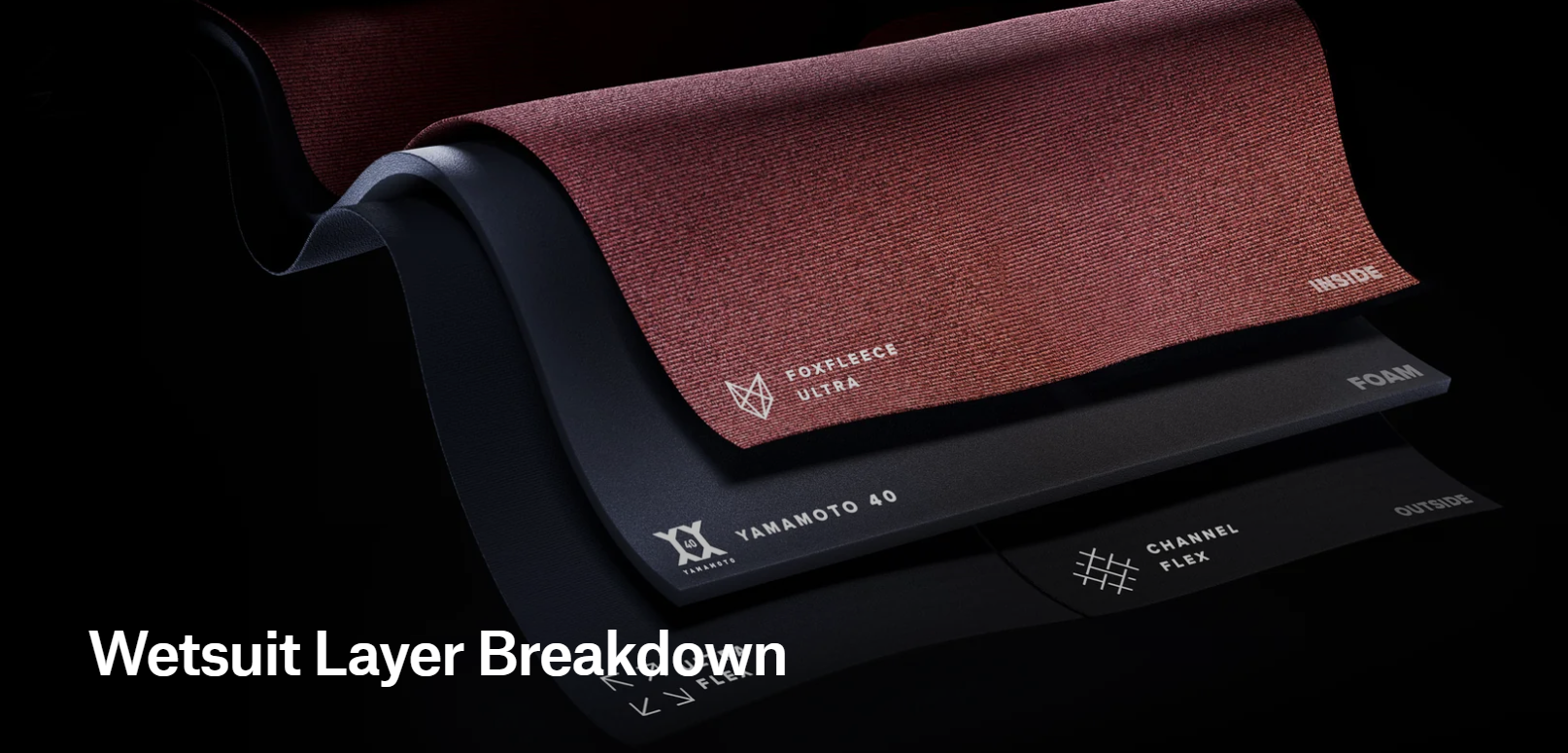
Mystic has moved away from traditional petroleum - based neoprene and shifted to Japanese Yamamoto limestone neoprene. This is lighter, softer, more durable, and offers superior thermal properties. High quality neoprene also allows for better "rebound technology", meaning the suit will maintain the structure to help to feel your best on the water.
Seam Technology
Flatlock Stitched Seams: Neoprene is overlapped and then stitched through, creating a flat seam. The finish is both durable and comfortable but can only be used on neoprene with a thickness of 3mm or less. Due to its stitching penetrating all the way through the neoprene, water can bleed into the suit.
Flat lock stitched seams are perfect for summer use - see our Summer Wetsuit range HERE.
Blind stitched Seams: This is where the neoprene is glued together, and then partially through. This results in a significant amount of water penetration. This is great for colder waters, where you are reliant on the water getting through to provide a thermal layer of insulation using your body heat. There is also more variety in terms of neoprene thickness.
Blind stitched seams can also be critically taped, where neoprene tape is used on the inside of the suit and placed over high stress areas for the seams (like the elbows, knees & shoulders).
If you are after something extra warm and durable, fully taped seams provide both. Take a look at our range of winter wetsuits, where you will find both variations HERE.
Wetsuits work as a second skin to keep you warm. Wetsuits trap a thin layer of water between your skin and the neoprene which is heated by your body heat - if the wetsuit doesn't fit properly, the heated water will flush out and allow cold water in.
Power Seams / Stitch-less Seams: These seams are glued together and then sealed by liquid neoprene. Tape is then added to the inside of the seam to reduce any excessive water penetration. This method avoids any stitching, giving you the warmest, driest, and most flexible wetsuit on the market.
Thermal Linings:
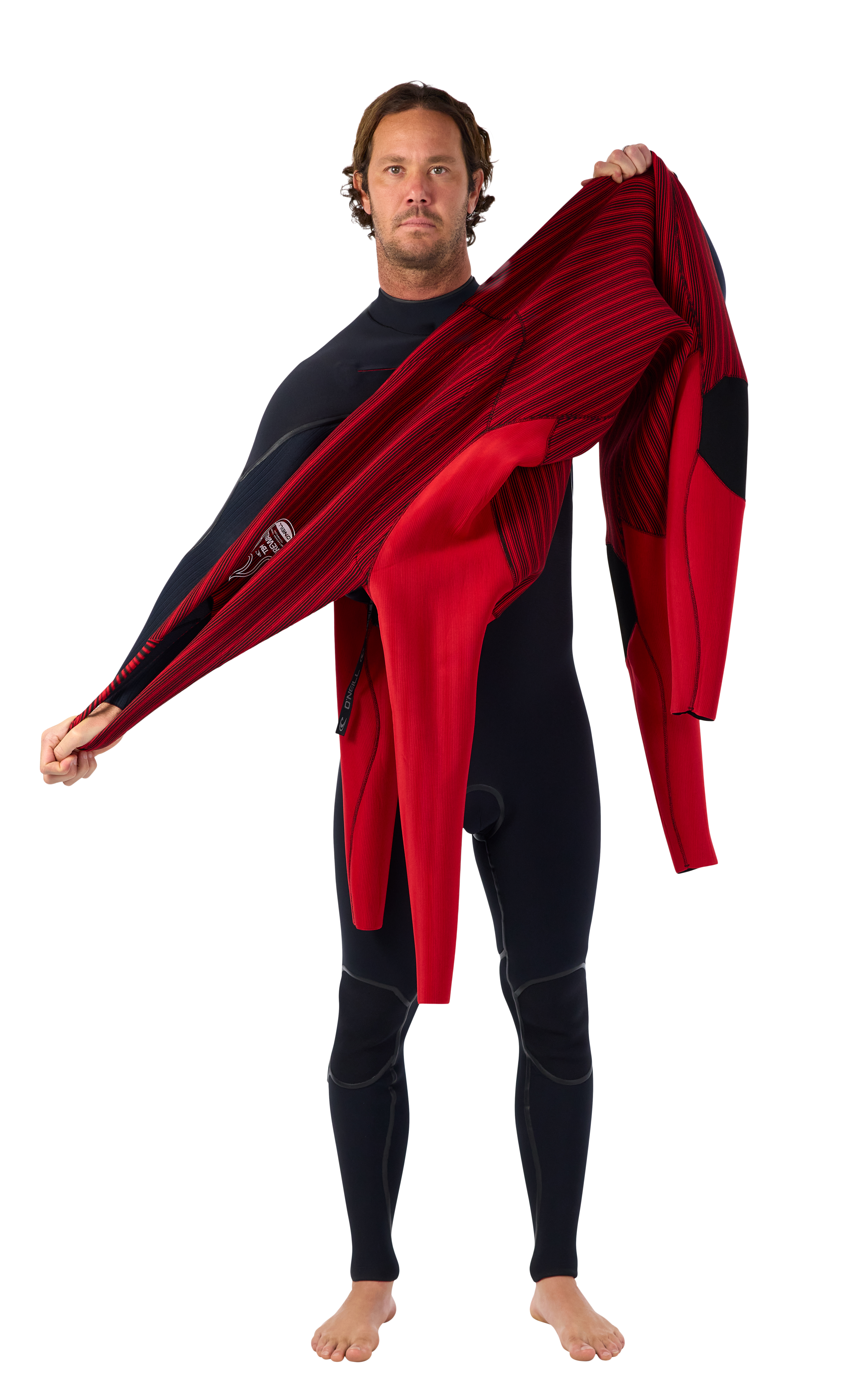
Some wetsuits, like O'Neills Psycho Tech range, have thermal linings to increase insulation throughout the suit. It is designed to wick water away from the body and act in the same way as a typical thermal item of clothing. The material is often soft and usually placed on the inside of the chest and/or back of the wetsuit - by insulating these areas as warm as possible, warm blood can be pumped round the rest of the body. It is also less flexible than neoprene, but is a better alternative to being too cold to perform well in harsh conditions.
Mystic's Tech
Ideally, your wetsuit should be as tight as possible without being too restrictive or uncomfortable. If you’re in between sizes, its generally best to go with the slightly tighter fit, over time wetsuits can stretch up to 5% (roughly) over time.
Fitting around the neck:
This should fit just below the midpoint of the neck, if it’s too low then it can stretch too far down and create gaps which will let the water flush through. If it’s too high, then it can cause horrible chaffing due to the increased movement from your heads varying movement.
Again, it should fit tight and comfortable around the neck. You don’t want there to be any gaps that could allow water to get into the suit.
A perfect way to test this is by leaning your head and neck forward to see if you can slide your finger down the back of the neck seal, if you can it’s most likely too large; if you can’t then it’s probably the right size for you.
Fitting around the chest, upper back, shoulders & arms:
Keep an eye out for any folding or bunching of the neoprene, this typically happens when the wetsuit is too big around the chest, back and shoulders. Another way to tell if your suit is too small is if the material is stretching too far it will often produce a shine across the neoprene.
Fitting around the torso & lower back:
This essentially just needs to fit tight with no folds, where it’s clearly tucked in nice and tight to the lower lumbar region. If the suit is too tight there will be gaps between the wetsuit and your skin in your lower back region, this will not keep you warm due to the air gap in between your skin and the neoprene – you want the suit to be the same shape as your body, fitting tight all the way through
Length of the wetsuit – cuffs around your wrists and ankles:
With the length of the wetsuit, it’s very similar in how to identify if it’s too long or short, you don’t want any big folds on bunches near your elbow or knee joints.
For both your wrists and ankles the cuff on the limbs of the suit should come right to the joint of your wrists and ankles
Connor & Tom from MSS talk through how a wetsuit should fit here:
Choosing the right neoprene thickness is key to staying functional and comfortable whilst taking part in your given watersport activity. Wearing a summer wetsuit in winter conditions would leave you feeling extremely cold, which can lead to painful muscle cramps. The neoprene is too thin to maintain the warm water inside the suit effectively. If you wore a winter wetsuit in summer months, you’d find yourself getting extremely hot and uncomfortable, which can lead to poor performance and could lead to you possibly fainting from overheating or other dangerous outcomes.
Water temperatures and wetsuit thicknesses:
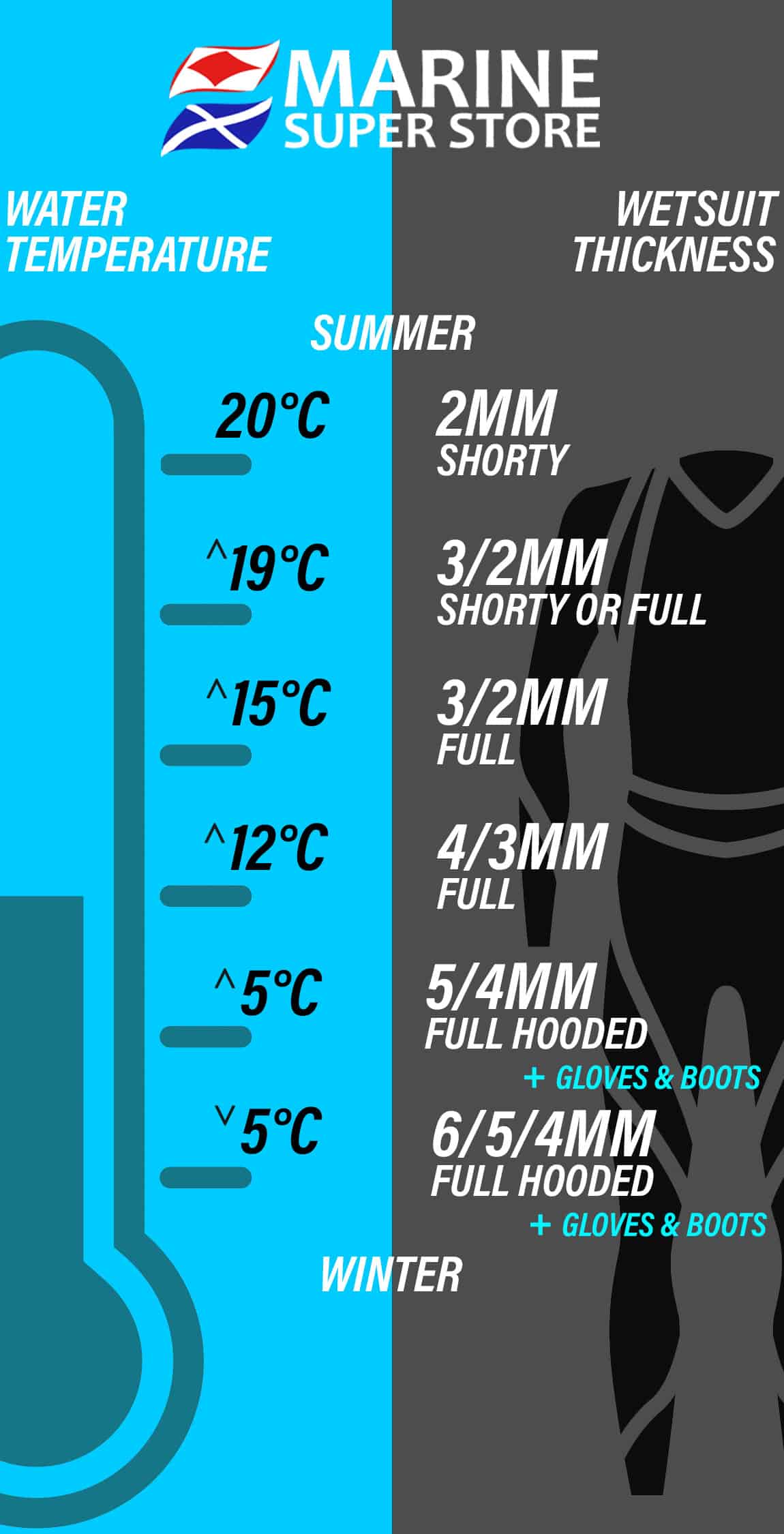
Here’s a rough guide on what wetsuit thickness you’ll need for different water temperatures.
As shown in the image the colder the water temperature, the warmer you’ll want your wetsuit thickness to be.
Hoods, gloves and boots will help aid insulation through not allowing heat to escape from inside the wetsuit, whilst also keeping your extremities warm when in out of the water. Hooded wetsuits will also be a great tool to combat headaches from the cold when your head is submerged.
Choosing the thickness for you:
Another important factor to consider is how you react to the cold – what’s your cold threshold. If you find yourself feeling cold even with the recommended thickness, it is probably worth upgrading to a thicker wetsuit or one with ‘more advanced’ technical features e.g. thermal linings, improved seam construction, hoods etc.
Taking it off:
Do not take your wetsuit off when on rough terrain such as gravel, grass etc. Instead, use a changing mat or towel to stand on to avoid any damage.
Cleaning:
Rinse your wetsuit in cold and fresh water, once you’ve done that turn it inside-out to dry away from sunlight- contact with heat can negatively impact the neoprene durability and flexibility! DO NOT wash your wetsuit with hot water, leave it in the sunlight or in the car for long periods of time. Aim to clean the suit every 3-5 sessions with specific wetsuit cleaning products, rinse the suit with cold water after EVERY session.
Drying:
Hang your suit on a hanger (preferably plastic) in a ventilated area to stop any deterioration and unwanted creases. Remember to not fold the wetsuit whilst drying!
Can I put my wetsuit in the washing machine?
NO – washing machines damage the neoprene and any glued seams.
Can I put my wetsuit in the dryer?
NO – the heat will damage the neoprene and any glued seams, same as the washing machine.
Should I wash my wetsuit with soap?
NO. No soaps or chemicals should be used to clean your wetsuit, again this will damage the neoprene. Some natural soaps are ok to use in small quantities and can leave your suit smelling better; but they must be natural soaps that contain no perfumes or chemicals. Ideally though you should use a specific wetsuit shampoo or cleaner, these products can extend the shelf life of your wetsuit and keep them working optimally for longer.
Can I use my wetsuit in swimming pools?
NO – chlorine damages neoprene and the wetsuits seams.
Do wetsuits shrink?
YES – they do shrink, neoprene is made up of small cells filled with air, as the suit ages, the air cells can collapse; causing the suit to shrink and decreasing it’s flexibility, that’s why you should do your best to optimally take care of the suit!
Avoid nail damage:
When manoeuvring the wetsuit (pulling it up and down your arms or legs etc.) try to use the palm of your finger and hands to slide the wetsuit, avoid pulling using the ends of your finger and nails. Your nails will often damage the neoprene and top finishes on wetsuits. Or you can wear soft gloves that pad the end of your nails meaning they’re less likely to damage the wetsuit. Generally, we do recommend sliding the suit rather than yanking and pulling.
When putting your feet through the wetsuit, damage is often caused by users’ toenails, if they’re too sharp it can rip the material or if you’re trying to rush it, unnecessary strain can also be put on areas of the material leading to other damages. A good hack to prevent any damage being caused is to put a plastic bag over the end of your foot so your foot can easily slide through the foot hole of the wetsuit. Another way is to hold and stretch the bottom of the suit open and slowly put your foot through making sure your toes have gone all the way through before slowly sliding the rest of your foot through.