


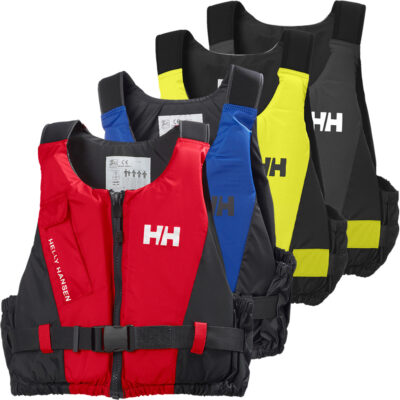
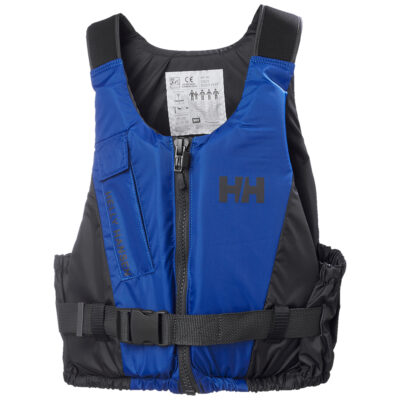
OFF
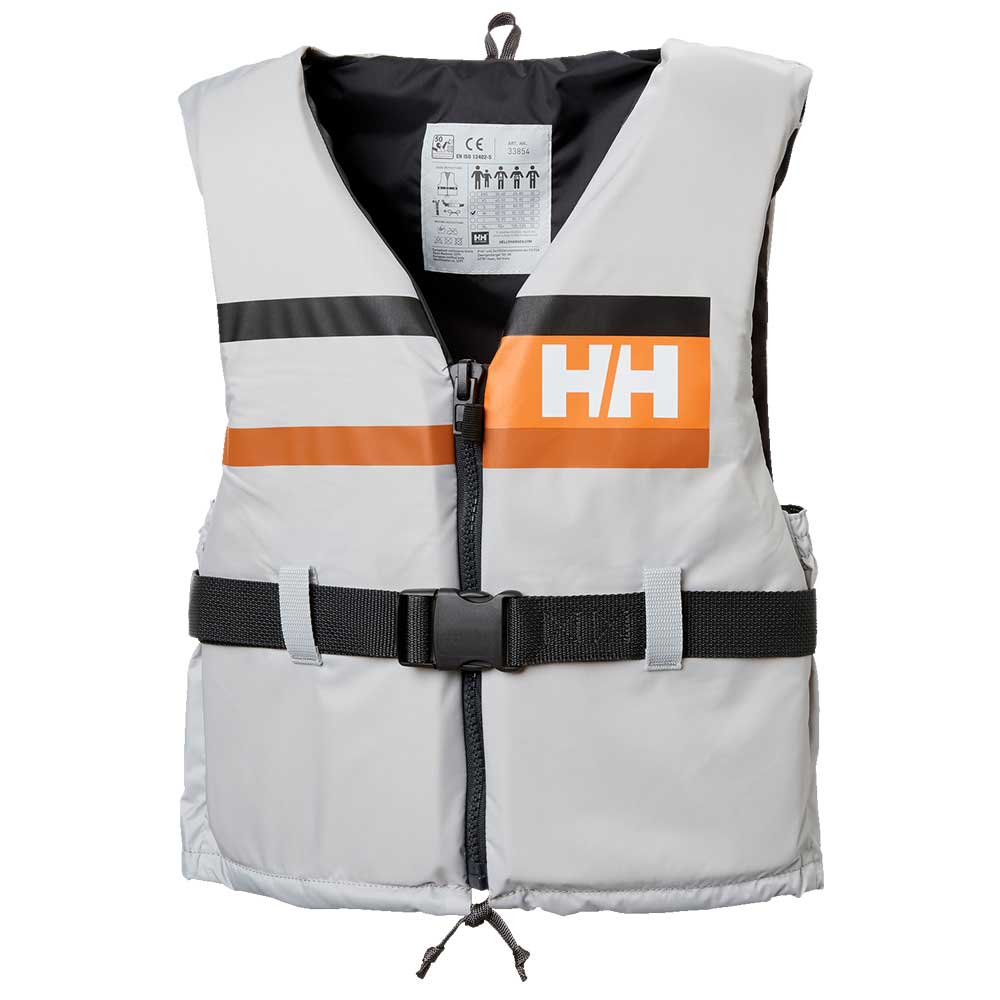
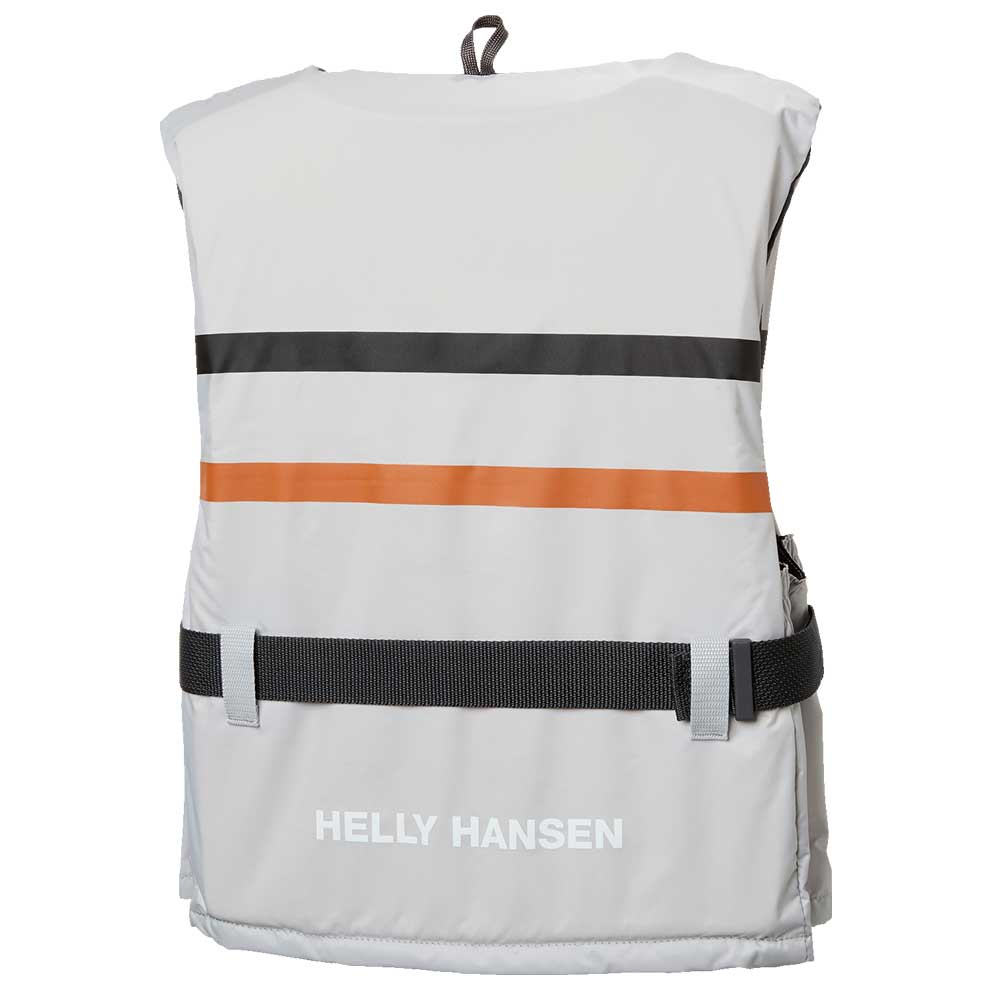
OFF



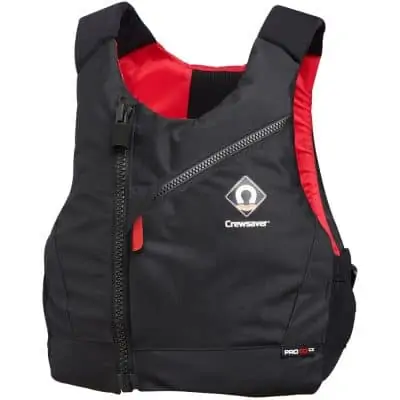
OFF

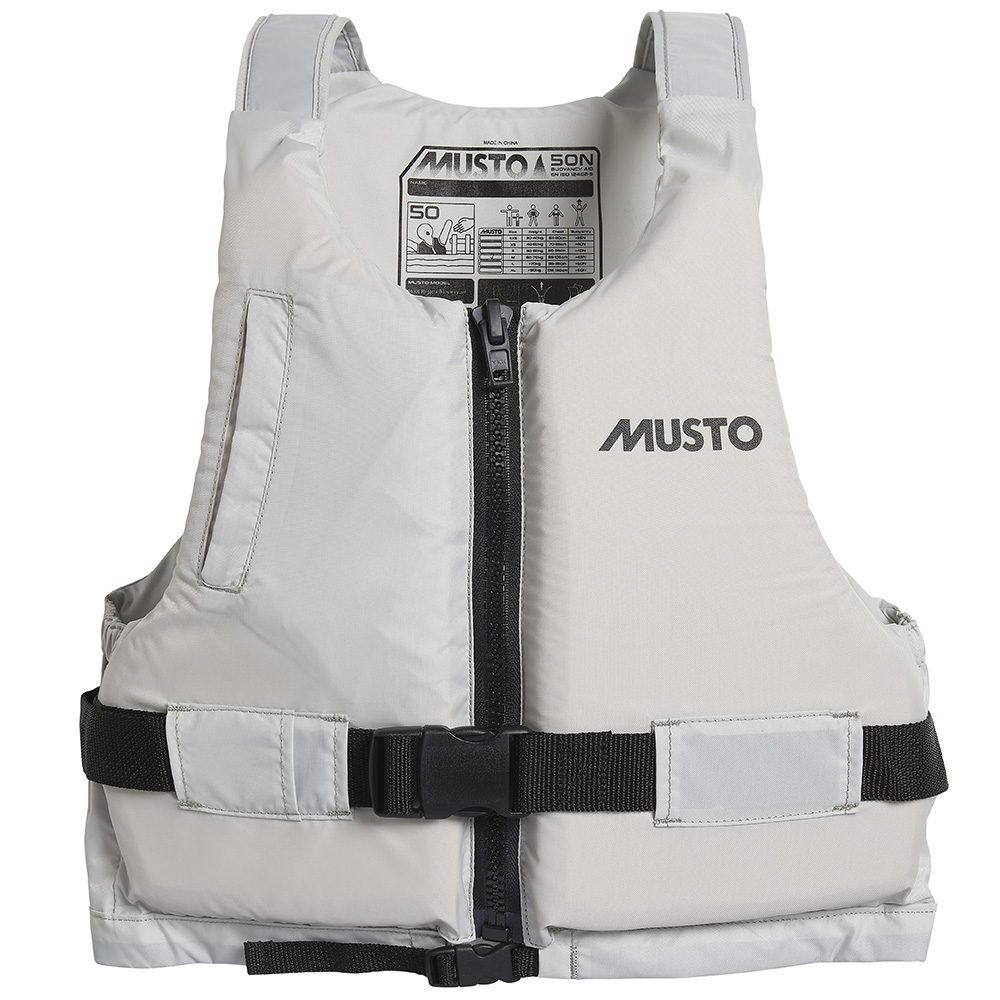
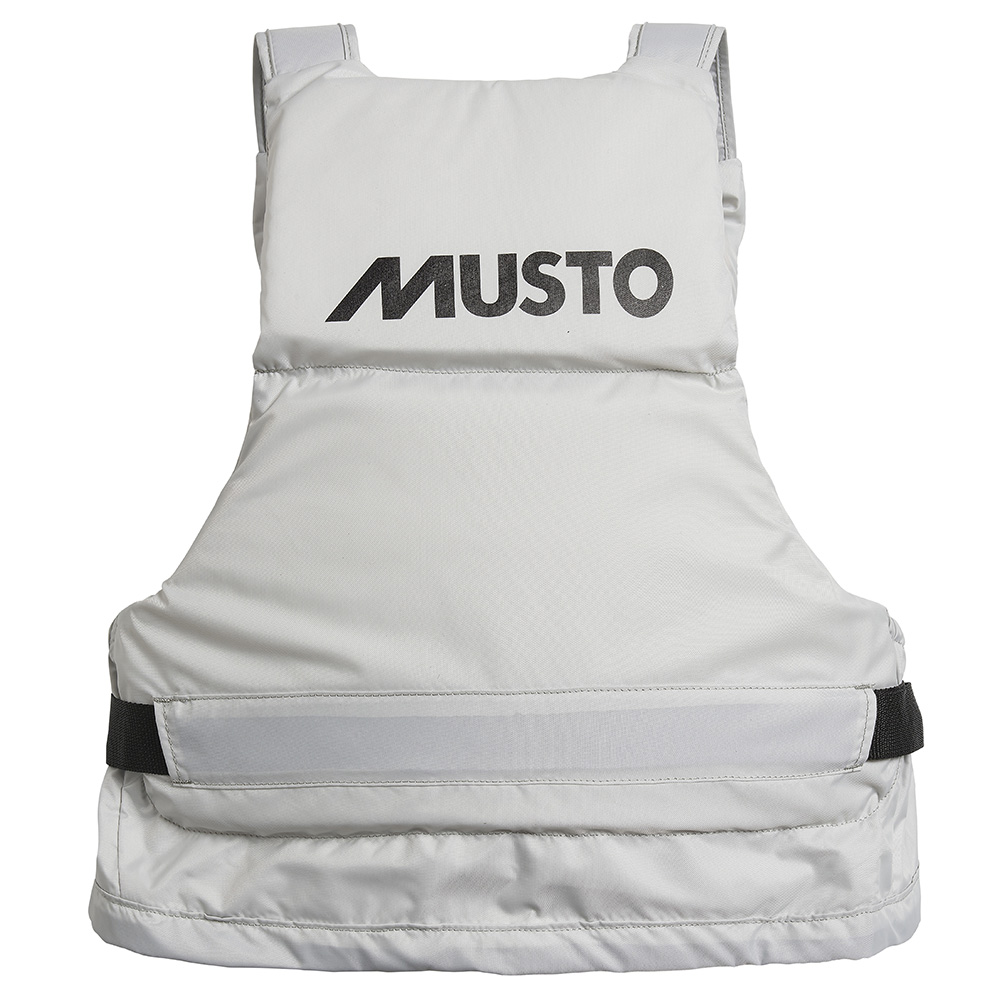
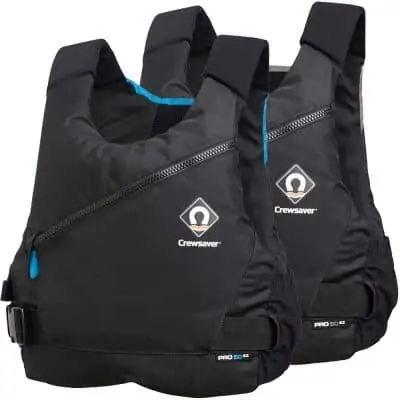

OFF
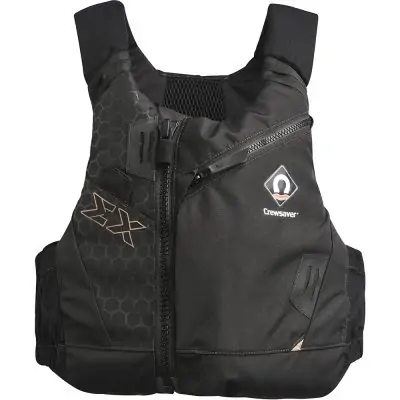
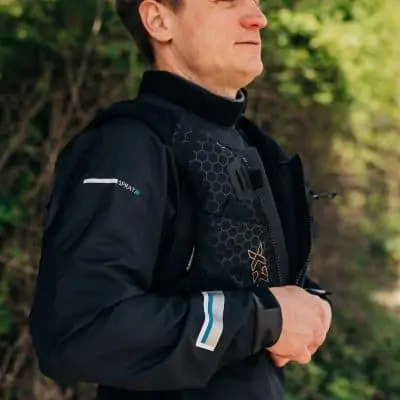
OFF
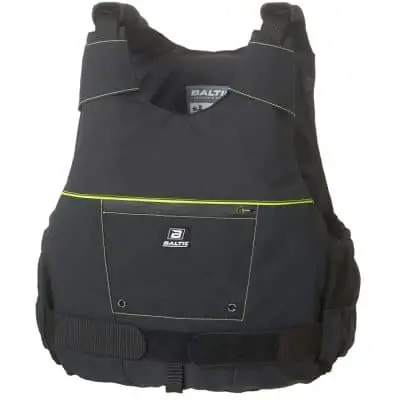
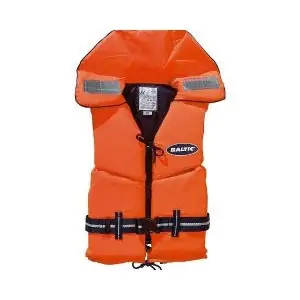
OFF

OFF

OFF



OFF
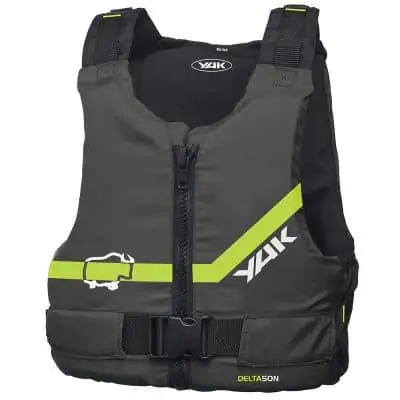
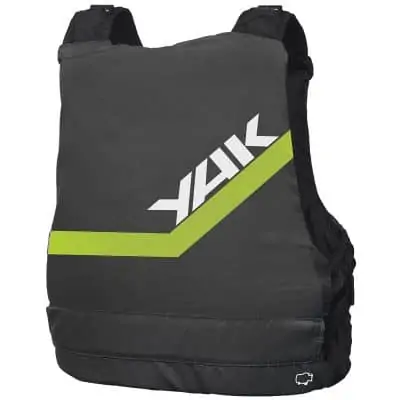
Buoyancy Aid Frequently Asked Questions:
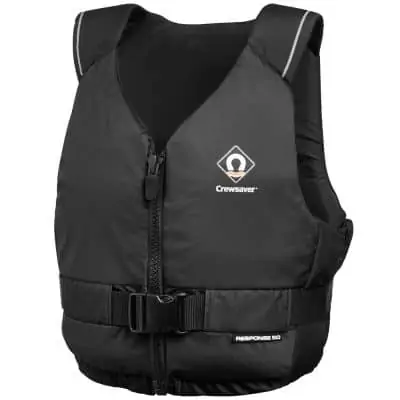
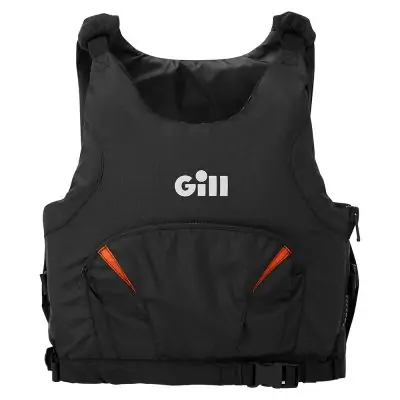
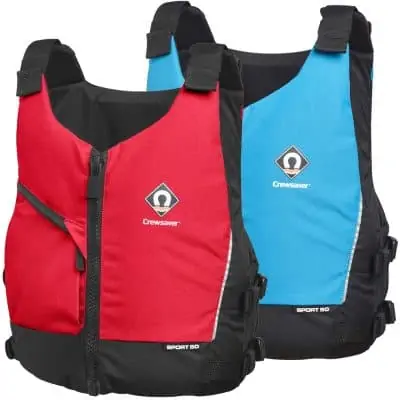
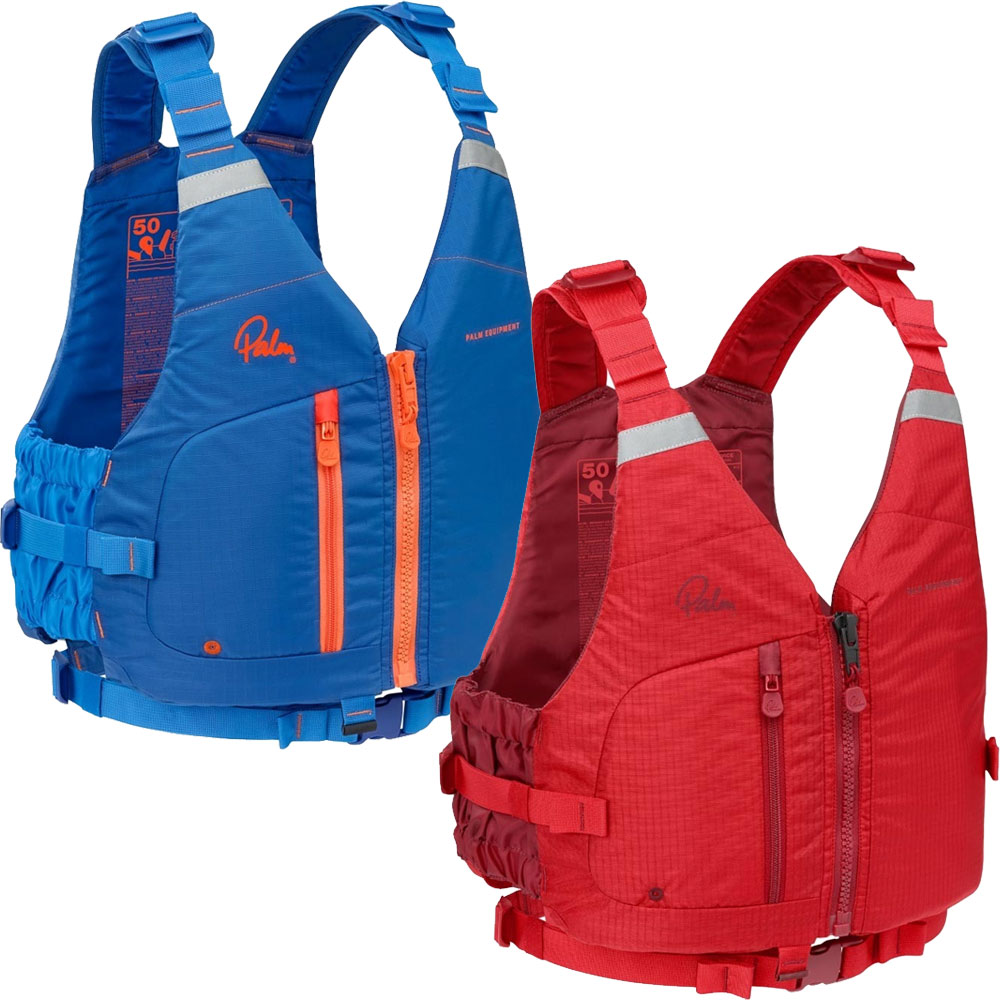
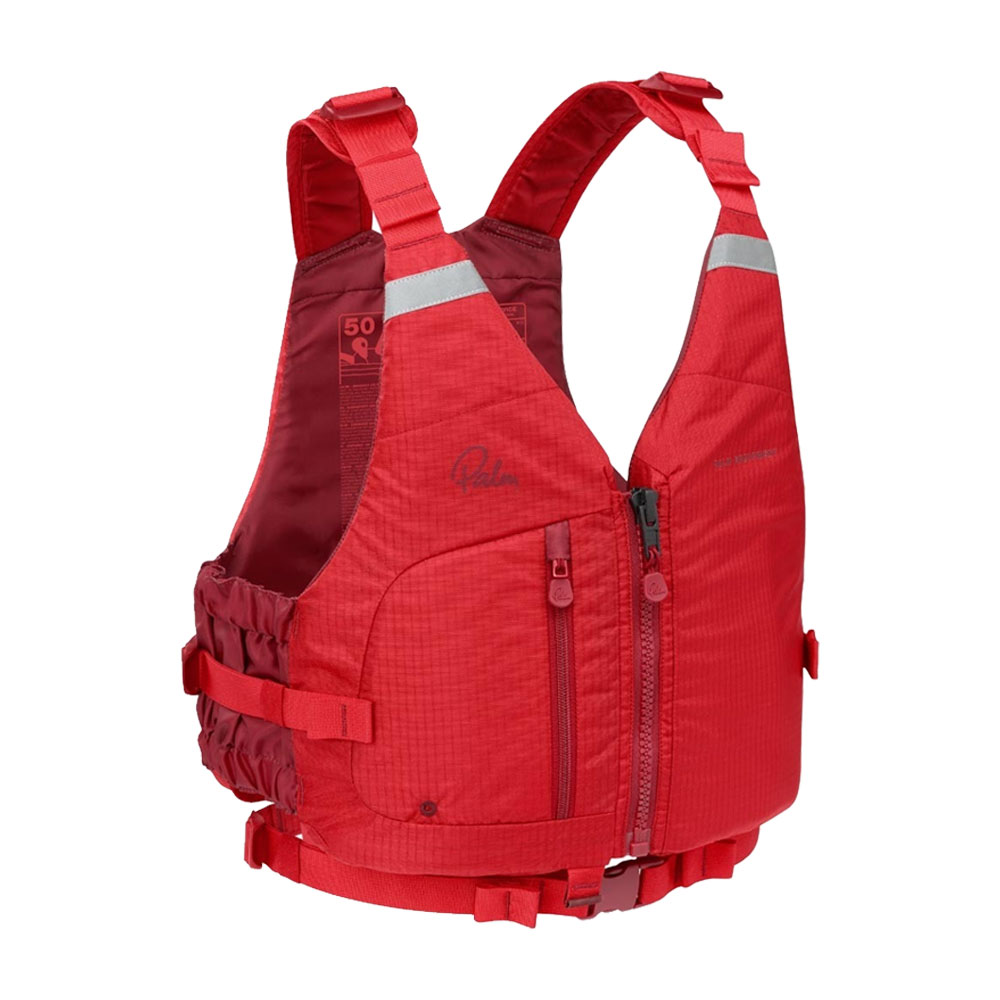
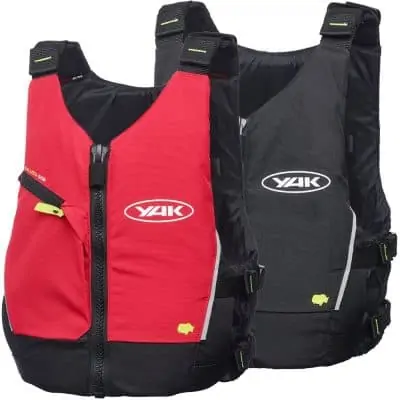
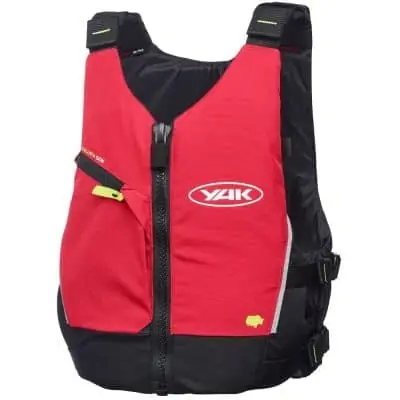
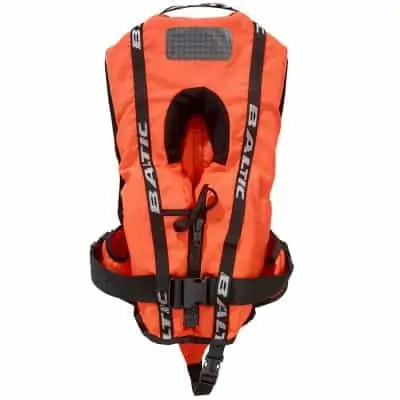
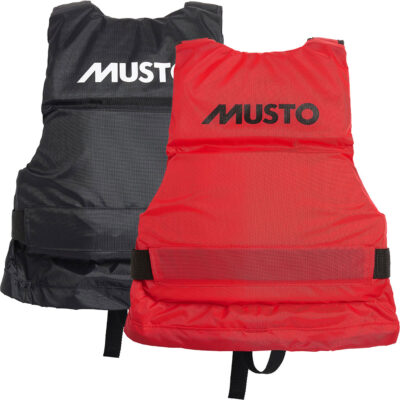
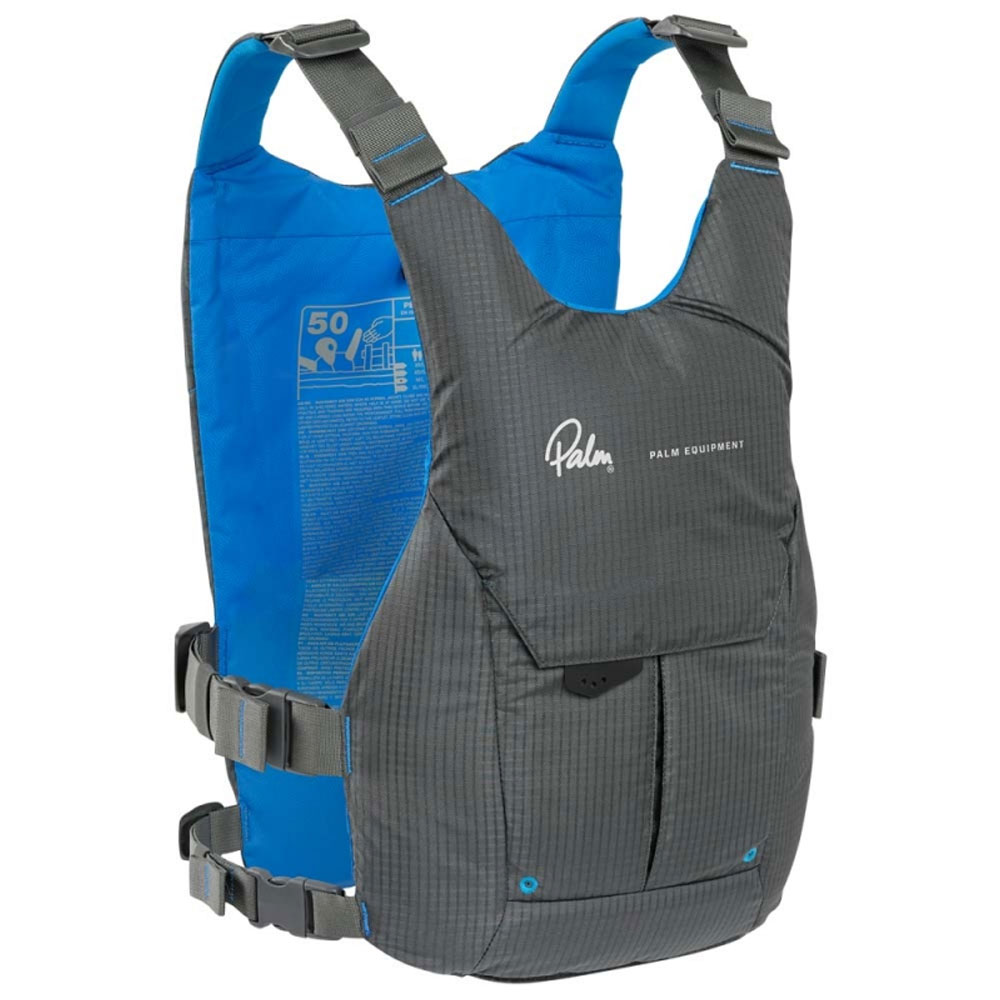
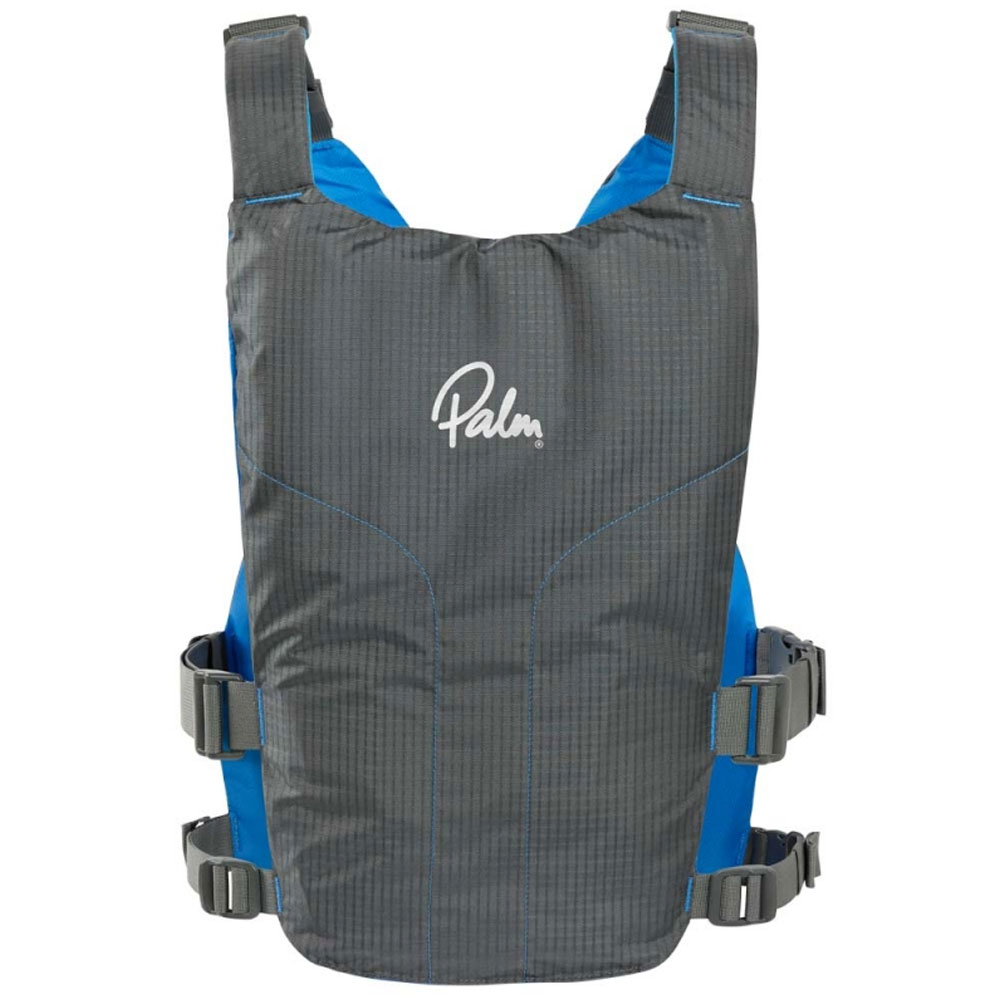
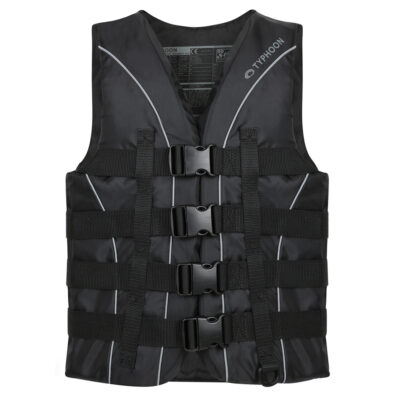
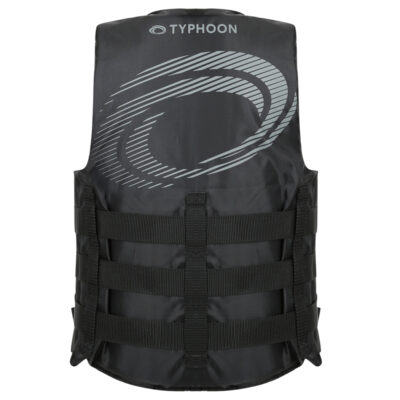
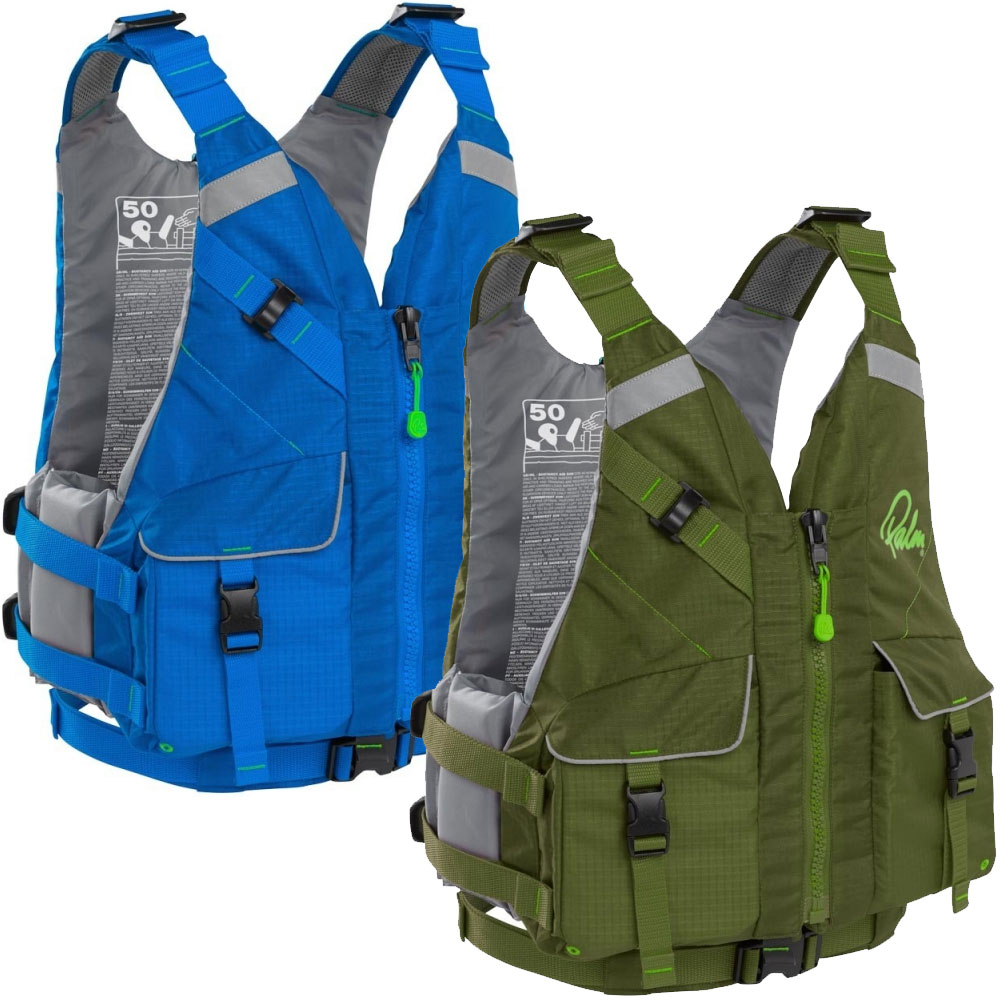
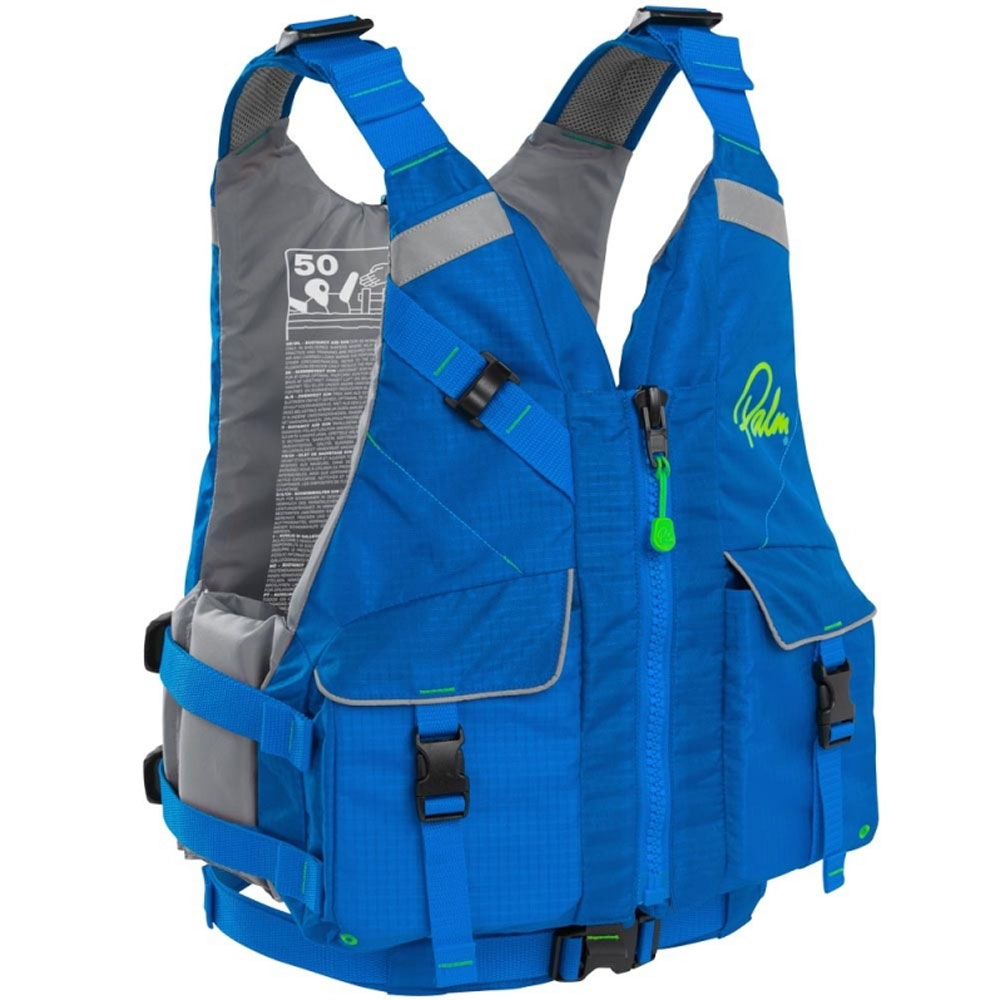
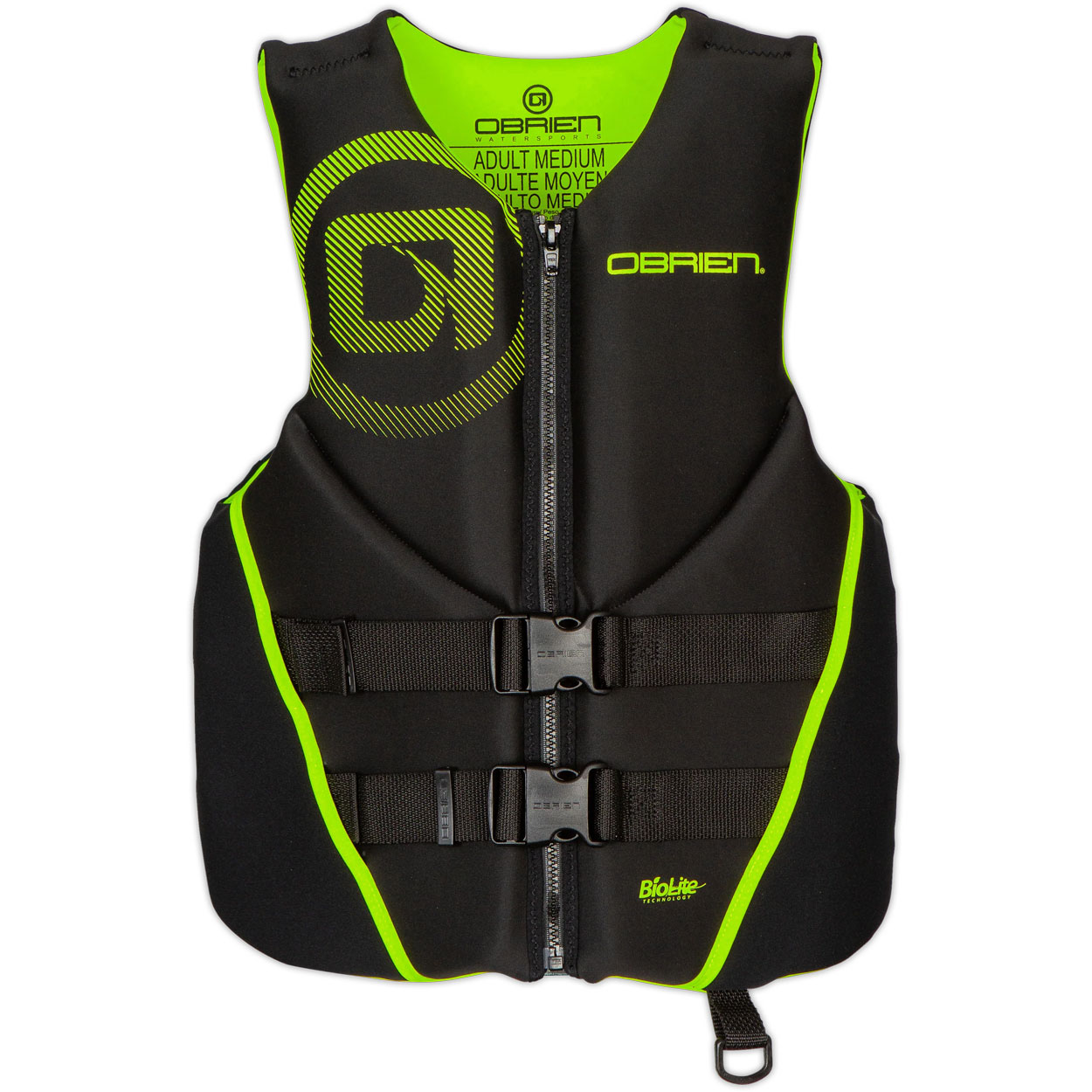
Yes, a buoyancy aid is designed to help keep a conscious wearer afloat in the water by providing additional buoyancy around the torso. It supports swimming, treading water and self-rescue, making it ideal for activities such as kayaking, paddleboarding and dinghy sailing. However, unlike a lifejacket, a buoyancy aid is not designed to turn an unconscious person onto their back or keep their airway clear of the water.
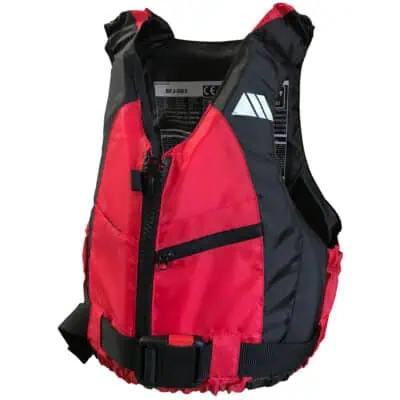
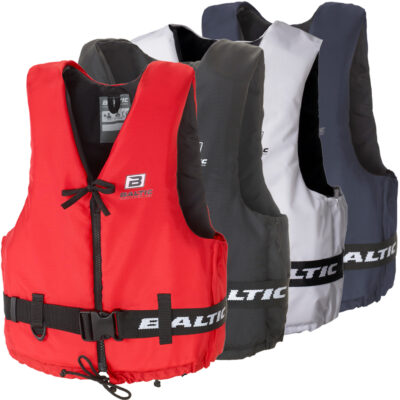
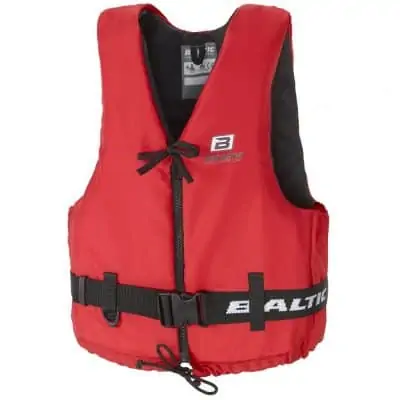
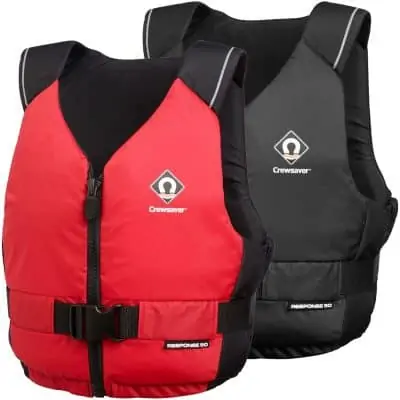
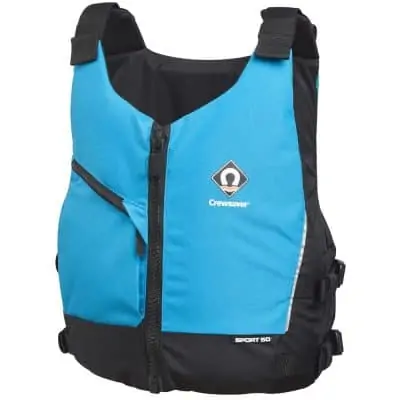
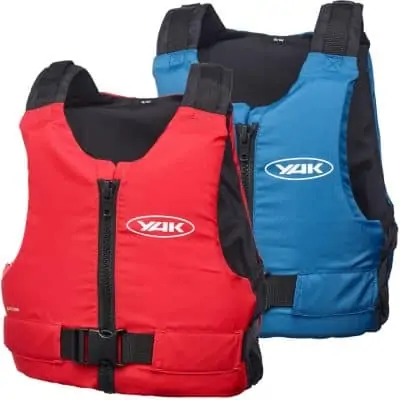
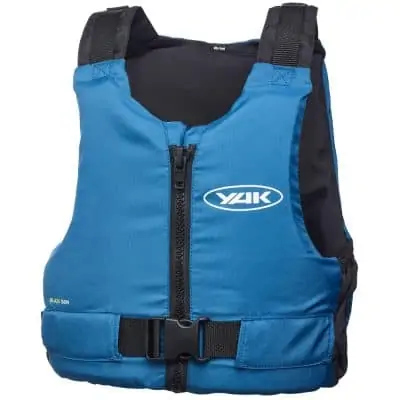
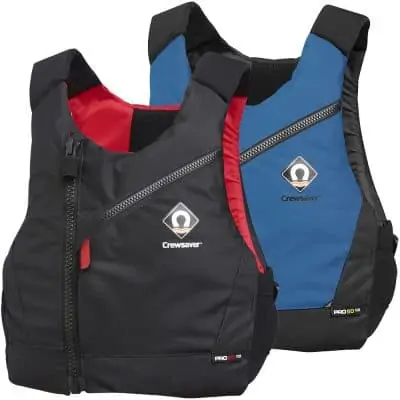
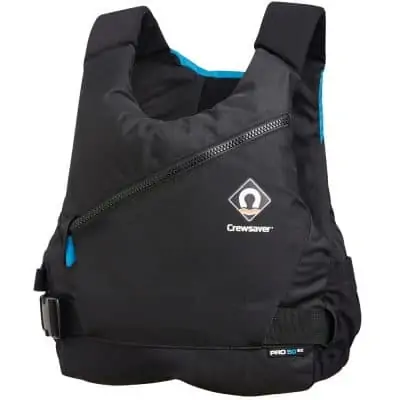
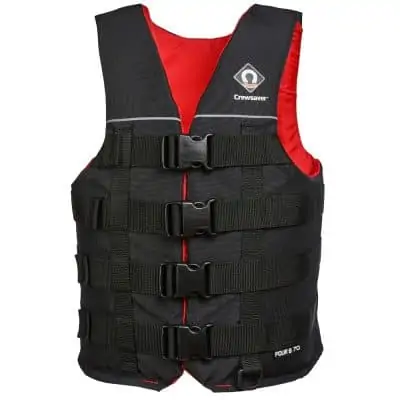
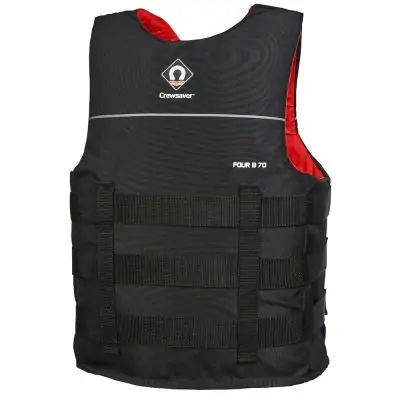
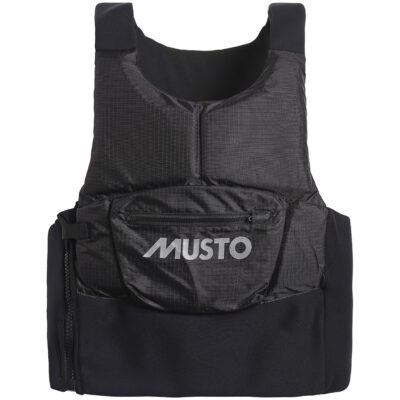
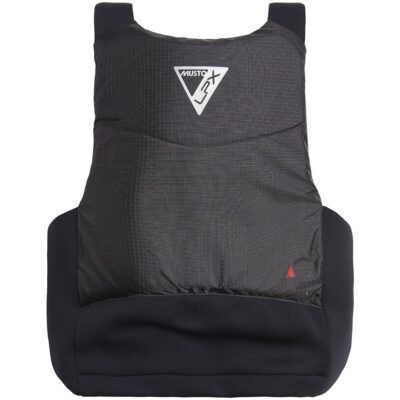
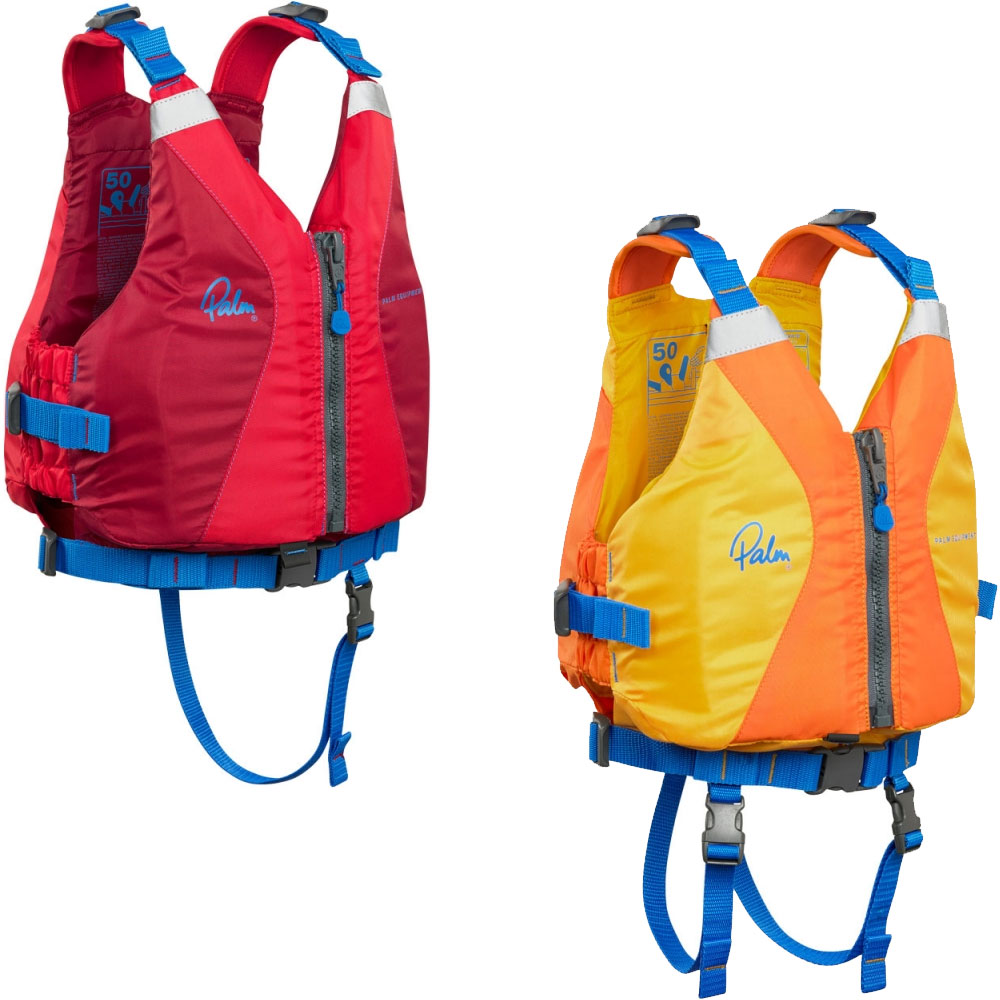
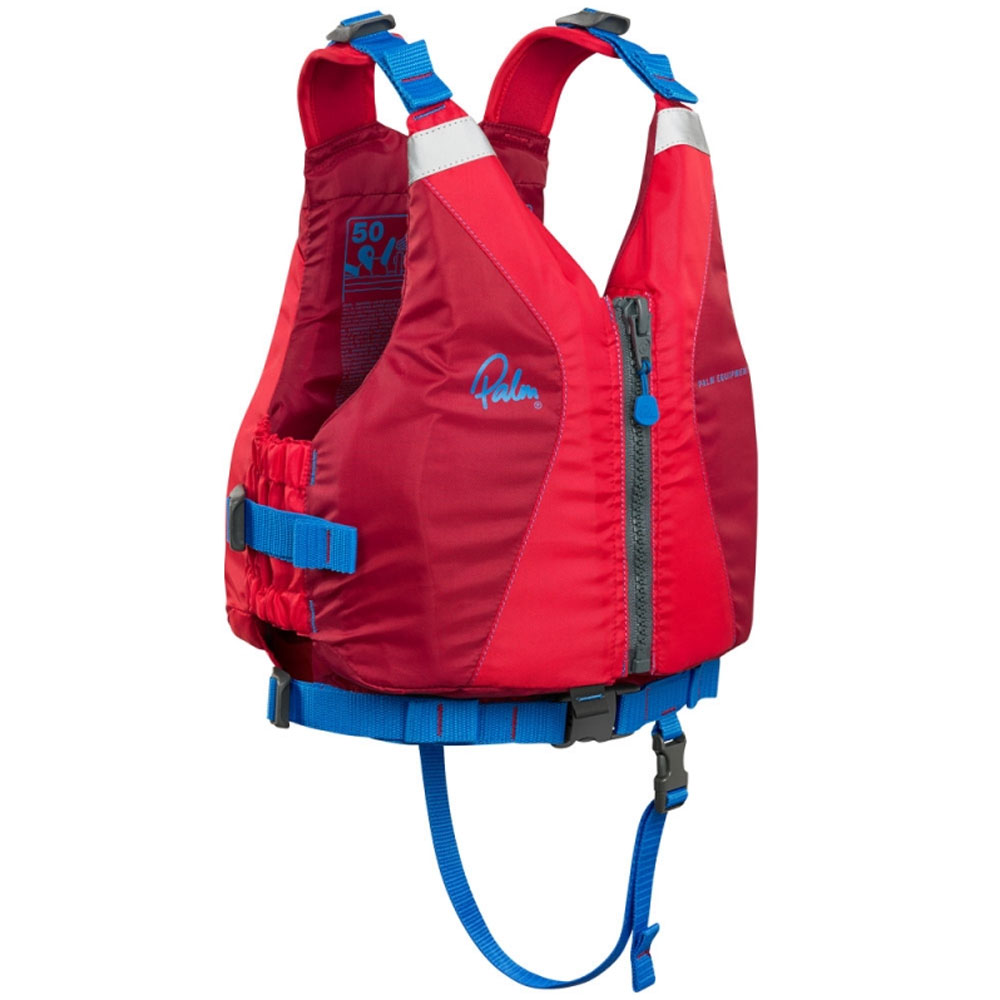
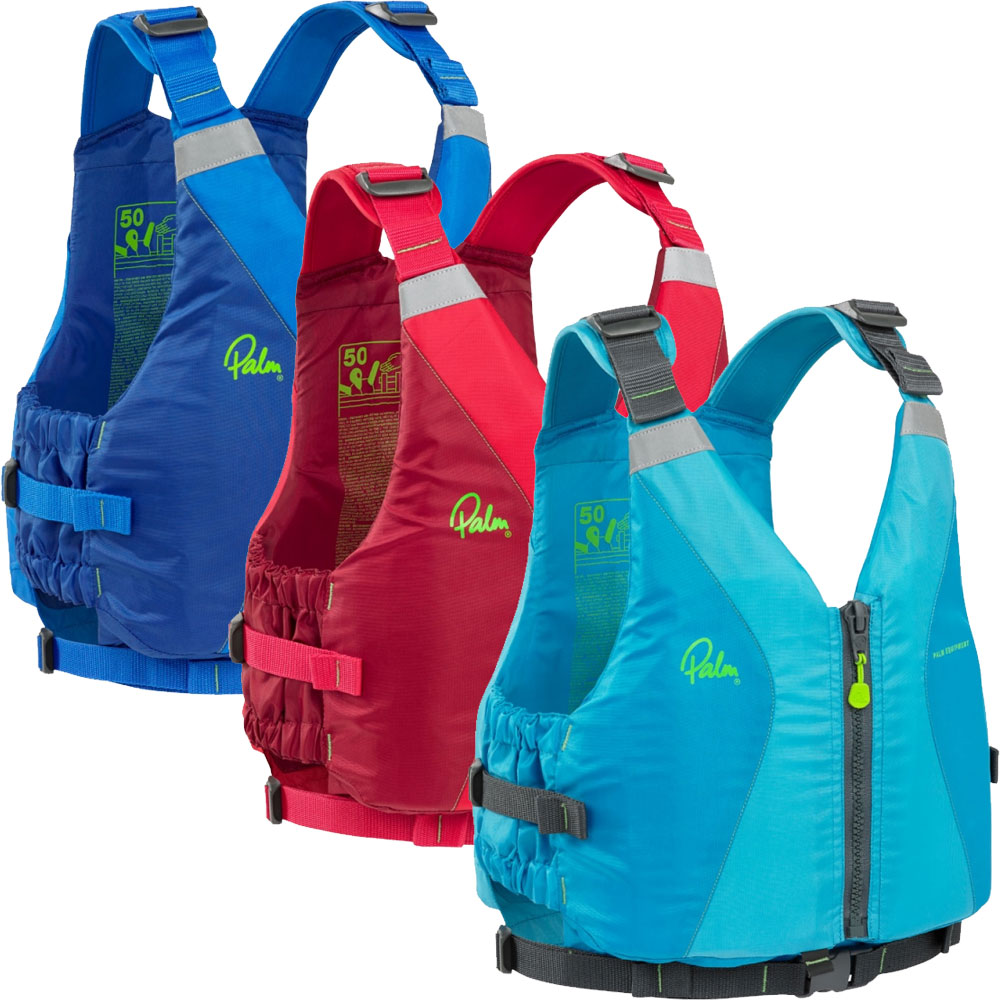
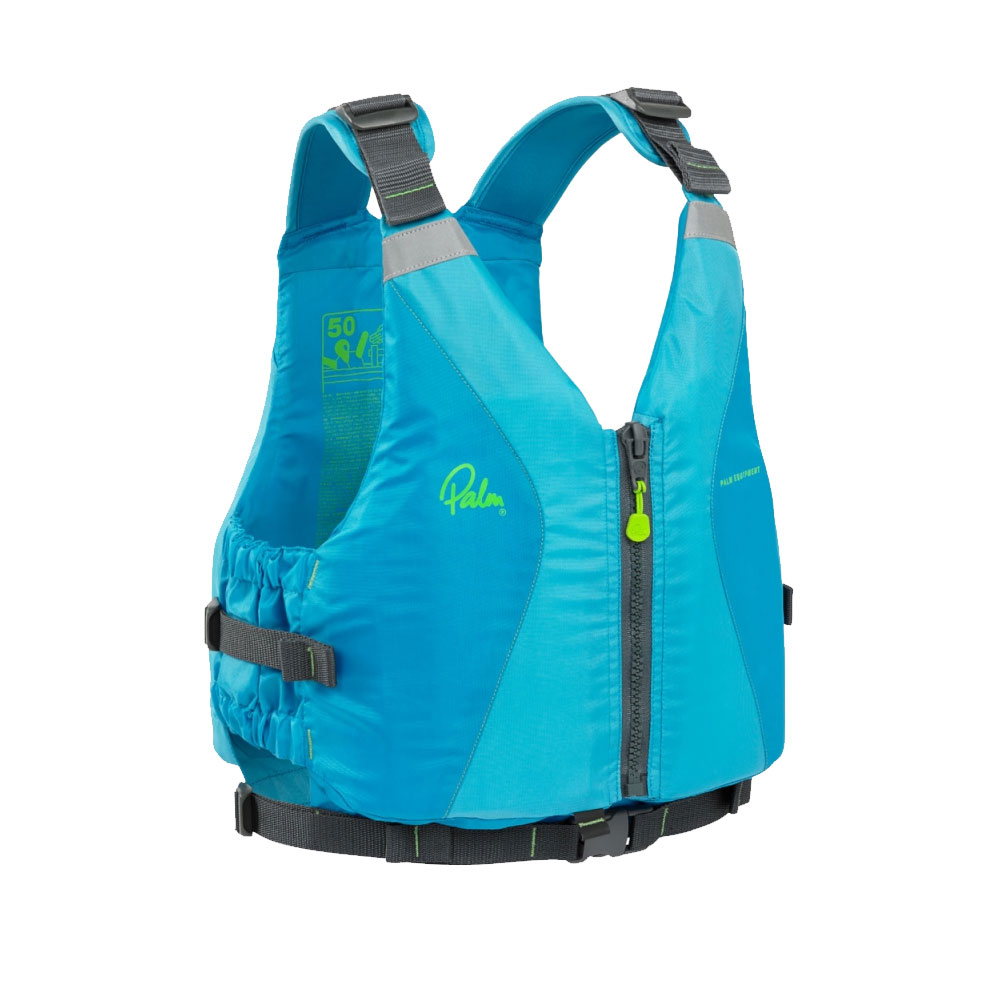
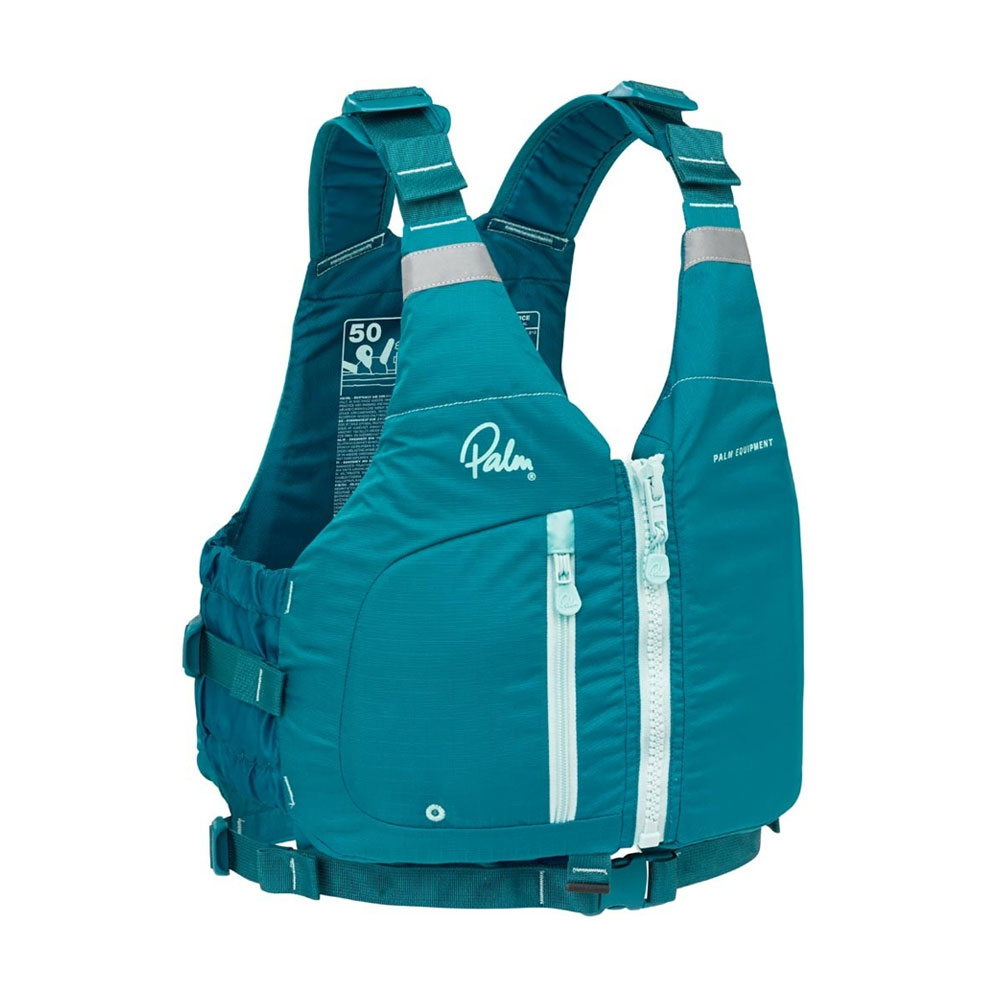
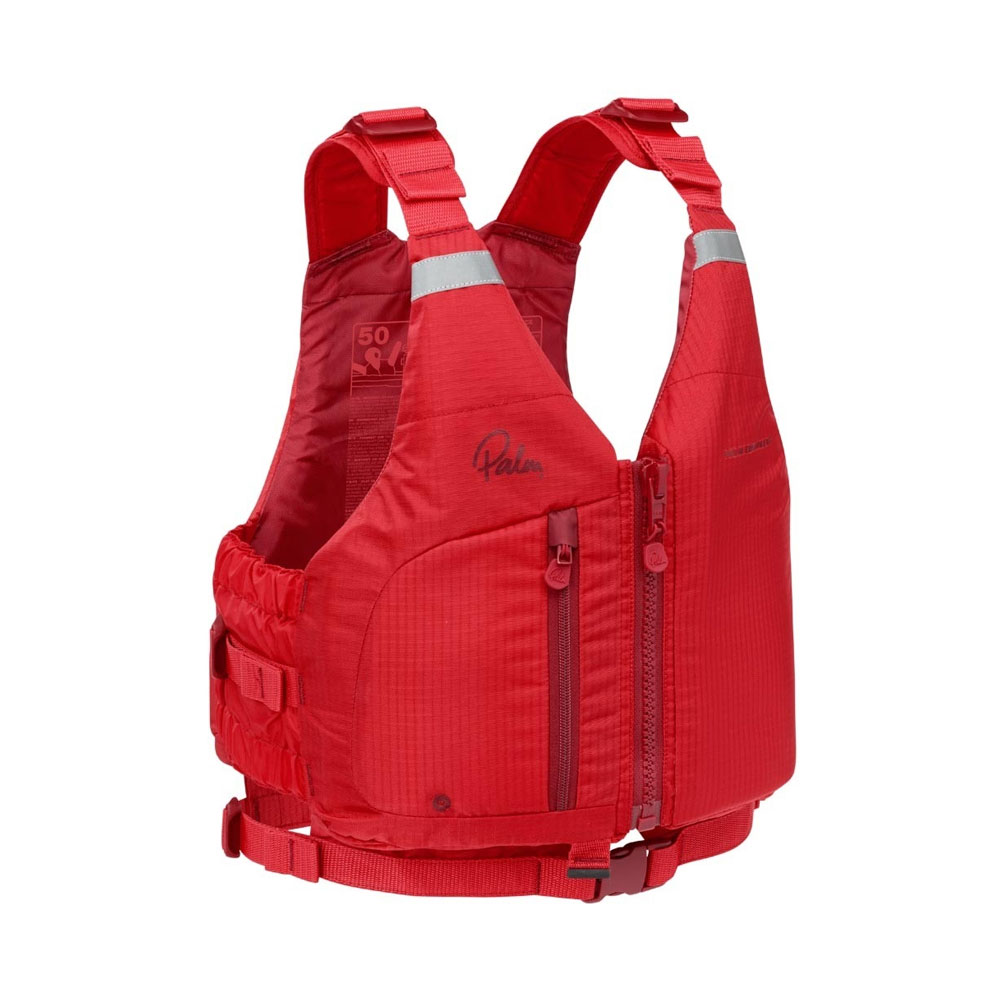
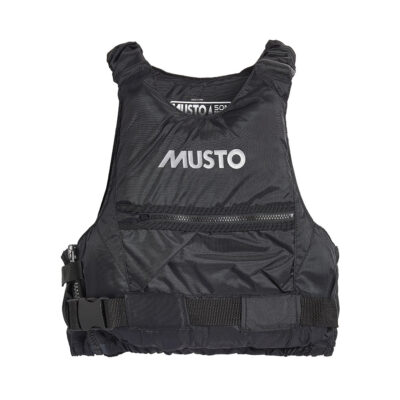
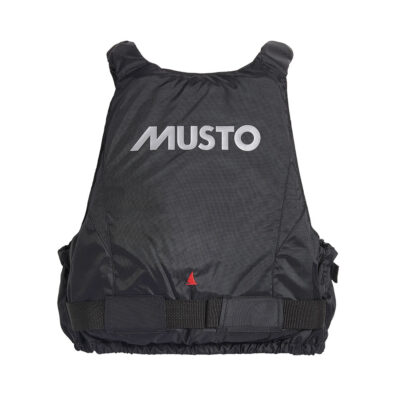
50N refers to a buoyancy rating of 50 Newtons, which provides approximately 5kg of floatation support in the water. This is the standard rating for most buoyancy aids used in watersports and is intended for competent swimmers and users who are likely to be close to shore or rescue assistance. A 50N buoyancy aid offers a balance between floatation and freedom of movement, making it suitable for activities such as kayaking, paddleboarding and dinghy sailing. See our complete range of floatation devices for watersports.
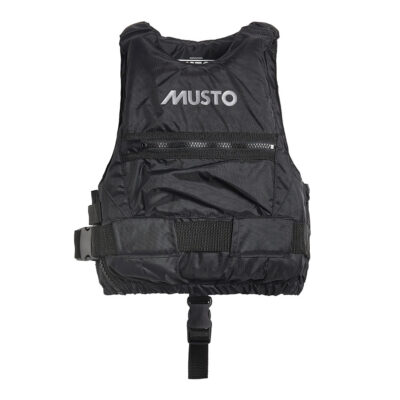
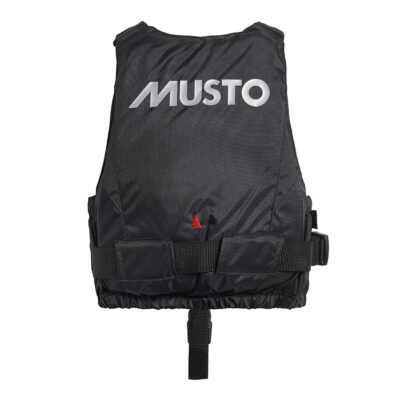
From a flotation perspective, no. All CE/ISO-certified buoyancy aids provide a minimum of 50N of buoyancy, so the standard is consistent across activities. Where they differ is in their cut, construction and additional features – and that's where your choice of sport will help you choosing the right aid.
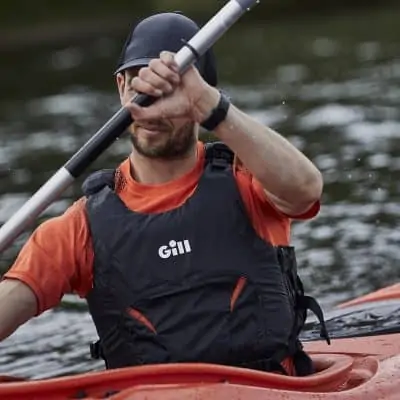
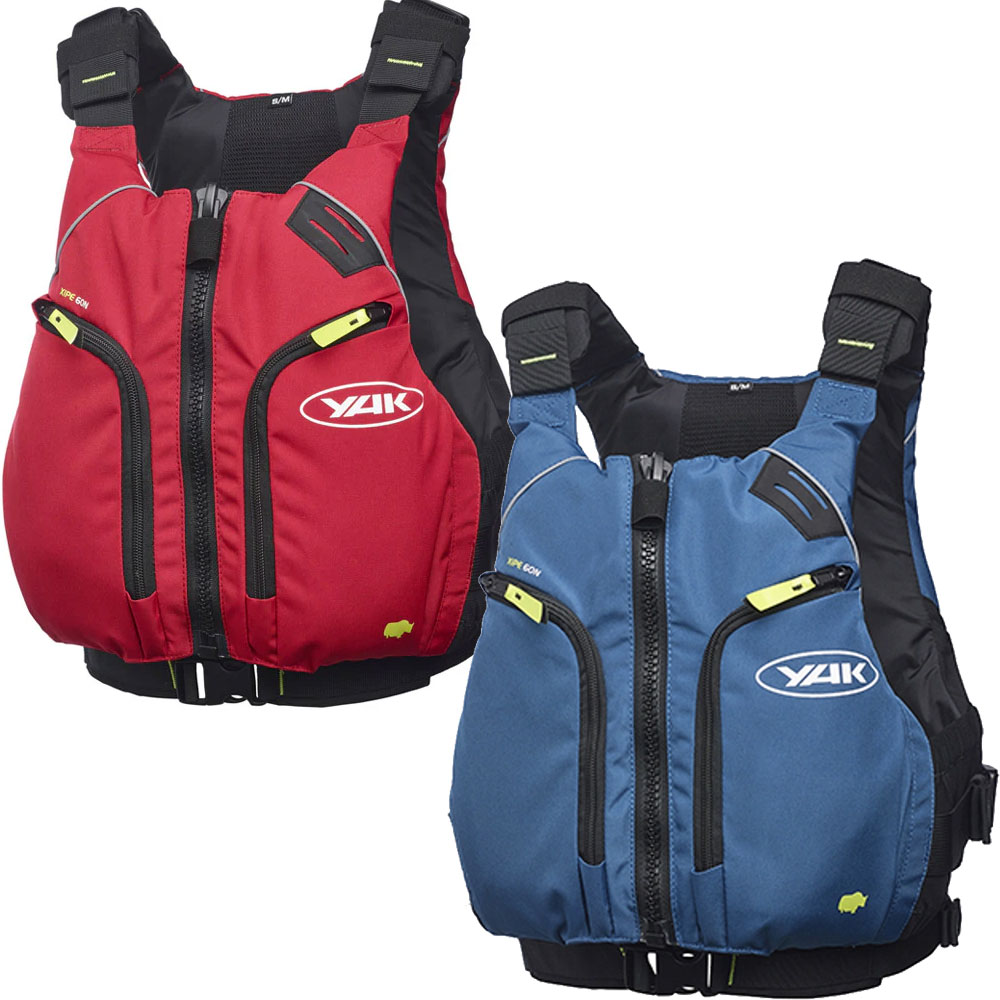
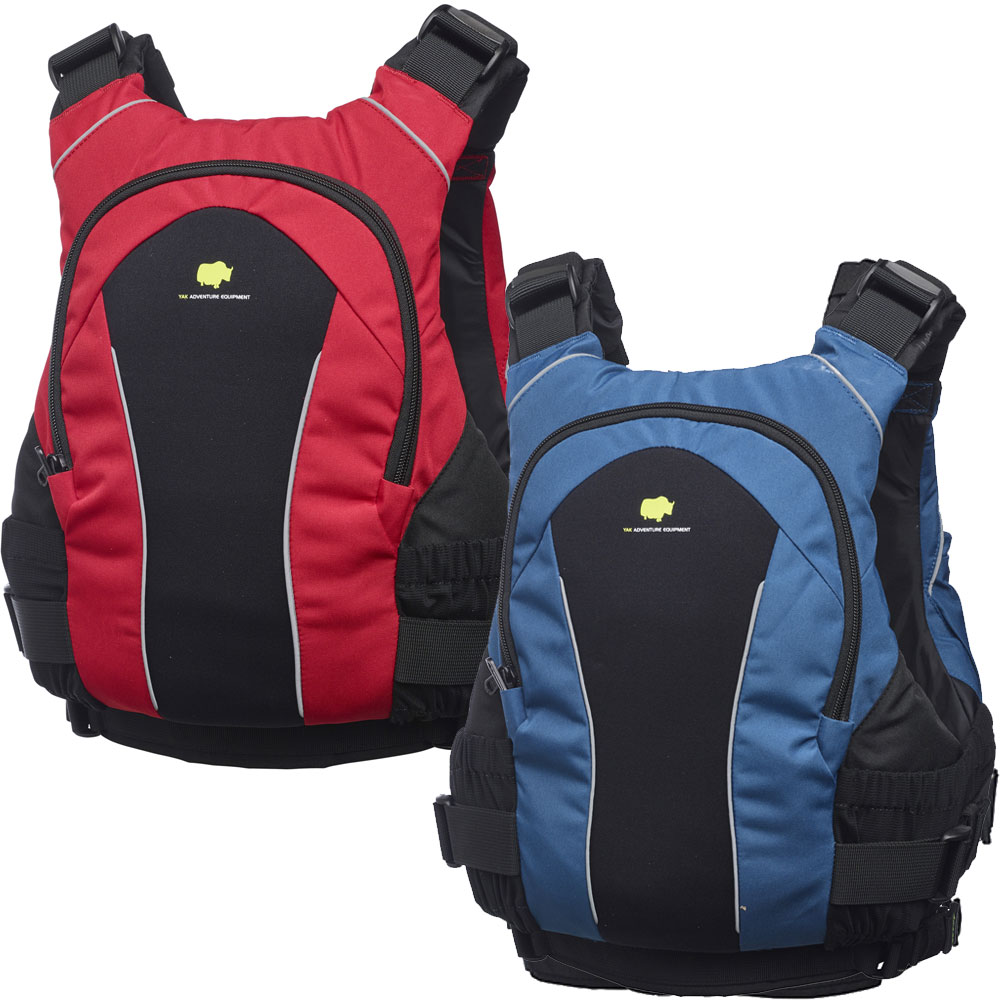
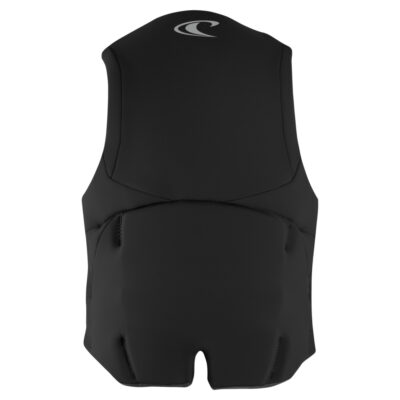
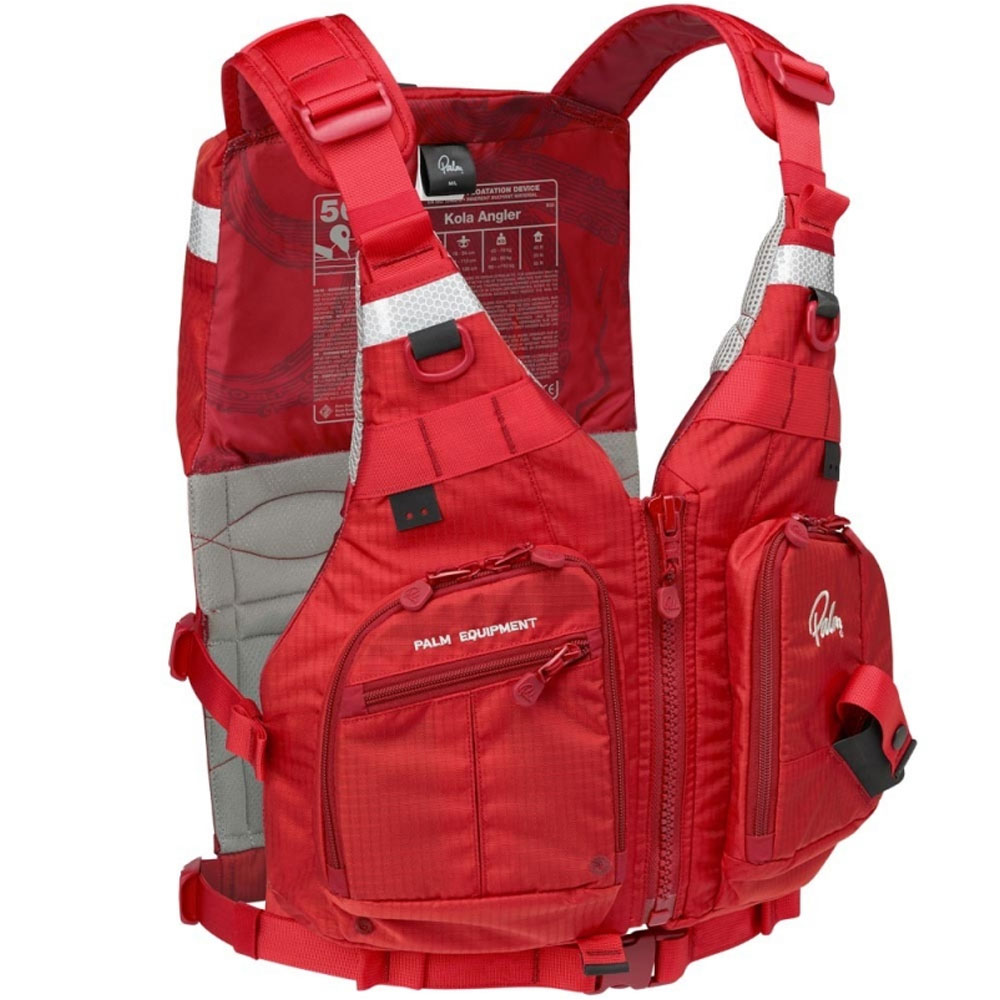
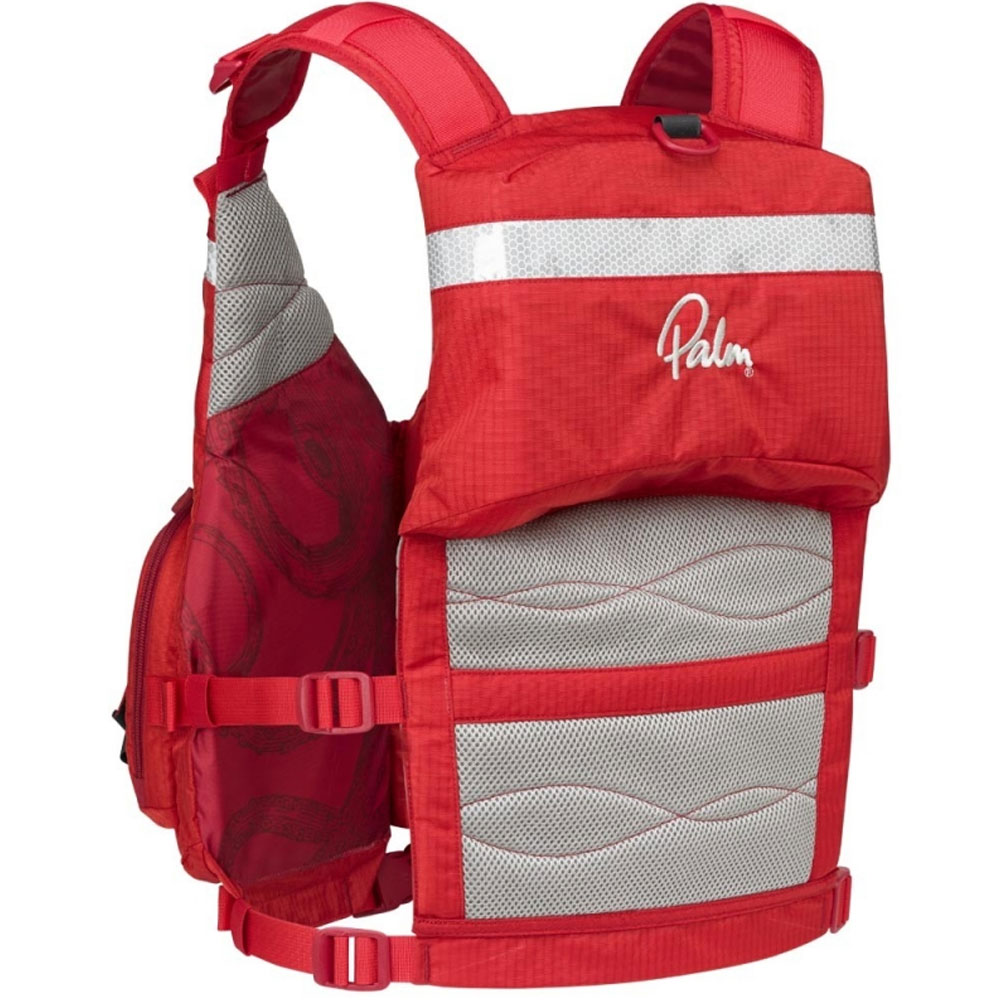
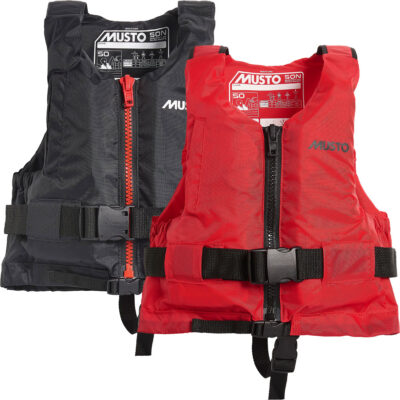
Kayaking buoyancy aids are cut high at the shoulders and arms to give full paddling mobility, and shorter in the body so they don't ride up when you're seated in the boat.
Dinghy sailing aids tend to be slimmer-fitting so they don't snag on rigging, and are cut higher at the waist to accommodate a trapeze harness underneath.
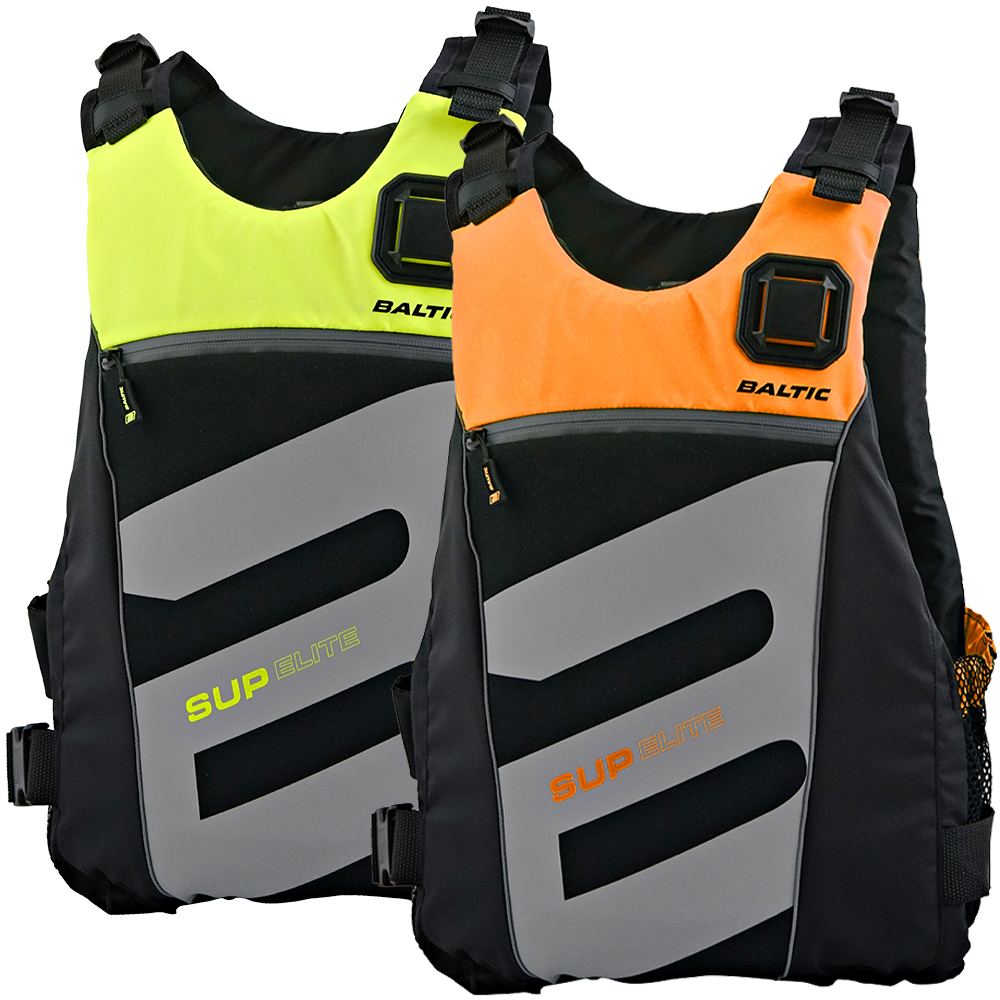
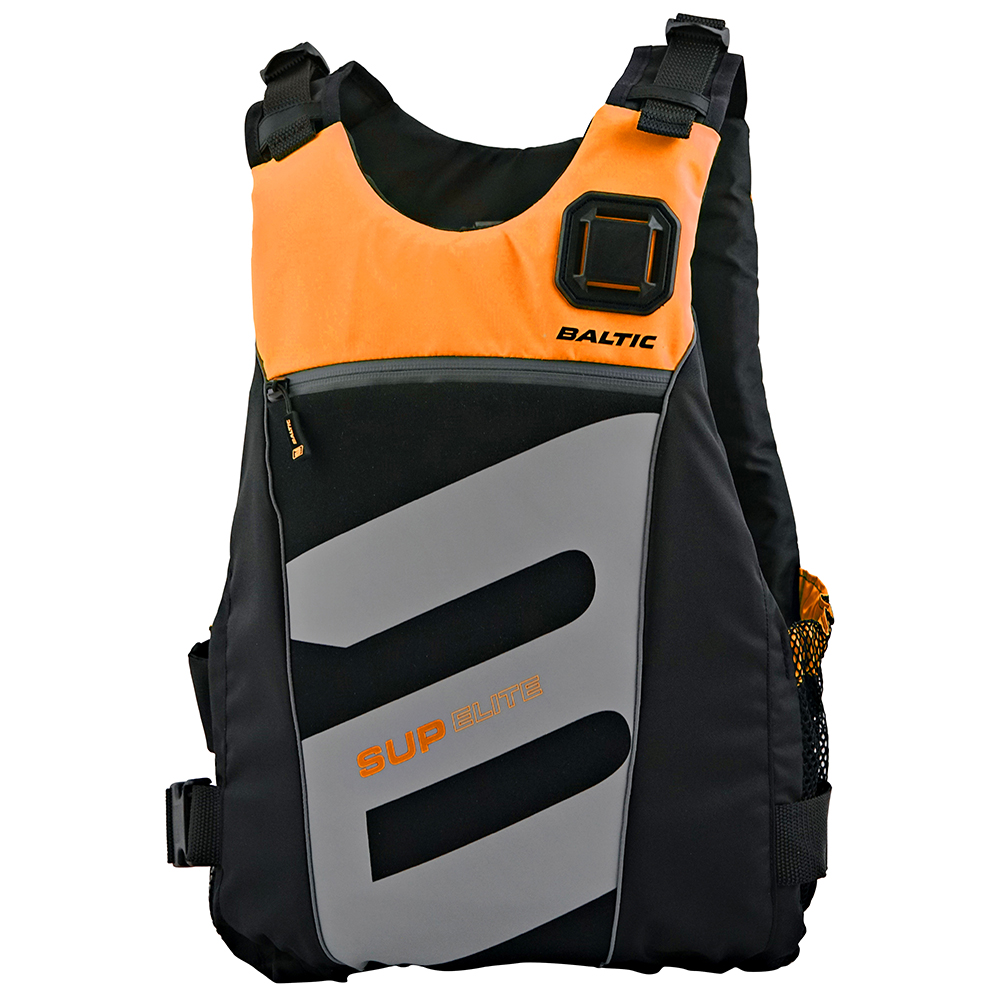
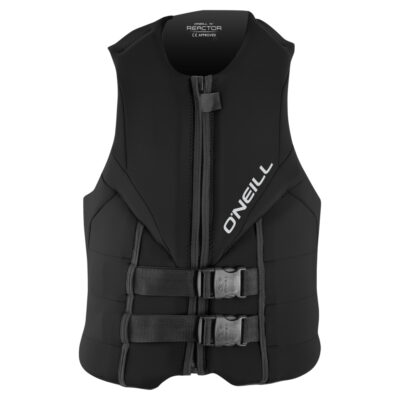
SUP and surfing aids are typically the most low-profile of all with minimal bulk, so they don't interfere with paddling or getting back onto the board.
If your activity has specific class rules or event requirements, it's worth checking those before you buy – some racing classes specify particular BA types or standards. Otherwise, the key is picking one designed for what you're doing as the fit and freedom of movement will make a real difference on the water.
Buoyancy aids and lifejackets are available in a range of buoyancy ratings to suit different activities and conditions:
- 50N Buoyancy Aids – Designed for competent swimmers taking part in active watersports such as kayaking, SUP, canoeing and dinghy sailing.
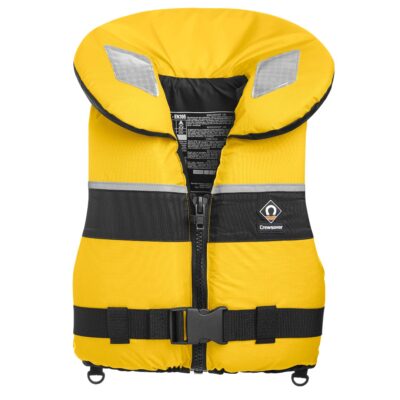
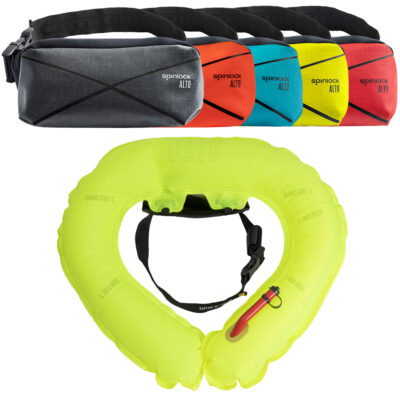
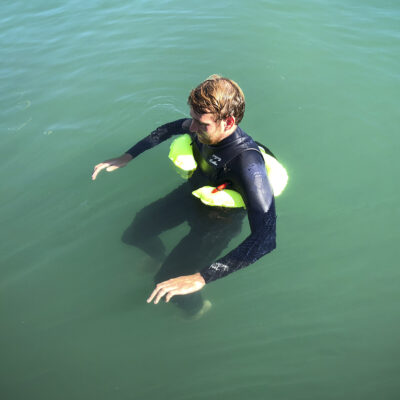
- 100N Lifejackets – Suitable for sheltered and inshore waters, providing greater buoyancy than a standard buoyancy aid.
- 150N Lifejackets – Recommended for offshore sailing and general boating, offering enough buoyancy to help turn an unconscious wearer onto their back.
- 275N Lifejackets – Designed for extreme offshore conditions, commercial use and situations where heavy clothing or equipment is being worn.
The higher the Newton rating, the greater the buoyancy provided in the water. Always choose a floatation device that is appropriate for your activity, environment and level of experience.
For more information on higher Newton aids, see our complete guide on how to choose a lifejacket.