



how to choose a buoyancy aid - a complete guide

Whether you’re setting out for a dinghy sail, paddling coastlines in a kayak, or heading out on a SUP for the weekend, choosing the right buoyancy aid is the most important safety decision you’ll make. This guide covers everything you need to know before buying a buoyancy aid. 

What’s the difference between buoyancy aids and lifejackets?

The term ‘buoyancy aid’ and ‘lifejacket’ are often used interchangeably, but they are fundamentally different pieces of safety equipment designed for completely different scenarios. 

WHAT IS A BUOYANCY AID?

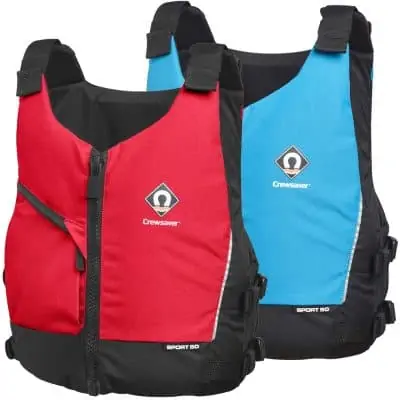
A buoyancy aid is a flotation device designed to support a competent swimmer in the water. It enhances your ability to stay afloat or tread water until help arrives but it will not roll an unconscious person face-up. Buoyancy aids are typically rated 50N and rely on foam panels rather than inflation so they work instantly and reliably in active water sports.

Because they’re lower-bulk and closer-fitting than lifejackets, buoyancy aids are designed for activities when you’re likely to end up in the water frequently; dinghy sailing, kayaking, paddleboarding and windsurfing. The slim fit allows more freedom of movement which is what makes them ideal when you’re paddling or clambering back onto a SUP board or into a dinghy.

WHAT IS A LIFE JACKET?

Life jackets are rated 100N, 150N or 275N and are designed to turn an unconscious person face-up in the water, keeping the airway clear. They are the appropriate choice when you’re sailing offshore, powerboating in open waters or in any situation where you might be incapacitated before rescue arrives. Most modern life jackets are inflatable, keeping them compact when not in use.  

We’ve created a handy comparison table below to help you understand the difference and ensure you’re making the right choice of buoyancy aid or life jacket for your activity. If a life jacket is better for your needs, also read our guide to choosing the best life jacket.

Feature

Buoyancy Aid (50N)

Lifejacket (150N+)

BUOYANCY AID

50N

100N, 150N or 275N

SELF-RIGHTS UNCONSCIOUS WEARER

✗  No

✓  Yes (150N+)

SUITABLE FOR COMPETENT SWIMMERS

✓  Yes

✓  Yes

SUITABLE FOR NON-SWIMMERS

✗  No

✓  Yes

FREEDOM OF MOVEMENT

✓  High

Limited

BEST FOR OFFSHORE SAILING

✗  Not recommended

✓  Yes


BEST FOR DINGHY SAILING / KAYAKING

✓  Ideal

Too bulky

ALWAYS READY

✓  Yes

Varies if auto or manual

If you are worried about having the right buoyancy aid for your sport, we stock a large amount of brands to cover the activity you’ll need it for! From great value options like Aqua Marine’s 50N zipper buoyancy aid, to technical buoyancy aids by Palm, perfect for angling, extreme kayaking and touring wherever your adventure takes you.

Take a look through our range of buoyancy aids by clicking on the brand logo’s.
If you need something more sporty, take a look at our specific category full of water sports buoyancy aids and you’ll find something perfect to suit everything from fishing to white water kayaking!

Which styles are best for dinghy sailing vs cruising?

Not all buoyancy aids are built the same. The cut, fit, zip position, foam thickness and features of a buoyancy aid are all designed with specific activities in mind. Here’s what to look for depending on how you sail.

Dinghy sailing buoyancy aids

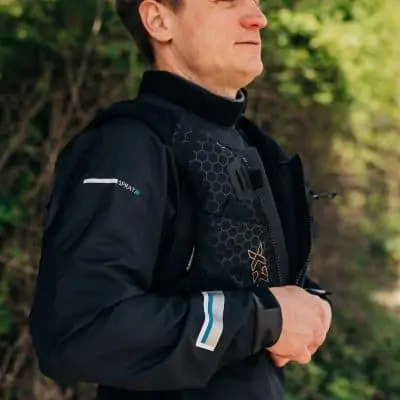
Key features to look for in a dinghy buoyancy aid include a high-cut front panel to allow free forward-bending movement (essential for leaning out and working the tiller), a smooth, snag-free exterior that won’t catch on rigging, adjustable waist and shoulder straps for a close fit that won’t ride up in the water, and compatibility with a trapeze harness. Side-zip styles are popular with dinghy racers as they fit more snugly against the body, reducing drag when you’re in the water. As well as a buoyancy aid, make sure to stay safe with a comfortable sailing helmet.

30%
OFF

BEST VALUE

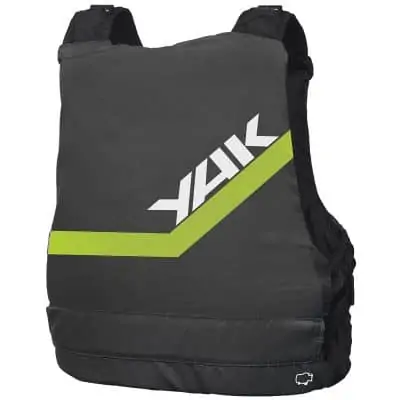
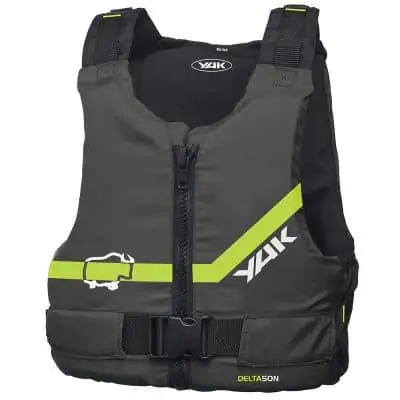
Amazing value for the recreational dinghy sailor, perfect for those looking for dependable safety gear at a lower price point. It features a no-fuss design with a front zip entry, making it quick and easy to get on and off. The fit is secure yet flexible, giving you good mobility whether you’re kayaking, paddleboarding, or sailing. Ideal for occasional use, it covers all the essentials without the higher cost.

See full Yak range

BEST FOR BEGINNERS

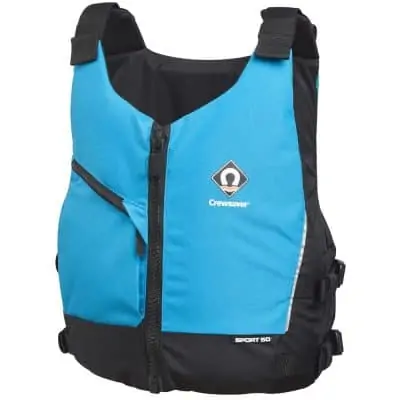
This is a great choice for beginners getting into watersports. Its lightweight, soft foam design and adjustable straps make it easy to wear and move in, helping new users feel comfortable and confident on the water. With simple features and a secure fit, it’s a reliable, affordable option for those just starting out.

See full Crewsaver range

BEST FOR RACING

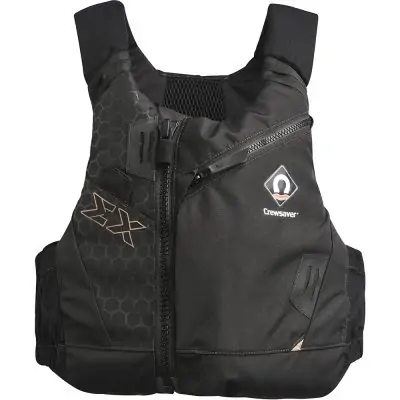
This is your race-focused option, designed for sailors who need performance and agility on the water. Its low-profile, ergonomic fit reduces bulk, allows for maximum freedom of movement when hiking or manoeuvring at speed. A close, reliable fit that stays in place during intense racing conditions. Sleek and technical, it’s a strong choice for those looking to step up from recreational gear into a more competitive setup.
 

See full Crewsaver range


Cruising & Coastal Sailing Buoyancy Aids

Comfort over long periods of time is more of a priority for keelboat sailors and those cruising coastal waters. You’re less likely to capsize than a dinghy, so you may spend hours wearing your buoyancy aid without going in the water.

Cruising buoyancy aids tend to be longer in the body, offer more padding, and often include features such as a crotch strap to keep the aid in place if you do fall overboard, a D-ring for tethering, and extra pockets for safety equipment, any LED flares, or a PLB. However, for offshore and open water sailing, a 150N lifejacket is strongly recommended over a 50N buoyancy aid. When kayaking it is important the buoyancy aid feels comfortable when sat down, something many people do not consider when trying these on in our shop. Brands like Palm & Gill specialise in buoyancy aids with an ergonomic fit, making your paddle as comfortable as possible whilst keeping safety at the forefront.

Different Styles of Buoyancy Aids

There are alternate styles of buoyancy aid based on the type of activity you are doing. For example, paddle boarders benefit from one with a side zip so the user doesn’t scrape or damage the board with the front zip, like Baltics Elite Buoyancy Aid! Other examples include Jobe’s Neoprene Life Vest, designed from a shorter body and soft neoprene fabric so going in and out of the water constantly doesn’t cause any irritation to the skin – perfect to wear if you’re out on the towables this summer,


Sizing and measurements

Most buoyancy aids are sized by chest measurement (in centimetres), body weight (in kilograms), or a combination of both. Always refer to the manufacturer’s size guide when ordering, sizing can vary significantly between brands. We attach each brands size guide to the product, but if you ever have an queries feel free to give us a call.

What’s the right buoyancy level for my activity?

Every buoyancy aid and lifejacket carries a Newton (N) rating. Newtons measure the upward force (buoyancy) the device provides in water, 10N is roughly equivalent to 1kg of buoyancy. The higher the rating, the greater the lifting force.

Rating

Type

What it does

Best for

50N

Buoyancy Aid

Supports conscious swimmers in sheltered water. Does not self-right. ~5kg uplift.

Dinghy sailing, kayaking, SUP, windsurfing

100N

Inshore Lifejacket

Keeps swimmers and non-swimmers afloat in coastal waters. May not self-right in rough conditions. ~11kg uplift.

Coastal sailing, inshore powerboating, fishing

150N

Offshore Lifejacket

Self-rights an unconscious wearer. Keeps airway clear. ~15kg uplift.

Offshore sailing, rough weather, non-swimmers

275N

SOLAS Lifejacket

For extreme offshore conditions and heavy survival clothing.

Commercial use, extreme offshore passages

Newton ratings assume standard body composition.  Heavier users, those wearing thick wetsuits, or those in fast-moving water may require a higher rating than the minimum recommended. When in doubt, choose one level up.

How should a buoyancy aid fit?

A poorly fitting buoyancy aid is a safety risk. One that’s too loose can ride up over your face in the water, one that’s too tight will restrict your breathing and movement. Getting the fit right is just as important as choosing the right newton rating. Feel free to visit our store in Port Solent and our staff can guide you through how your buoyancy aid should be fitting and help you decide if front, pull over, or side zip is for you!

Measurements

Typically buoyancy aids follow your natural size, if you are a ‘large’ in a jacket you should be the same for your buoyancy aid. But it’s always worth checking the size guide or if you can, come down to our store. 

Head: The circumference of the broadest part of your head, a little way above your eyebrows and ears.

Chest: Horizontally under the armpits and around the fullest part of your chest and shoulder blades.

Bust: Horizontally around the fullest part of your bust

Waist: The circumference at the smallest part of your stomach. For most women this is about an inch above your belly button. For men it is usually at the top of your hip bone.

Hips: The circumference at the fullest part of your hips.

Choosing a buoyancy aids by activity 

The right buoyancy aid depends on your sport. Here’s a quick guide to the key considerations for the most popular watersports.

Buoyancy aid for kayaking and canoeing

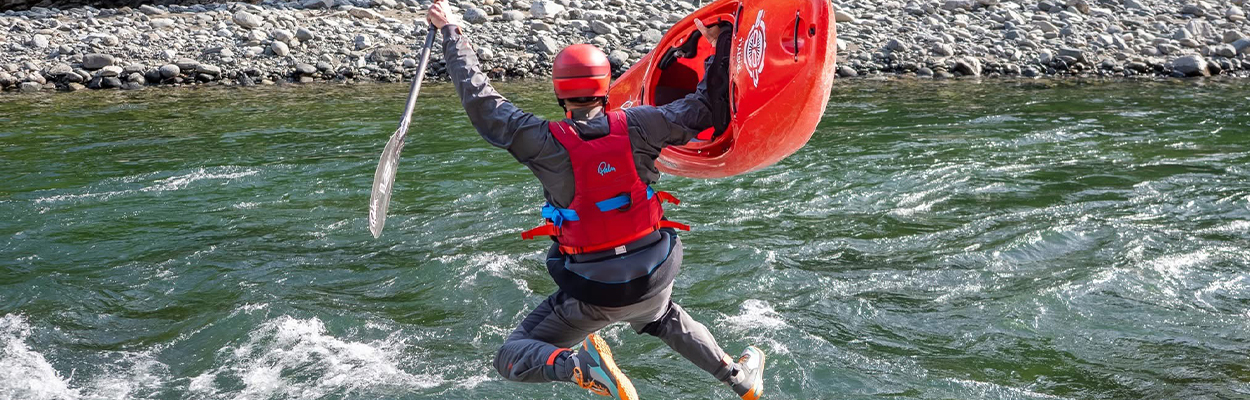
The best buoyancy aid is one you’ll hardly notice you’re wearing. Look for a secure, adjustable fit that allows you to paddle freely, and lightweight, durable materials for all-day comfort. Handy storage pockets, bright colours, and reflective details are also worth considering for kayaking, helping you stay organised and visible every time you head out on the water.

Take a look here:

Buoyancy aids for stand up paddle boarding (SUP)

Comfort and freedom of movement are key when paddle boarding. Choose a lightweight, low-profile buoyancy aid that won’t restrict your paddling or balance. A secure, adjustable fit, breathable materials, and bright colours for added visibility will help you stay safe and comfortable, whether you’re cruising on calm waters or exploring further afield touring in coves.

Look here:

Buoyancy aids for dinghy racing & sailing

When every movement counts, a streamlined buoyancy aid can make all the difference. Look for a close-fitting, low-bulk design that offers unrestricted movement, lightweight comfort, and secure adjustability. Durable materials and a flexible fit will keep you comfortable through tacks, gybes, and long days on the water, allowing you to focus on your performance. Many come with pockets so you can store any race notes.

View our range here.

Buoyancy Aid Frequently Asked Questions:

No – there's no law that requires you to wear a buoyancy aid on recreational waters in the UK. That said, the Maritime and Coastguard Agency strongly recommends wearing one for any activity where there's a risk of falling in. Many sailing clubs and water sports centres make buoyancy aids mandatory for their own safety rules, particularly for juniors.

Inspect your buoyancy aid before and after every season. Replace it if the foam panels feel compressed or have lost their spring, the outer fabric is torn, abraded or delaminating, buckles or zips are broken or corroded, or the stitching on load-bearing seams is coming apart. There's no fixed expiry date for foam-based buoyancy aids, but most manufacturers recommend replacing them every five to ten years depending on use and condition.

Yes, but bear in mind that a wetsuit adds buoyancy of its own, which affects how your buoyancy aid fits and performs. Size up if you plan to wear a thick wetsuit regularly, and re-check the fit on the water before committing to a session. A buoyancy aid that fits neatly over a rash vest may ride up or feel restrictive over a 5mm wetsuit. If you're between sizes, trying both combinations before buying is well worth the effort.

They look similar but serve different purposes. A buoyancy aid is safety equipment designed to help you stay afloat in the water. An impact vest is primarily protective gear – built to absorb the shock of hitting the water at speed or colliding with a board, rocks or obstacles. Impact vests are common in wakeboarding, bodyboarding and wave sports. Some impact vests offer a degree of buoyancy, but they are not rated or certified as buoyancy aids and should not be relied on as a substitute. If you're doing something where both impact protection and buoyancy matter, look for products that carry both certifications.

Yes. Cold water shock can incapacitate even the strongest swimmer within seconds of entering the water as cold conditions trig a gasp reflex and can cause hyperventilation, muscle failure and disorientation regardless of your fitness or technique. A buoyancy aid keeps you at the surface while your body recovers.

Rinse with fresh water after every use, particularly after saltwater sessions. Salt and grime left in the fabric and buckles will degrade the materials over time. Use mild soap if needed and rinse thoroughly. Leave it to dry naturally in a well-ventilated area, away from direct sunlight (UV breaks down foam and fabric faster than most people realise). Never tumble dry or leave it draped over a hot radiator.