


Everything You Need to Know About Drysuits
If you spend any time around the UK’s coast, rivers and lakes, you’ll notice that cold water wins every time. It can make or break your experience, and we want to help make the most out of your time on the water!
When it comes to surface dry suits, we understand there is a lot to know. They can make or break your experience out on the water. We want to keep you out as long as possible whilst being warm, comfortable and dry.
We’ve put together our need to know guide covering everything from the tech behind the suits, features and our pro fitting tips.
You can shop by brand, with names like Musto, Yak & Helly Hansen with a range to suit any budget. From entry level suits to those pros chasing adventures, we have something for everyone.






What is a Surface Dry Suit?
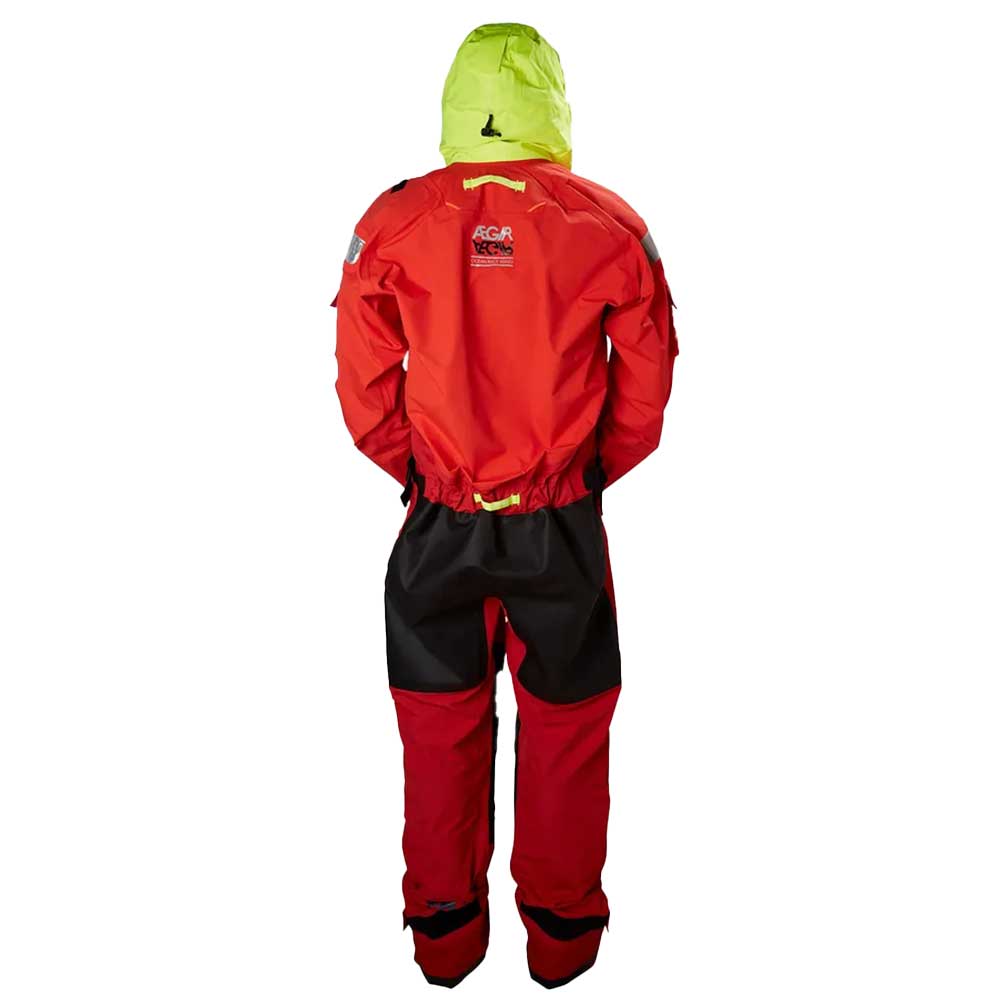
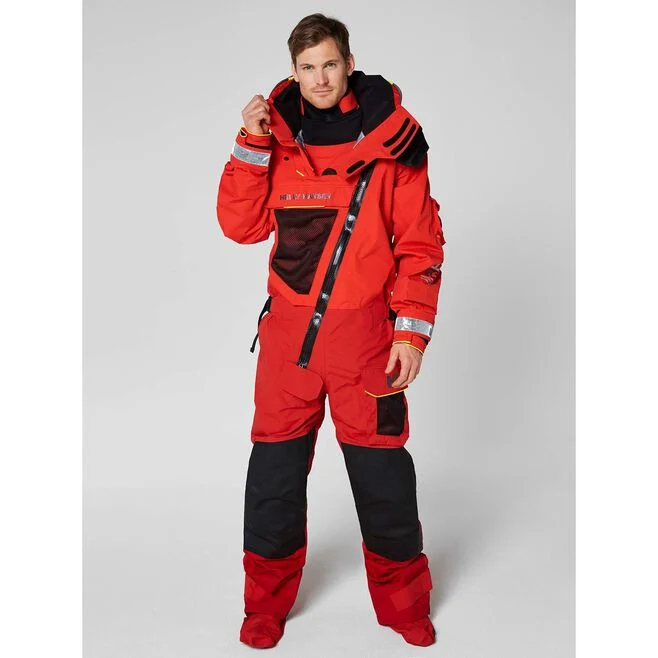
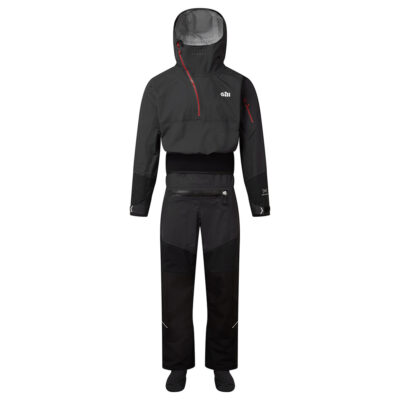
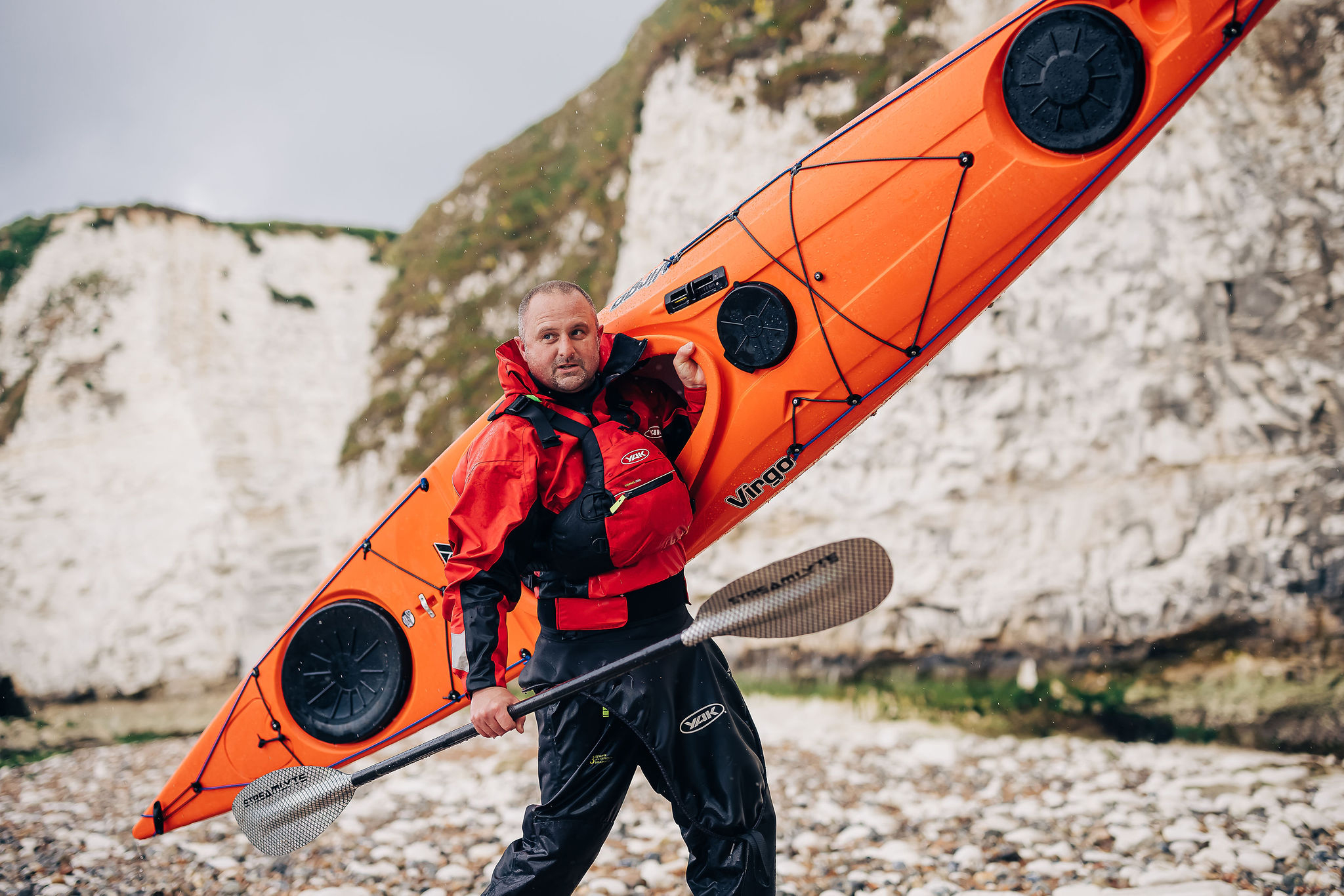
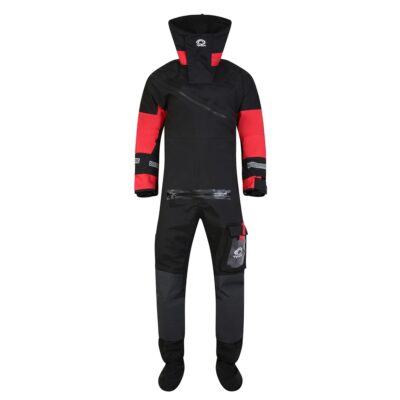
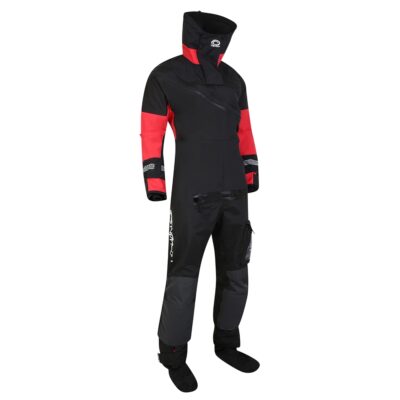
A surface drysuit is a fully waterproof outer layer designed to keep you dry during surface-level watersports and outdoors activities. Unlike wetsuits, which traps a layer of water to warm the body, dry suits prevent water entering entirely, giving you the chance to control insulation with layers underneath!
Overview
A dry suit provides thermal insulation or passice thermal protection, meaning no water can enter. They are typically favoured by kayakers, dinghy sailors, SUP enthusiasts and anyone that needs that little bit extra protection against the elements.
Dry suits are widely used by:
- Paddleboarders
- Kayakers
- Dinghy Sailors
- Cold Weather Enthusiast
What’s the Difference Between a Drysuit & a Wetsuit?
One of the most common questions we get is whether a dry suit is a fancier version of a wetsuit. In reality, they work in completely different ways.
A wetsuit allows water in and relies on body heat to warm the trapped layer. For most people, this works well, especially during high activity sports & shorter session. But it offers limited protection against wind and prolonged exposure to the elements. Use this guide by water temp ->

How should it fit?
When choosing a dry suit we recommend trying them on (if you can). You want it to be tight enough to ensure the seals will stay dry, but be comfortable to still have enough range of movement for the activity you’ll be doing!
Remember, you’ll also need room for any layers underneath for thermal protection, especially with membrane dry suits.
Make sure there is enough room in shoulders and knees for movement without the excess bulk. Pro Tip: when you put you dry suit on, before you zip, crouch down to your knees to let all the air pass out 🙂 !

Layering underneath
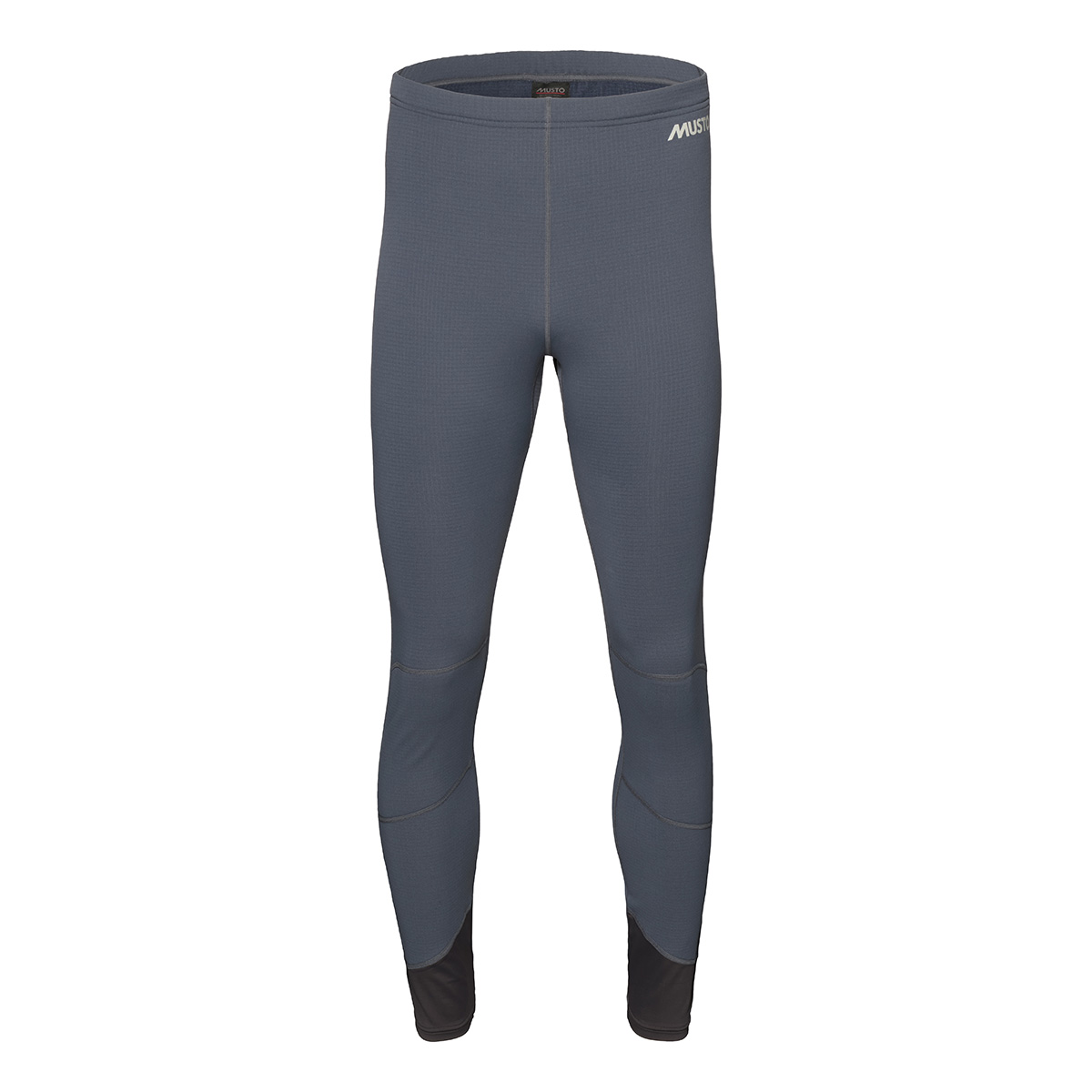
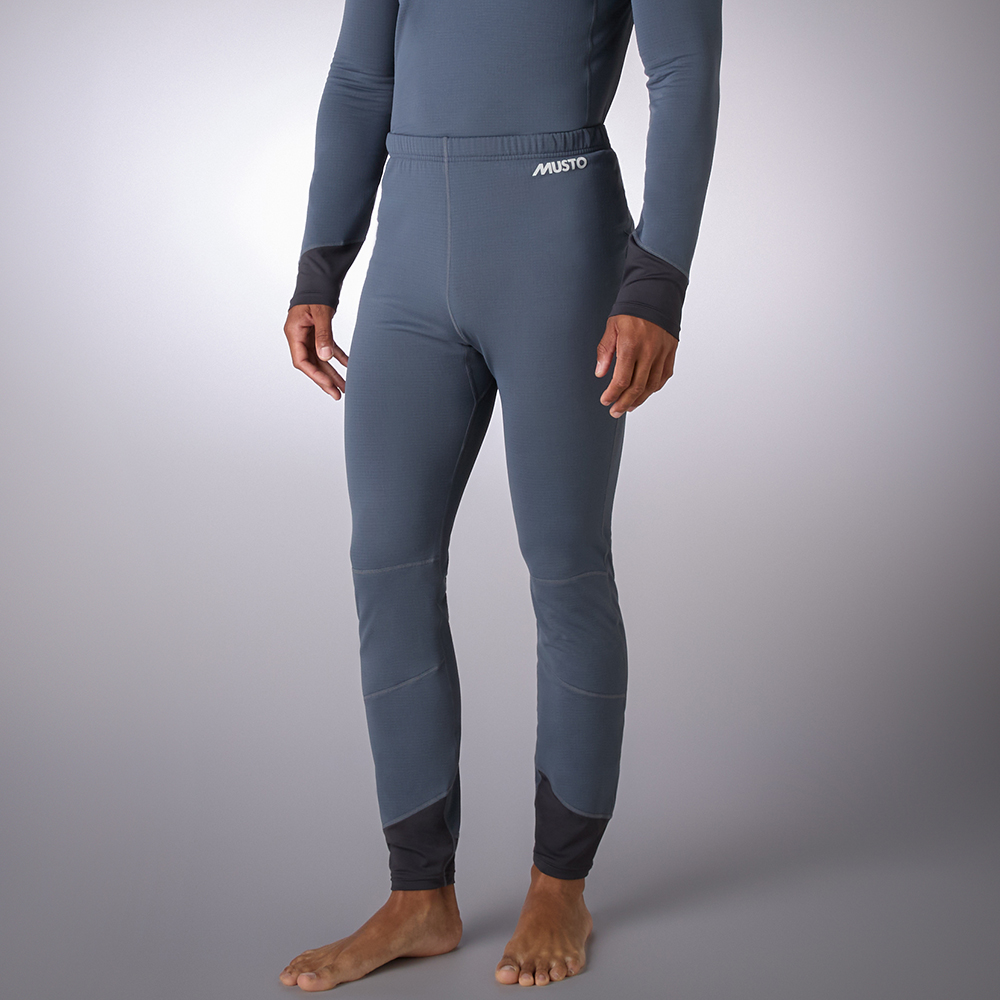
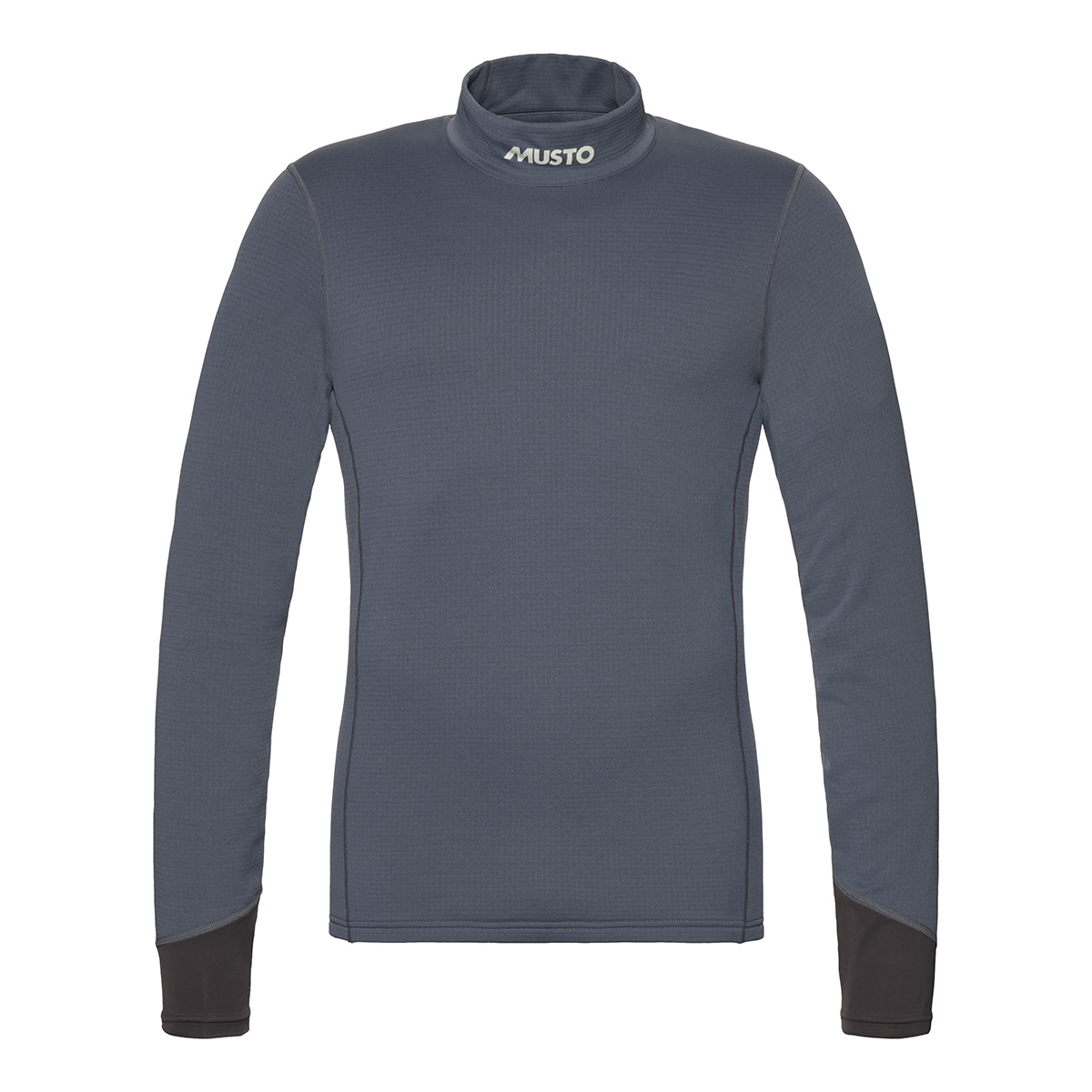
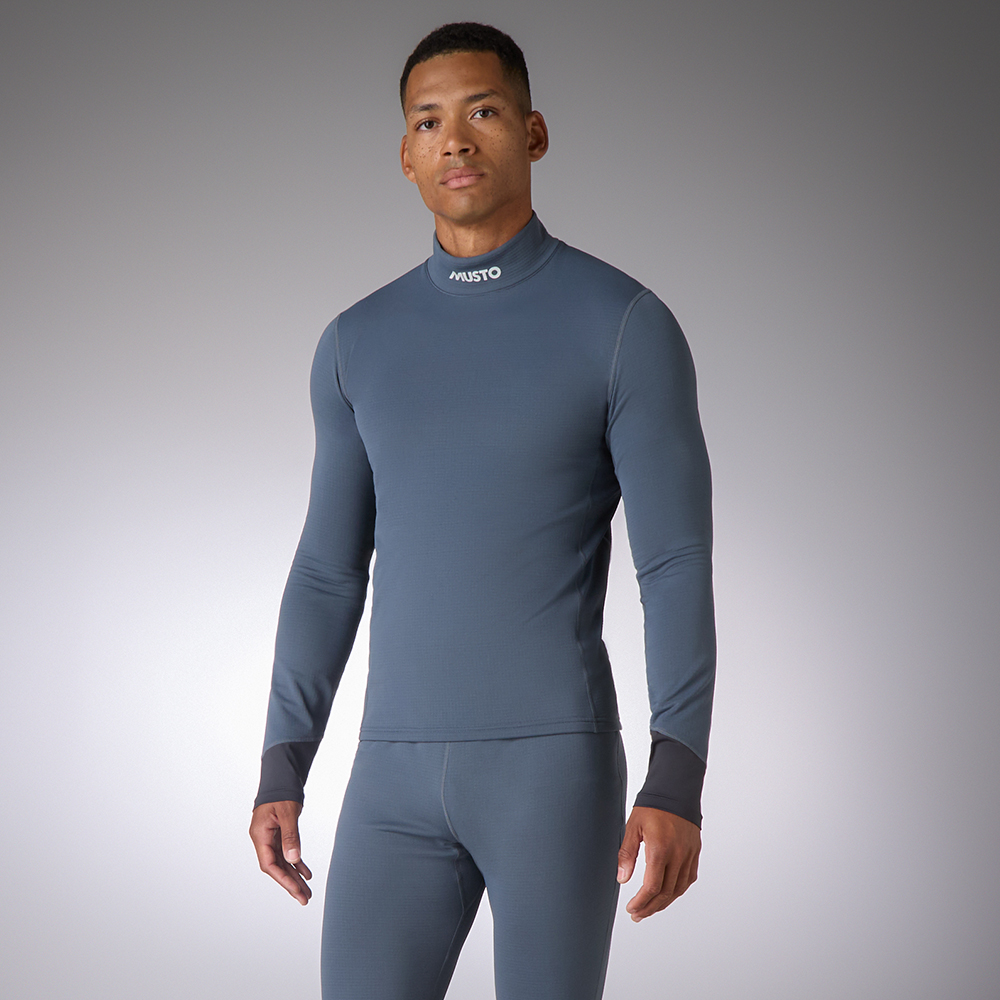
The suit itself is not designed to provide warmth, so layering is essential.
Base layers: Avoid cotton wherever you can as for the base layer you want materials which are ‘moisture wicking’. Cotton absorbs moisture. Try merino wool or synthetics.
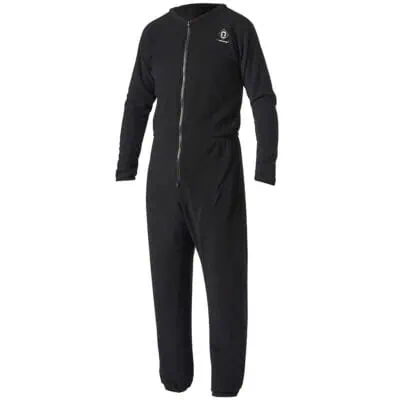
Mid layer: This is where insulation comes from, something warm like a fleece would be great here.
Outer layer: In most cases, the dry suit is the outer layer. However, in adverse conditions some go for another layer of thermals.

38%
OFF
OFF

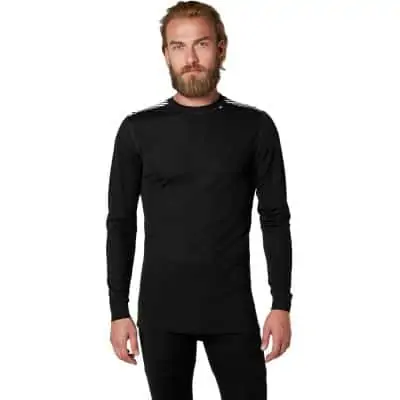
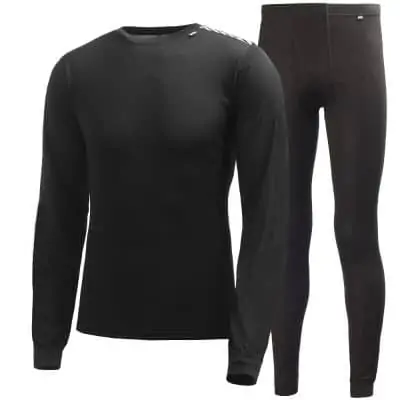
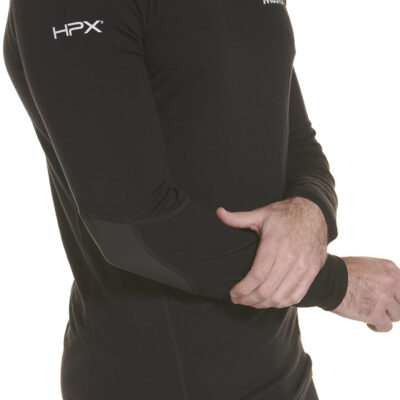
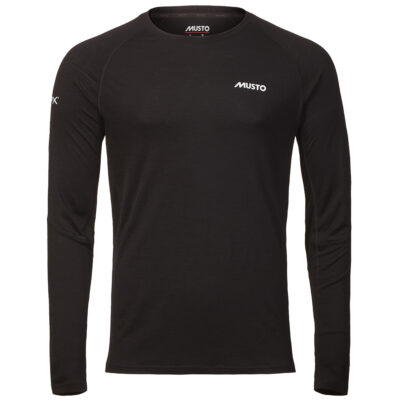
Key features
This will vary between brands but here’s some considerations:
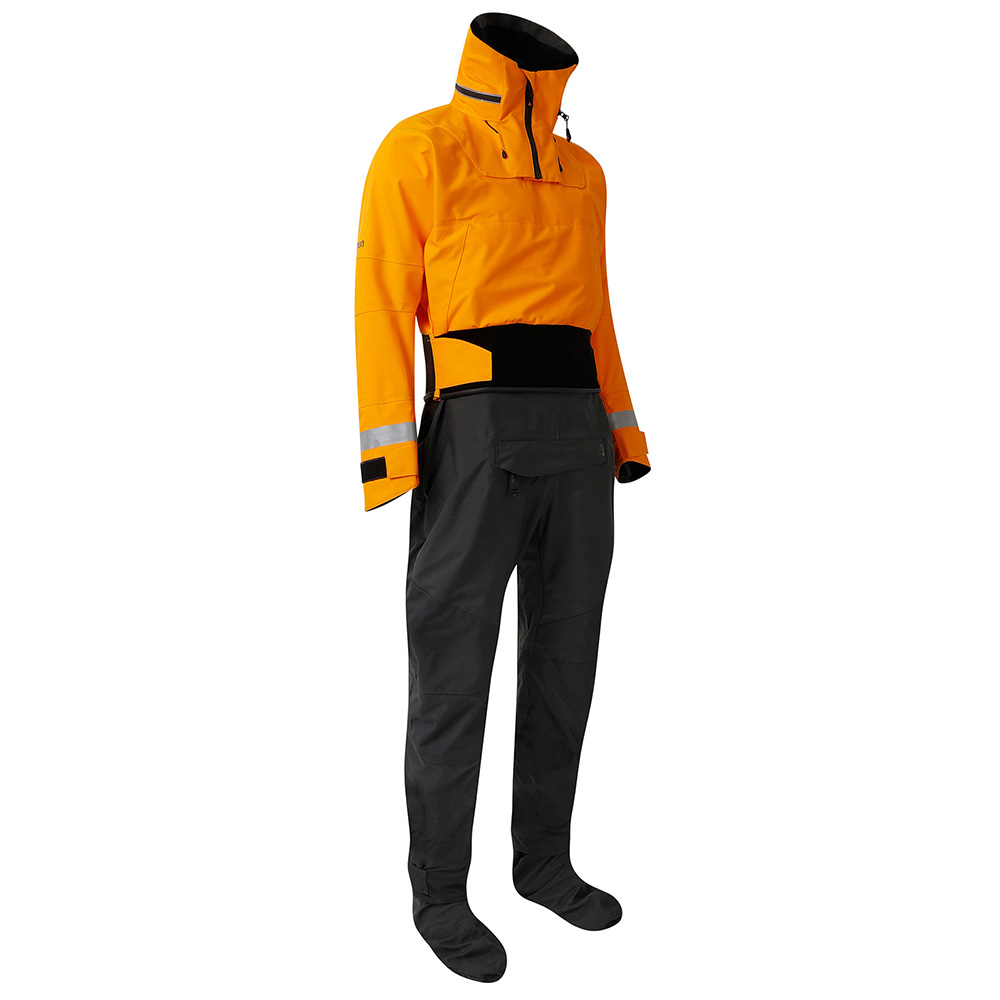
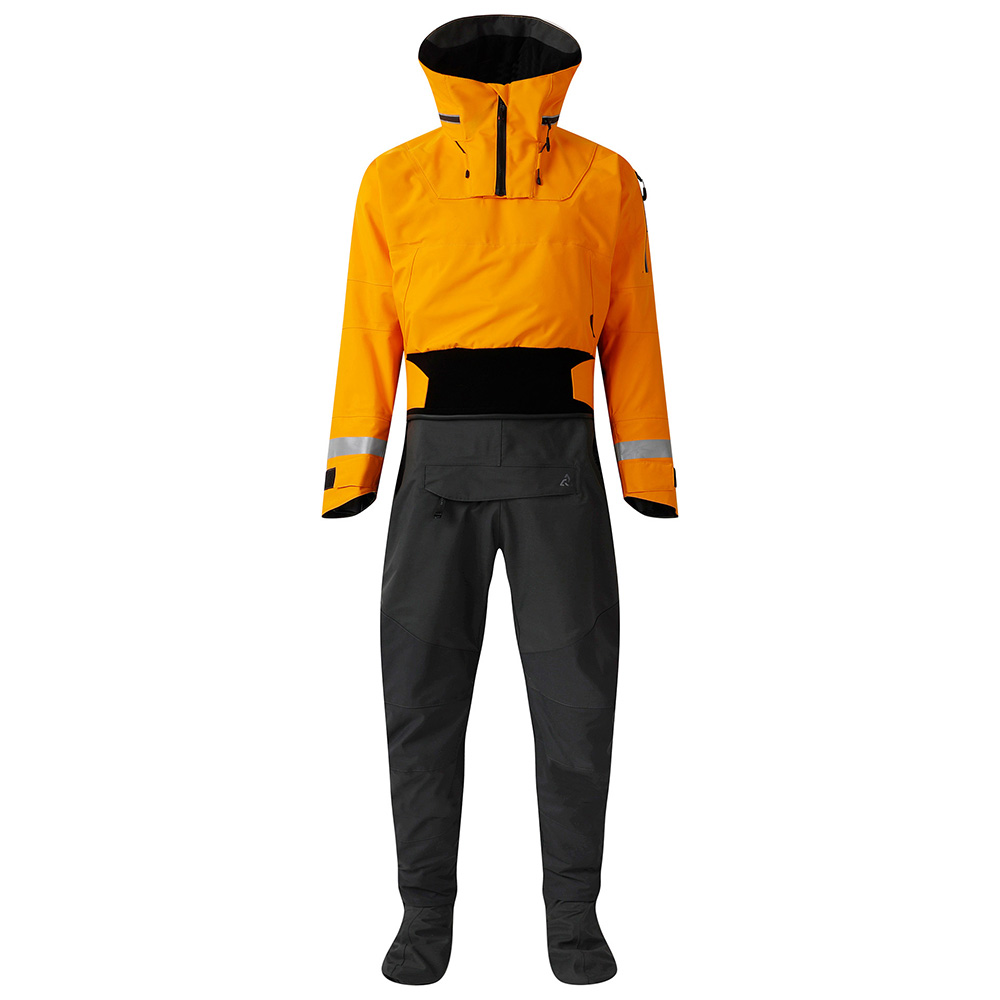
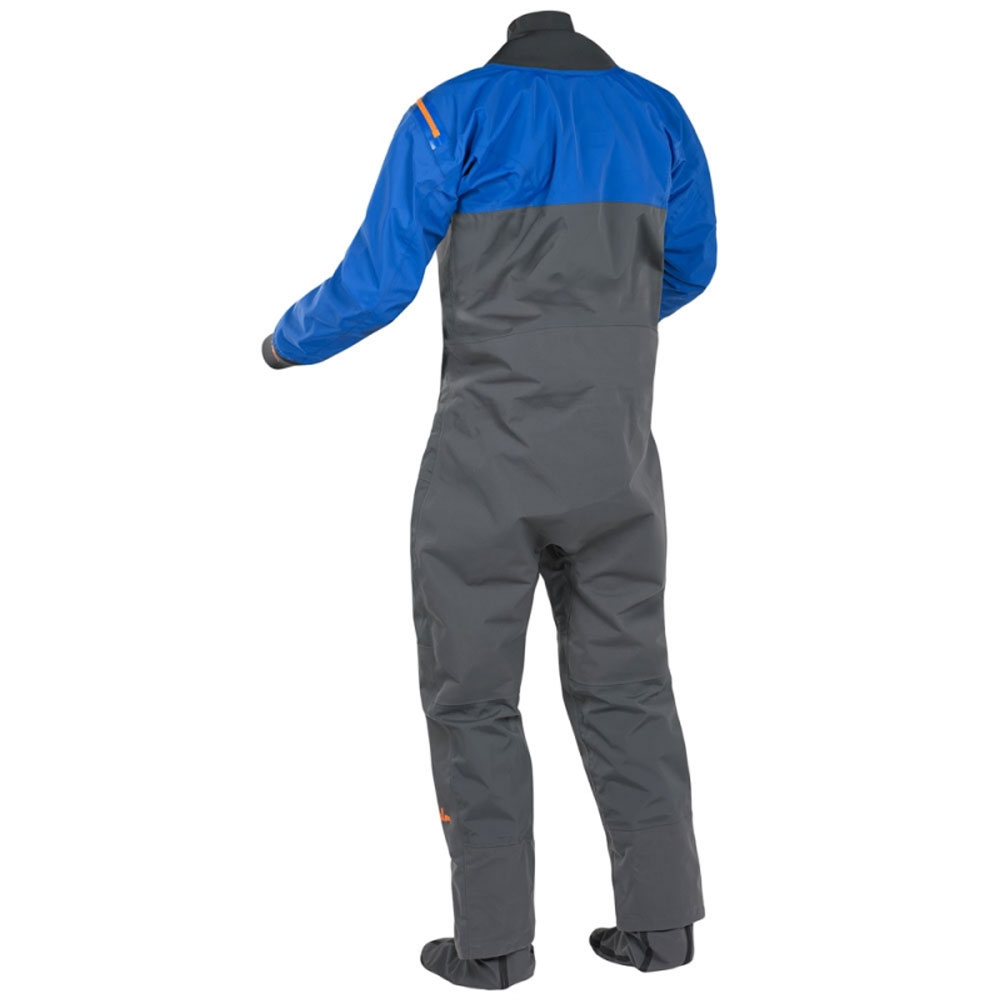
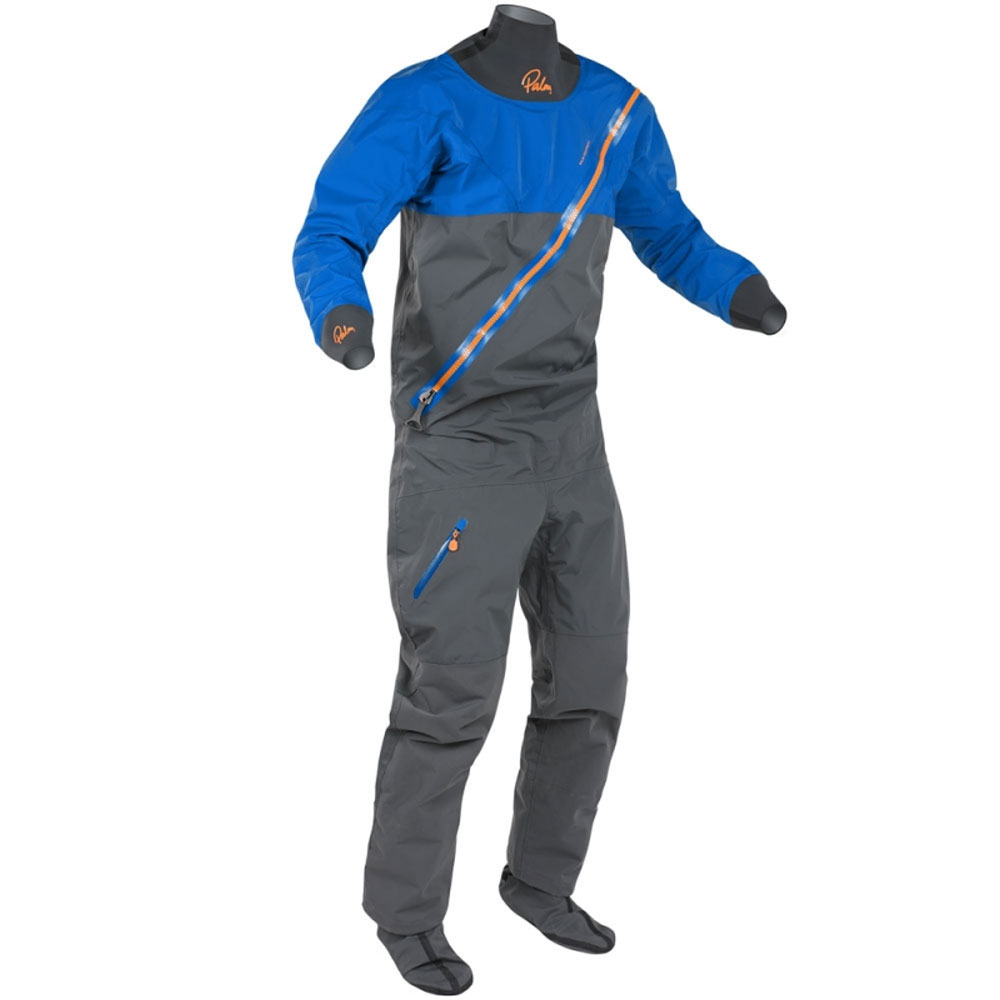
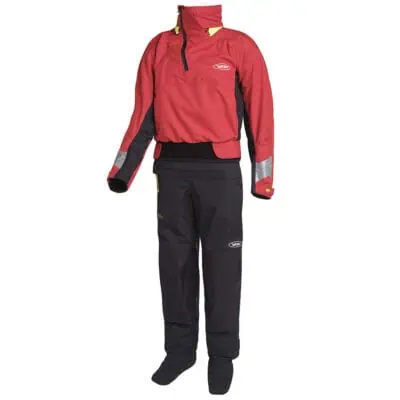
MATERIAL: When you choose your dry suit, the material will affect the weight, flexibility, and insulation. Neoprene offers built in insulation can be bulkier. Membrane suits are typically more versatile but good base layers will be needed to stay warm.
SEALS: Look for good-quality seals around the neck, wrists and ankles, as these are the key points for keeping water out. Typically they have either latex or neoprene seals, with latex being more flexible but less durable, and neoprene being sturdier but tighter.
ENTRY SYSTEM : With dry suits, there are two main types of entry system: front-zip and back-zip.
ACCESSORIES: Look for reinforced knee and seat areas if you are kayaking or paddleboarding
Wetsuits and dry suits both solve the same problem: keeping you functioning in cold water conditions. However this is done with very different approaches, with wetsuits letting water in and dry suits completely blocking it.
Choosing the right one will depend entirely on your needs. Water temperature, activity intensity, how long you’ll be on the water, movement flexibility will all vary based on
We’ve designed this guide to cut through the technical jargon and help you make your decision that little bit easier.


Our Favourites
Shop our latest and favourite picks from out selection, tried and tested by our very own.

49%
OFF
OFF

37%
OFF
OFF

72%
OFF
OFF