


Choosing the right sailing boots makes a real difference to how comfortable you are on the water. A good boot keeps your feet warm, dry and gripping the deck, while the wrong pair can leave you cold, uncomfortable, or slipping around when conditions get tricky.
But with offshore boots, coastal boots, dinghy boots, leather boots, rubber boots and neoprene boots all sold as “sailing boots”, it’s easy to be unsure which pair is right for you.
Drawing on our years of fitting sailors with exactly this kind of kit, this guide explains everything you need to know before you buy, from the difference between boot types to materials, insulation, sizing and waterproofing, so you can choose your next pair of sailing boots with confidence.
What’s the difference between offshore, coastal and dinghy boots?
Sailing boots are built for very different jobs depending on where you sail, so manufacturers design them around three broad categories. Picking the right one is the biggest factor in deciding which sailing boots are best for you.
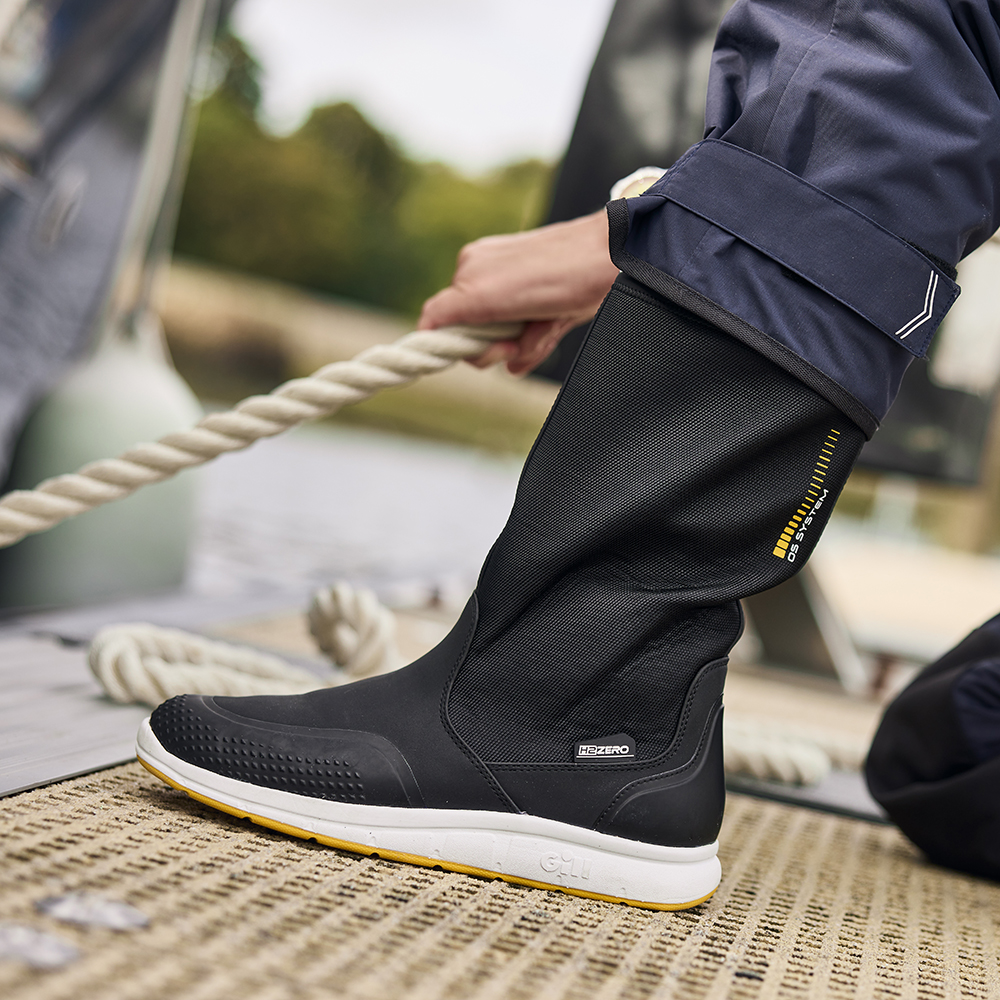
Offshore Boots
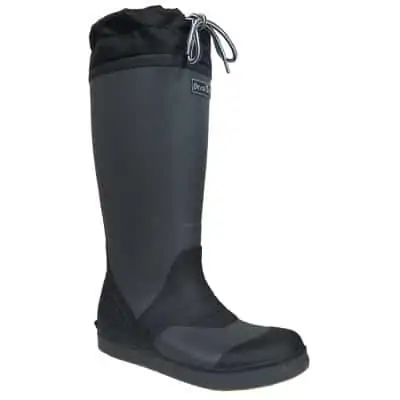
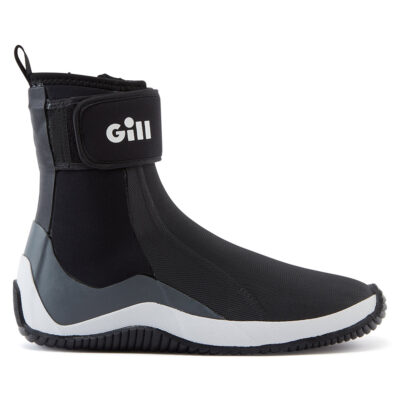
If you’re asking what are the best offshore sailing boots for your next trip or passage, look for a tall boot (usually mid-calf or higher) with a reinforced, non-marking sole for wet, moving decks, a fully waterproof and breathable construction, and enough insulation to cope with long, cold night watches.
Offshore boots are built for extended time on deck in open water, so durability and warmth matter more than low weight. They’re the natural partner to a good set of sailing jackets and sailing trousers for anyone heading further offshore.
Coastal Sailing Boots
Coastal boots sit in the middle ground. They’re still fully waterproof, but tend to be lighter, lower-cut and less heavily insulated than an offshore boot, since you’re less likely to be exposed for hours at a time.
Coastal sailing boots and sailing wellington boots are a popular choice here, giving reliable protection from spray and rain without the bulk of an offshore boot. This makes them a comfortable, do-it-all option for weekend sailors, cruisers and anyone pottering along the coast.
Dinghy Sailing Boots
Dinghy sailing boots are built around a completely different priority: mobility. You’ll spend a dinghy sailing session hiking out, tacking, gybing and regularly getting your feet wet, so the best dinghy sailing boots are low-cut, flexible around the ankle, quick-draining or quick-drying, and gripping wet decking and grass equally well.
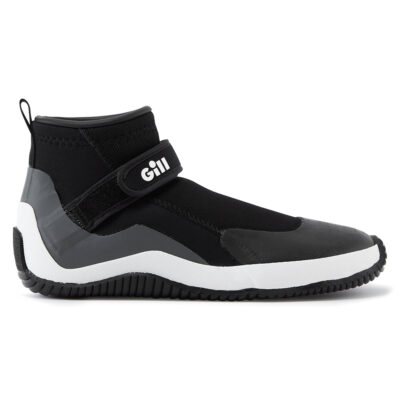
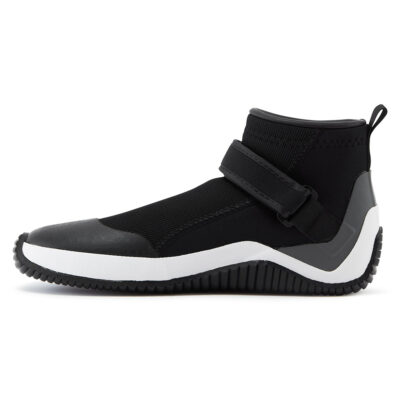
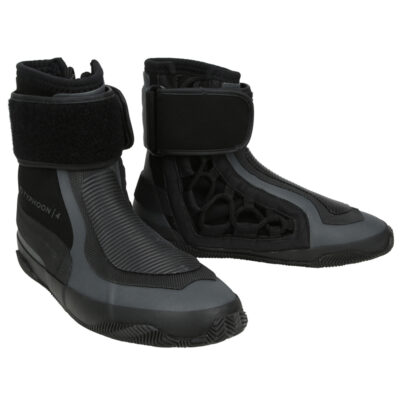
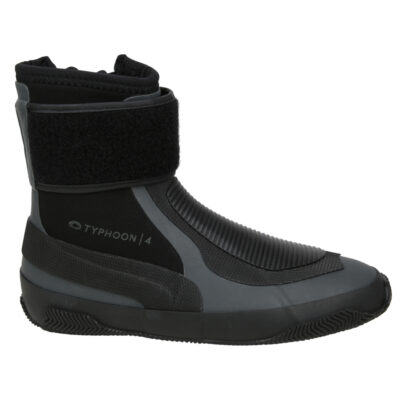
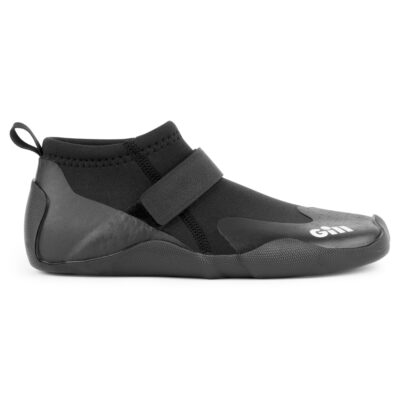
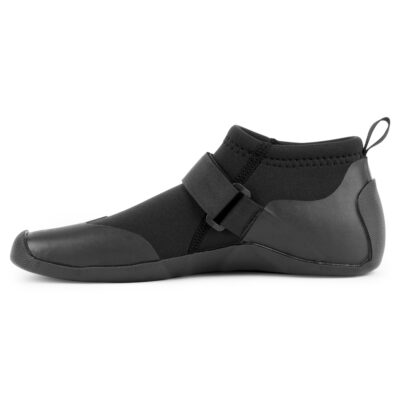
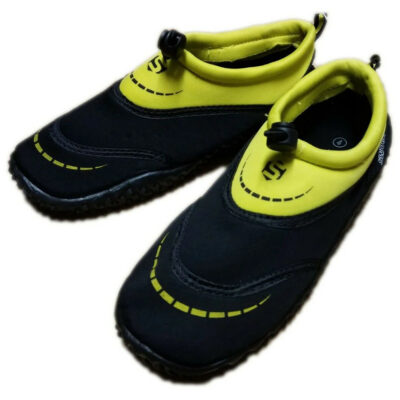
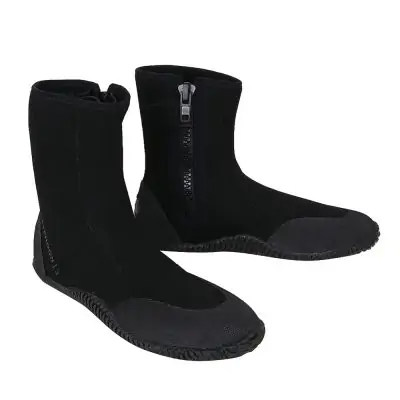
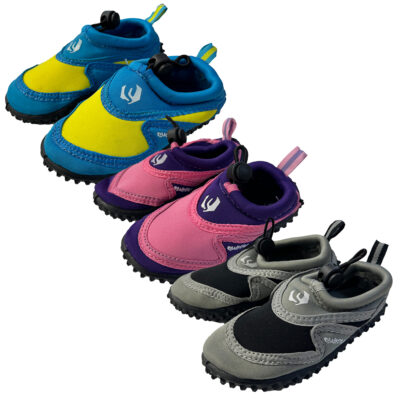
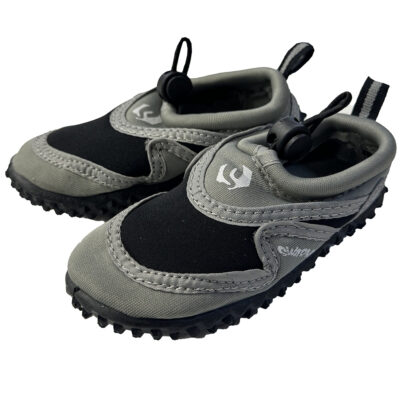
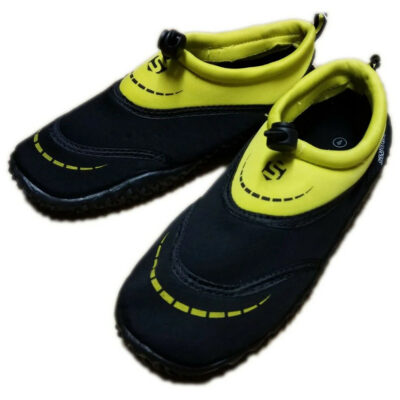
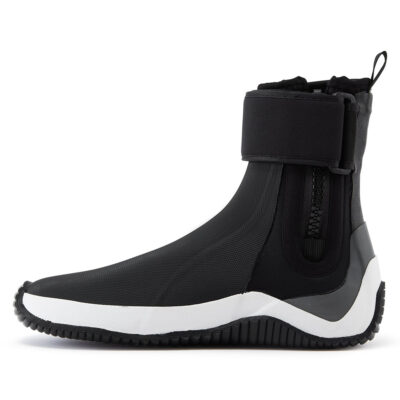
Many sailors choose neoprene sailing boots or sailing wetsuit boots for dinghy sailing, since the stretchy, close fit moves with your foot and drains water fast rather than filling up like a traditional boot.
If you sail dinghies in summer, it’s also worth browsing boat and deck shoes or sailing trainers as a lighter alternative on warm days.
|
Boot Type |
Height |
Insulation |
Best For |
|
Offshore |
Tall (mid-calf+) |
High |
Long passages, night watches, cold and rough weather |
|
Coastal |
Mid-height |
Medium |
Weekend sailing, cruising, changeable conditions |
|
Dinghy |
Low-cut/ankle |
Low or none |
Racing, capsize recovery, warm-weather sailing |
Do I need thermal insulation in summer?
For most summer sailing, no. A fully insulated offshore boot in warm weather will leave your feet overheating and sweating, which is uncomfortable and can actually make your feet feel colder once you do get wet, as damp socks lose their insulating power.
In summer, most sailors are better off in an uninsulated or lightly lined waterproof sailing boot, a neoprene sailing boot, or simply a pair of boat and deck shoes.
The exception is dawn starts, offshore passages or sailing in northern waters, where the air and water temperature can still catch you out even in June. If you’re planning any of the above, a light thermal boot sock underneath a summer boot is usually a better solution than switching to a fully insulated winter boot.
What insulation levels work best for cold-weather sailing?
For autumn, winter and offshore sailing, insulation becomes far more important, particularly on long passages where your feet are static for hours at a time.
Look out for the following when comparing cold-weather boots:
• Thermal linings – Fleece or brushed linings trap warm air close to the foot and are the minimum you’d want for a UK winter.
• Neoprene panels – Neoprene sailing boots retain some warmth even when wet, which makes them a good hybrid option for cold, wet dinghy sailing.
• Multi-layer construction – The warmest offshore boots use a waterproof/breathable membrane plus a separate thermal layer, rather than relying on a single thick lining.
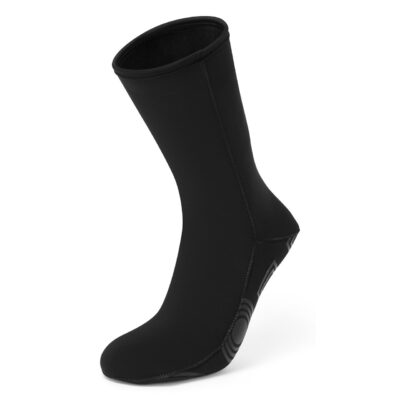
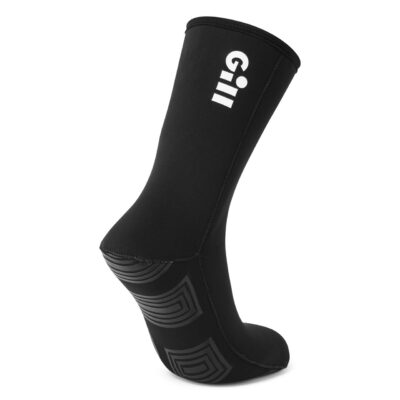
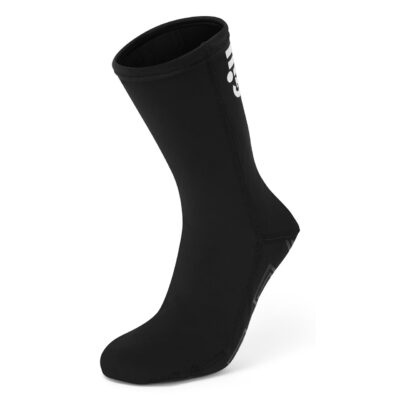
• Boot socks – A dedicated merino or technical boot sock adds a layer of extra warmth without bulking out the fit of the boot itself.
As a rule of thumb, the colder and longer the trip, the taller and more insulated the boot should be, which is exactly why offshore boots are built the way they are.
What are sailing boots made from?
Material has a big effect on warmth, weight, waterproofing and how a boot handles being repeatedly wet and dry.
Leather Sailing Boots


£299.00 £299.00 £279.95

£199.95 £164.95
£139.95 £114.95
£260.00 £149.95

£280.00 £199.95 £179.95
£280.00 £199.95 £179.95
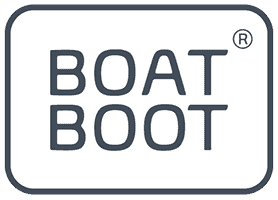
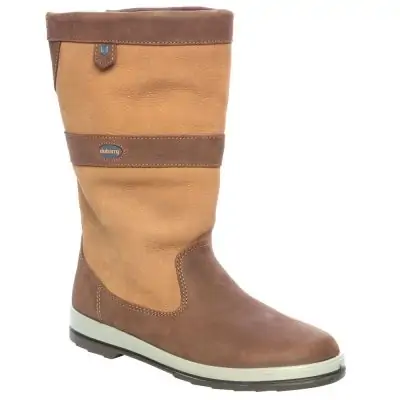
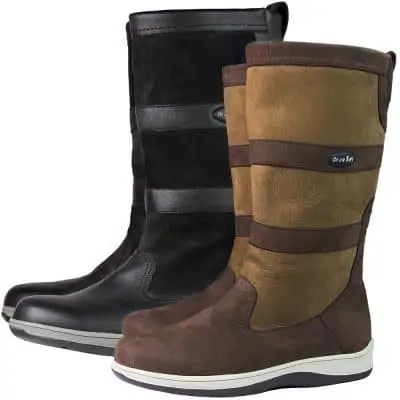
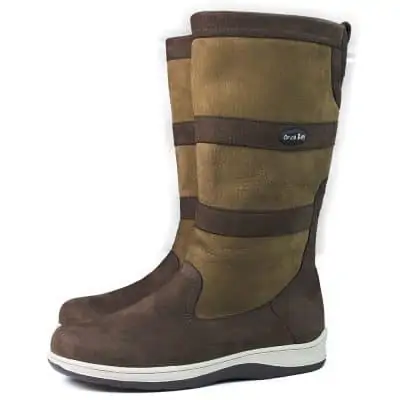
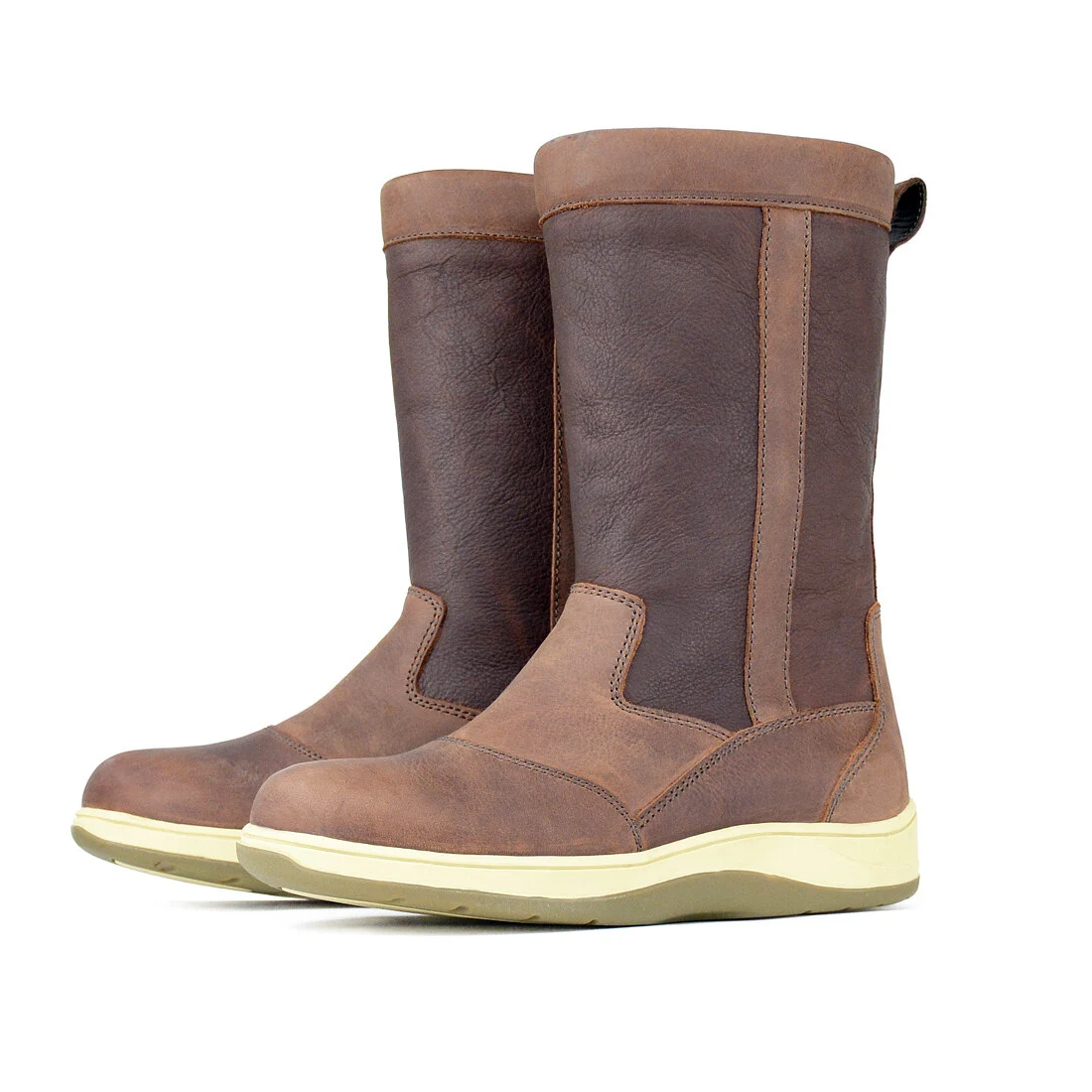
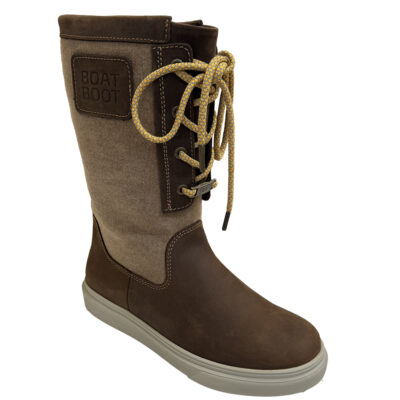
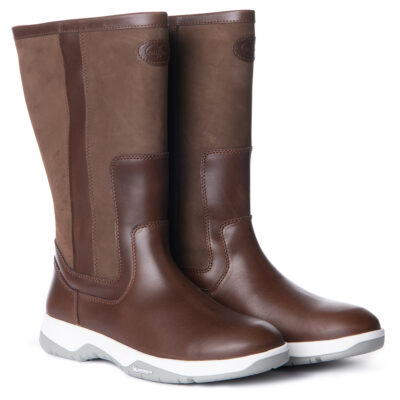
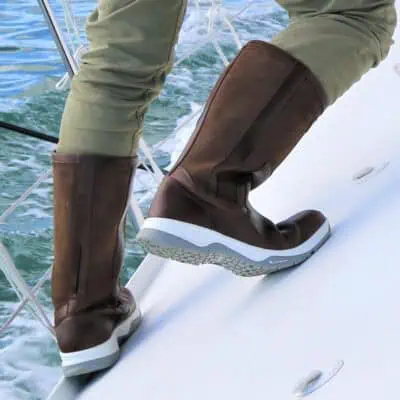
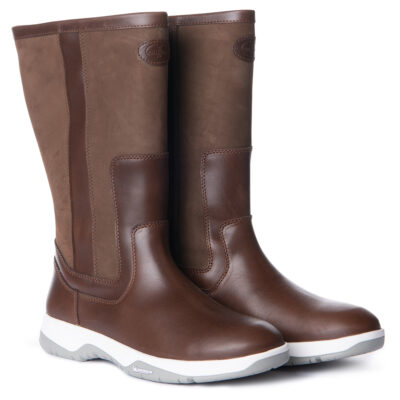
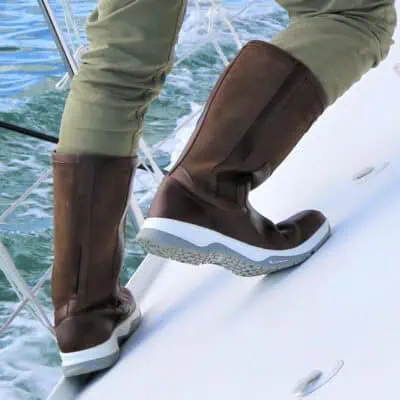
Leather sailing boots, such as those from Dubarry, are typically waxed or treated to resist water while remaining breathable and tend to look smarter than a rubber boot both on and off the boat. They’re a popular choice for coastal and offshore sailors who want a boot that performs on deck and is equally comfortable once ashore.
Leather boots do need occasional reproofing to maintain their waterproofing. We stock a full range of shoe care for sailing boots and, with proper care, your boot should last for years
42%
OFF
OFF

36%
OFF
OFF
36%
OFF
OFF
Rubber & Wellington-Style Sailing Boots

£65.00 £44.95

£75.00 £59.95
£70.19 £39.95
£79.95 £59.95
£55.00 £44.95
£75.59 £49.95
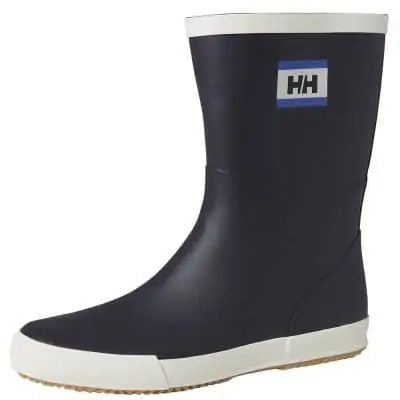
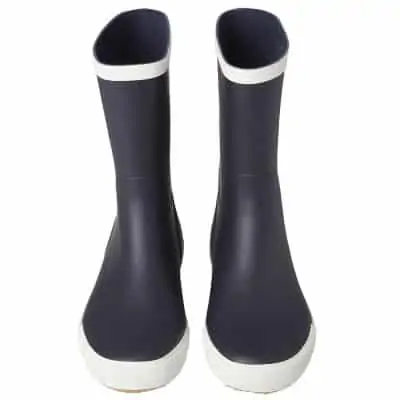
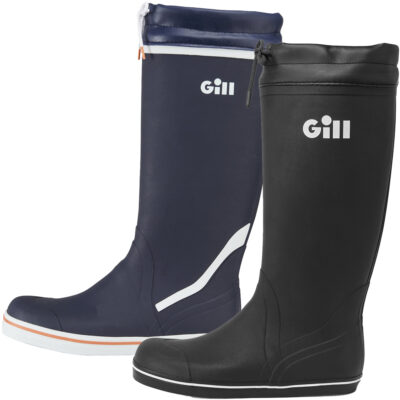
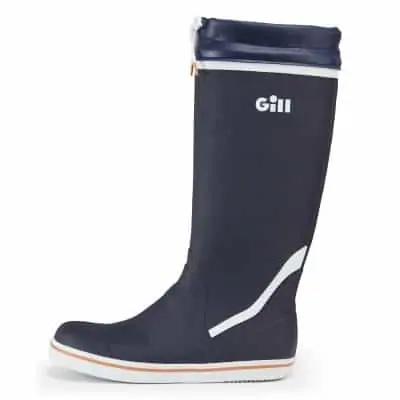
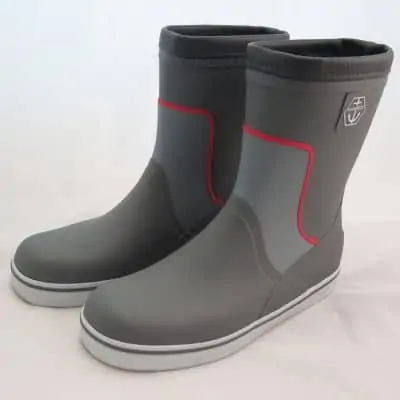
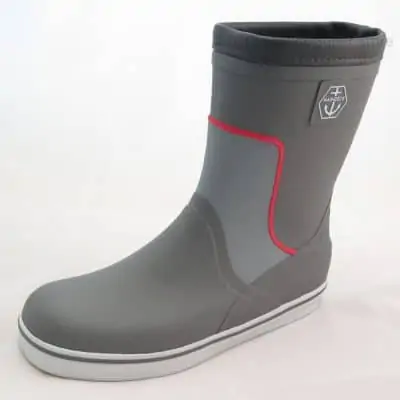
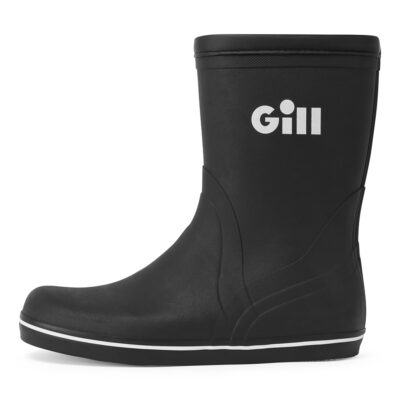
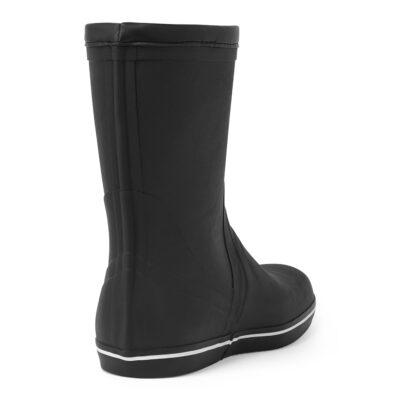
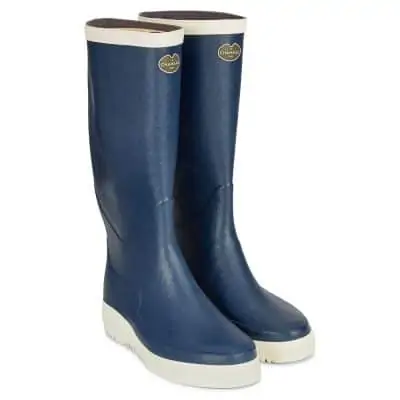
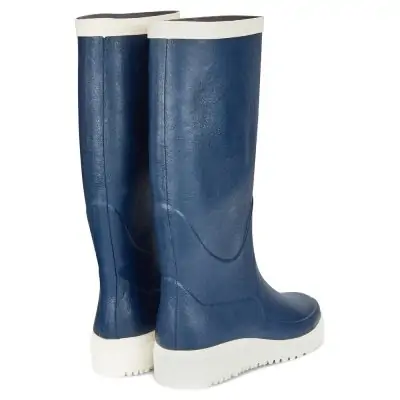
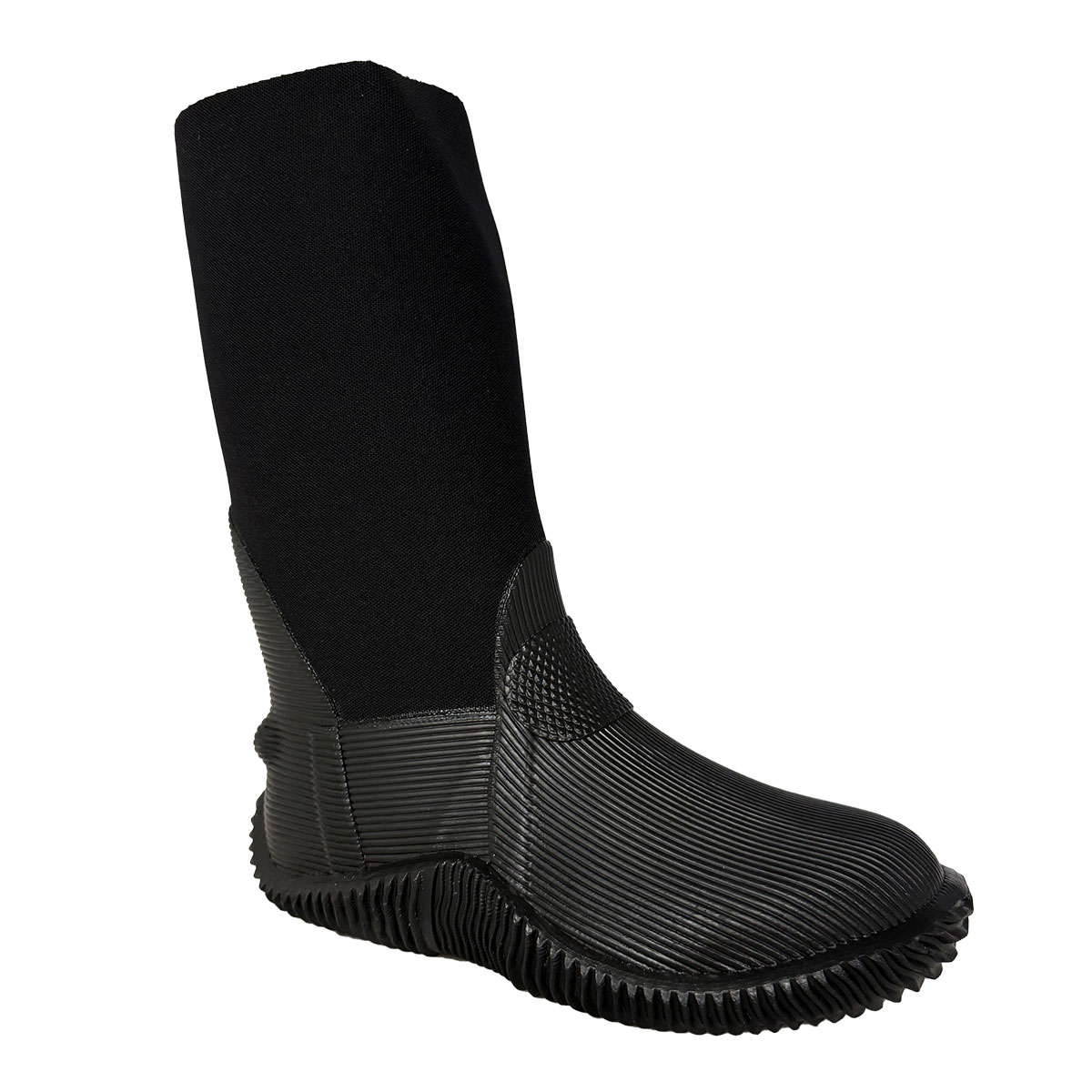
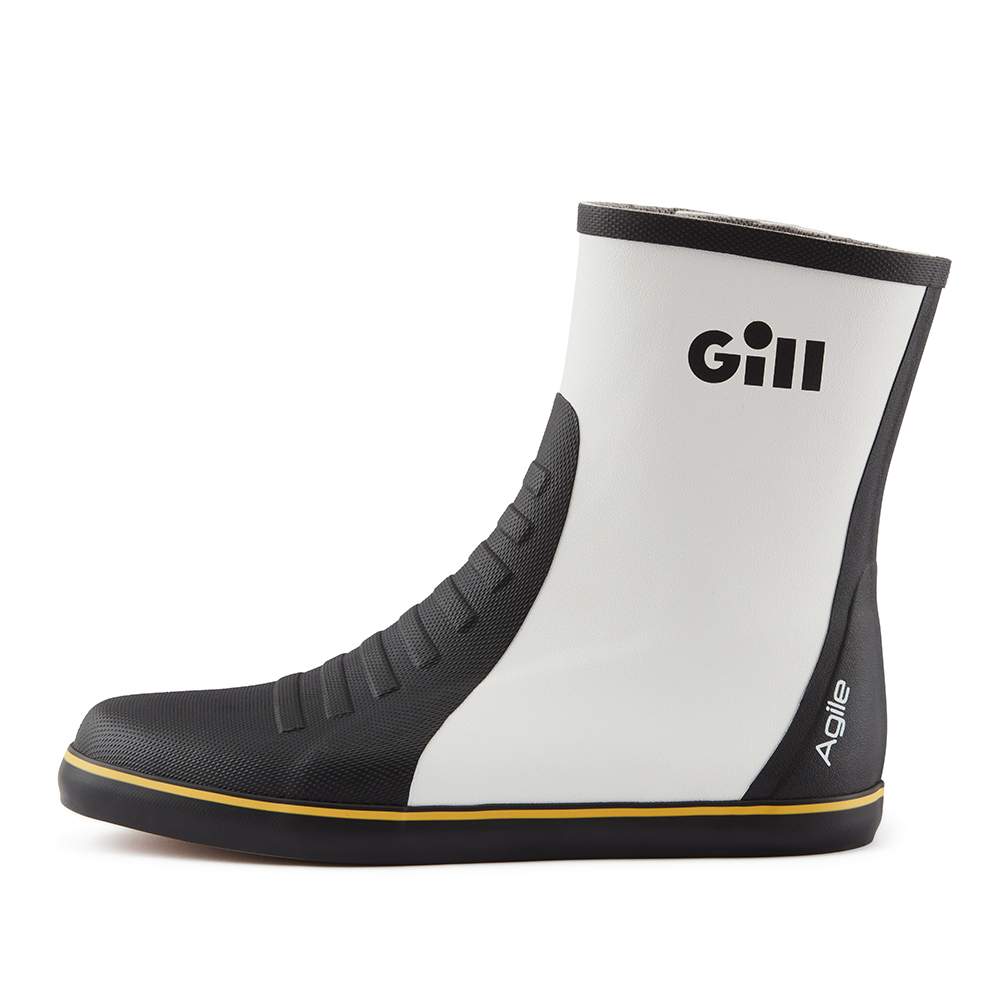
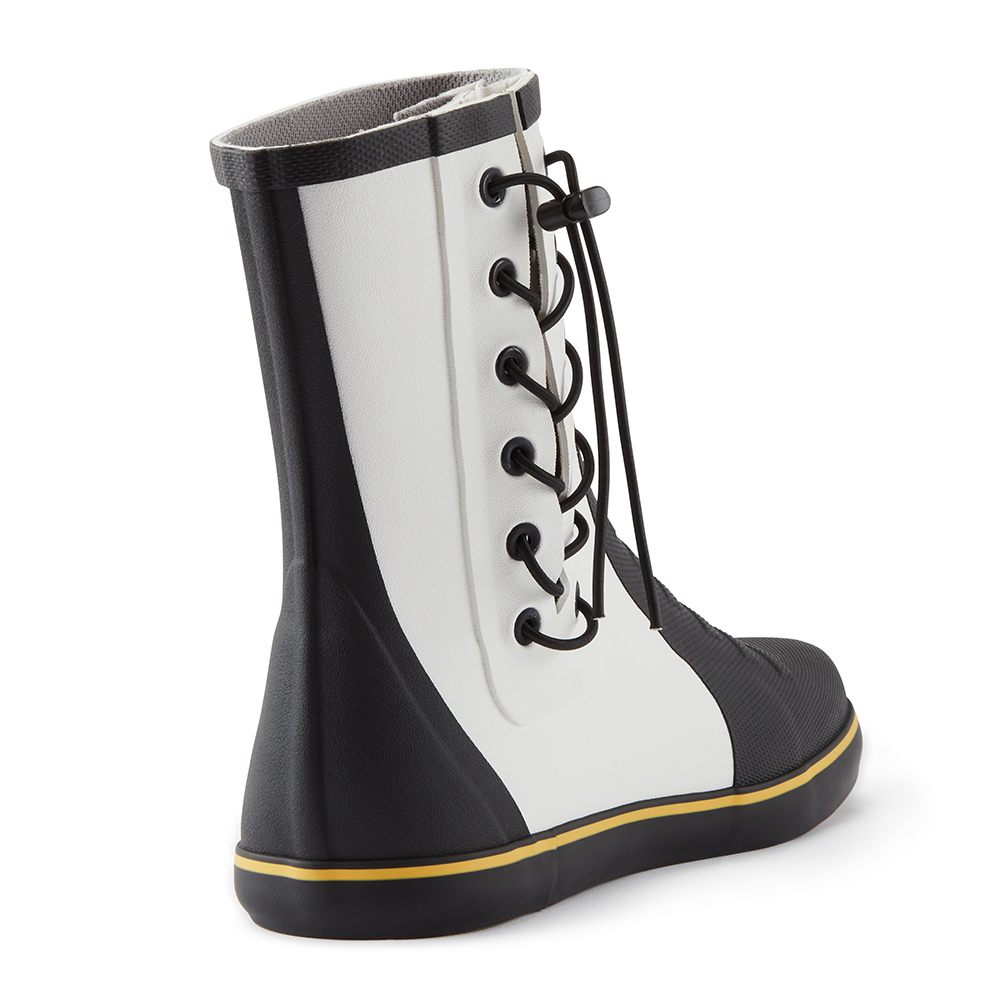
Rubber sailing boots and sailing wellington boots are completely waterproof by design, low maintenance, and generally the most affordable option, making them a practical choice for everyday sailing, foredeck work and anyone who wants one reliable boot that doesn’t need looking after.
31%
OFF
OFF
43%
OFF
OFF
25%
OFF
OFF
34%
OFF
OFF
Neoprene Sailing Boots

£10.45 £9.95
£24.95 £9.95
£75.00 £64.95
£54.00 £39.95
£12.99 £7.95
£45.00 £39.95
£20.00 £17.95
£24.95 £19.95

£53.00 £45.95
£80.00 £29.95 £19.95

£90.00 £79.95
£70.00 £59.95
£35.00 £29.95
£12.99 £4.95
£129.00 £114.95
£84.95 £29.95
£55.00 £49.95
£28.00 £24.95
£80.00 £69.95
£6.50 £4.95
£7.28 £6.95
£9.95 £4.95
£65.00 £49.95
£60.00 £19.95
£55.00 £47.95
£19.00 £17.95
£75.00 £49.95
£42.00 £14.95
£60.00 £49.95
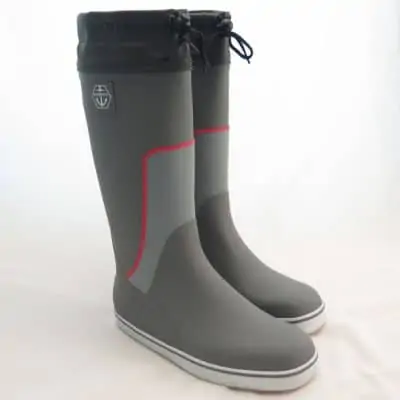
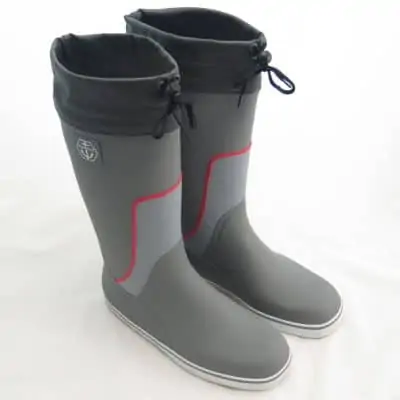
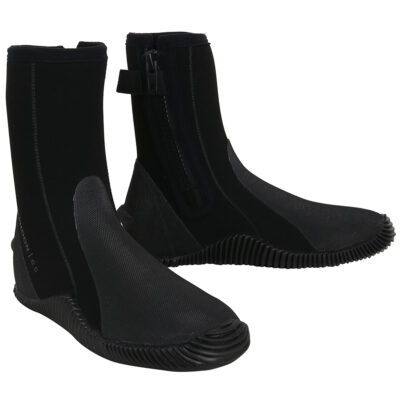
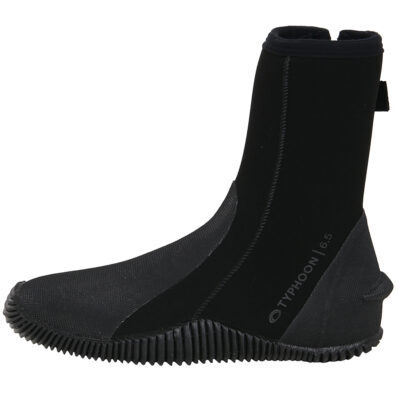
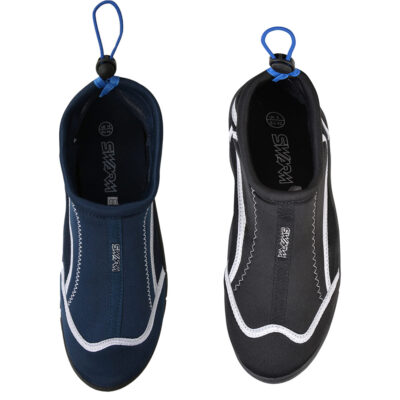
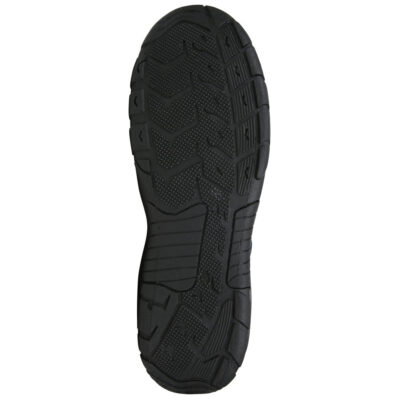
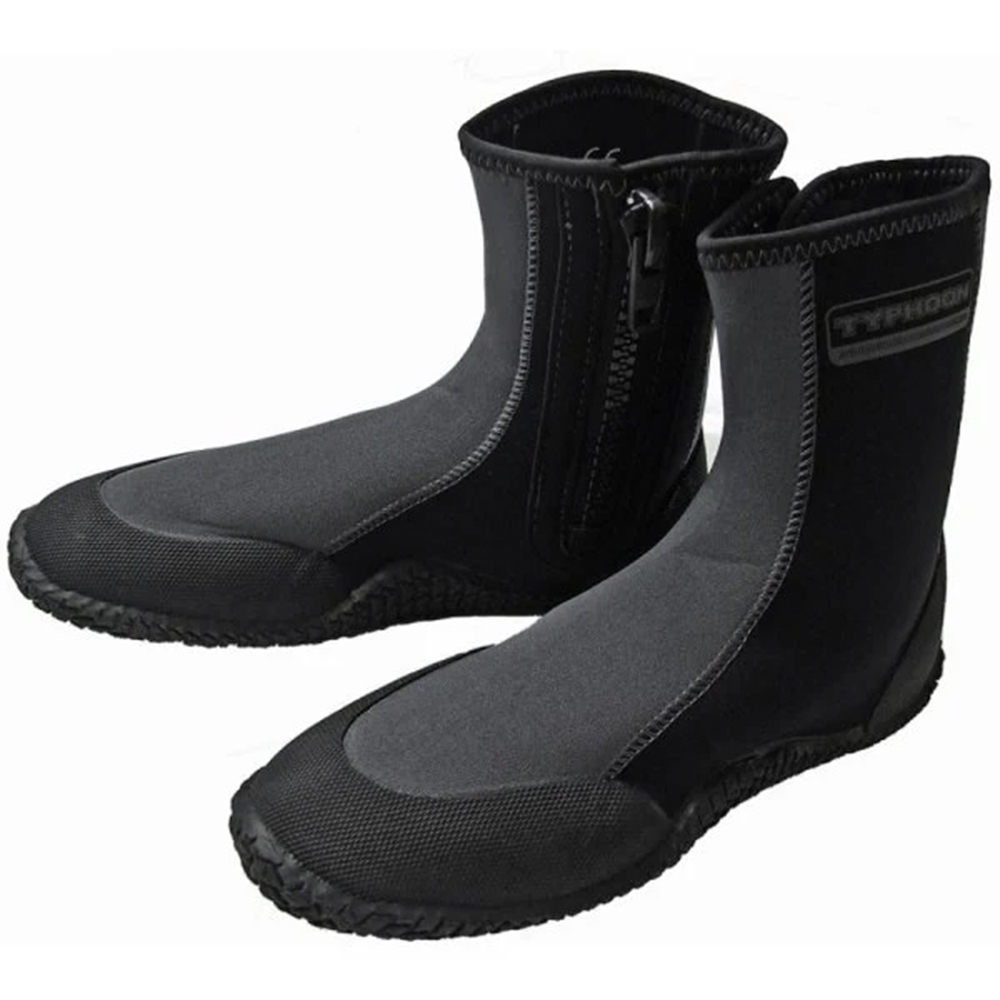
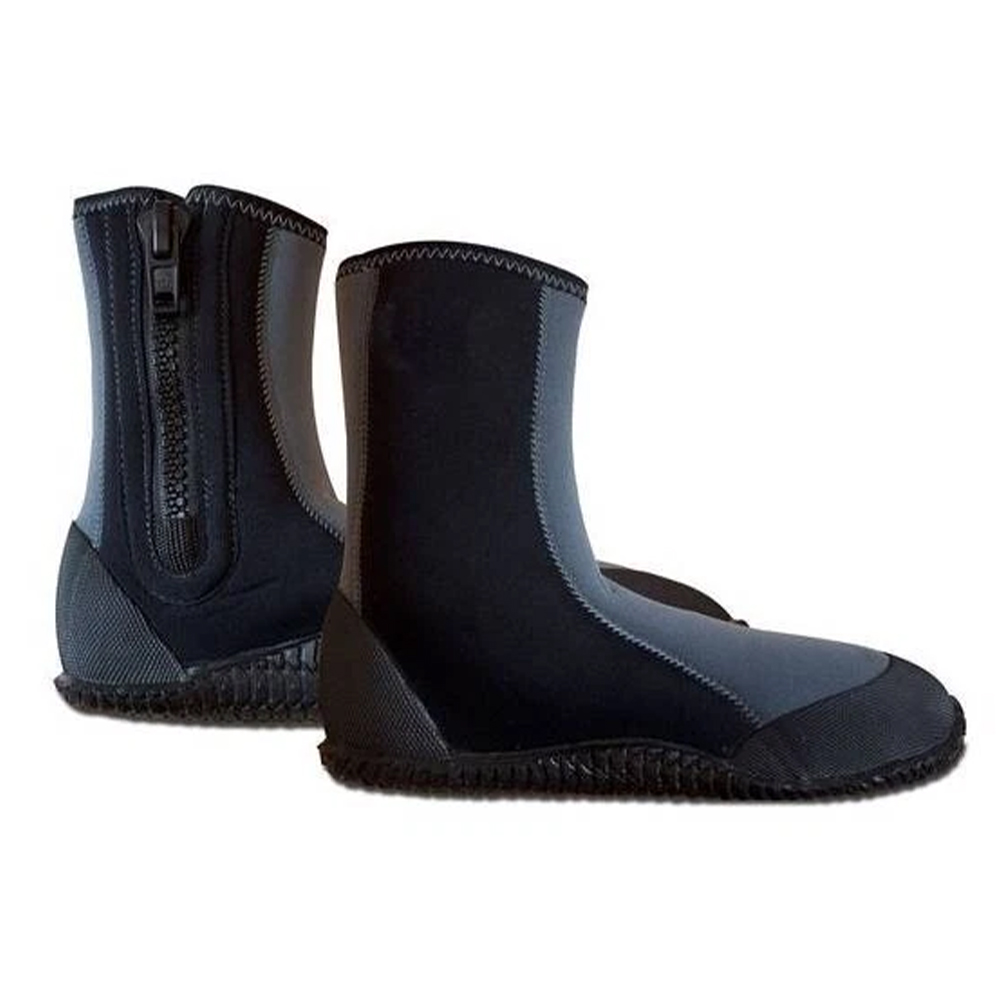
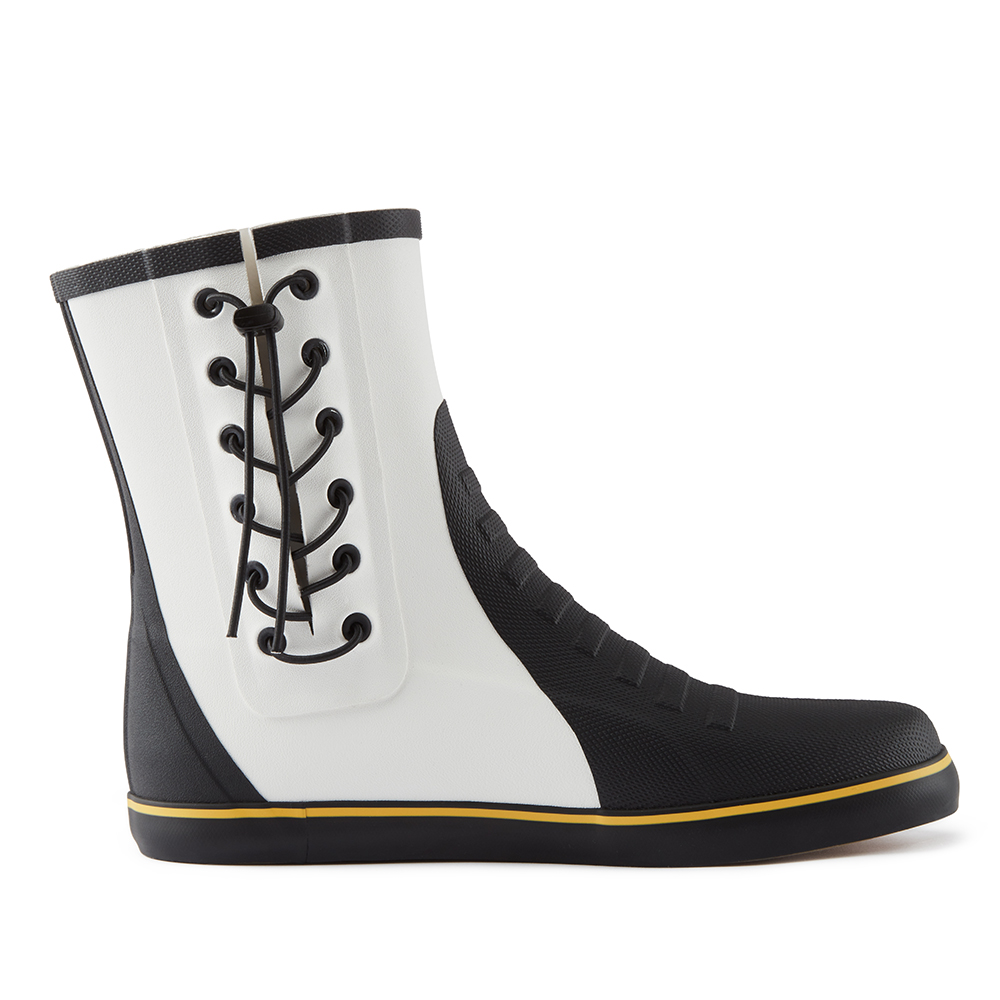
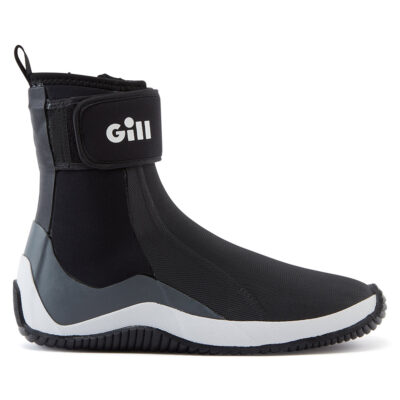
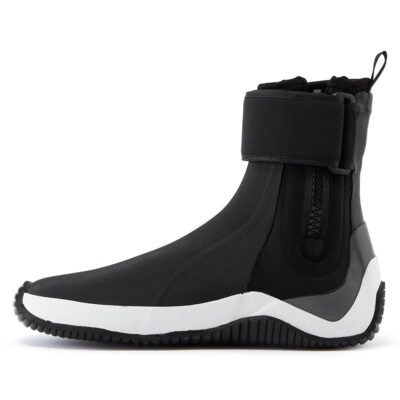
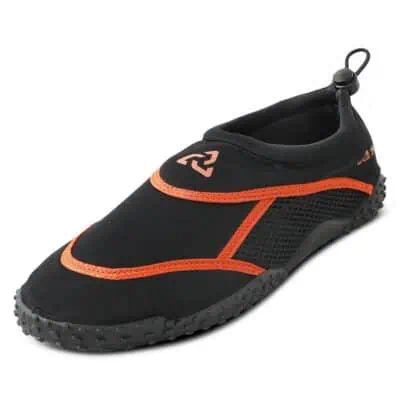
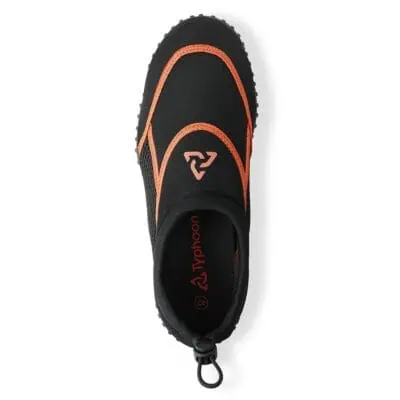
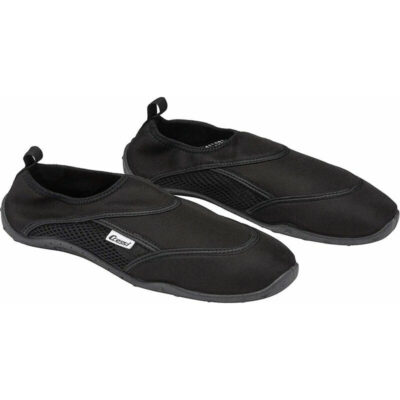
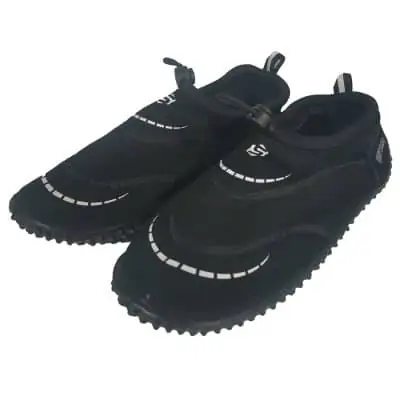
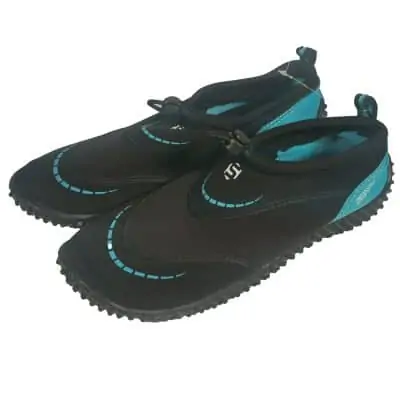
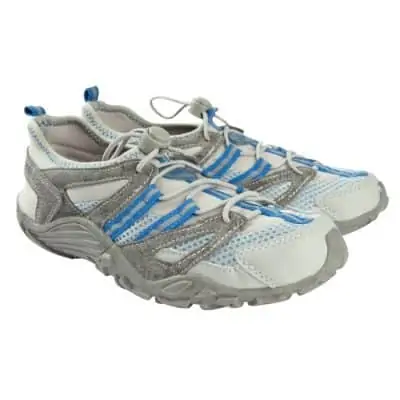
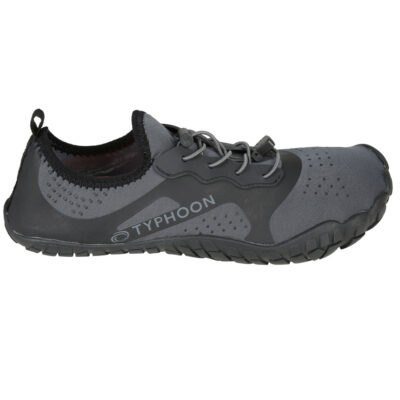
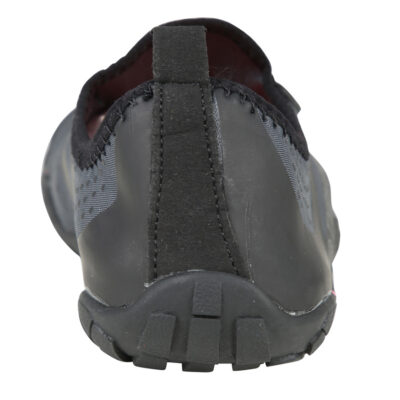
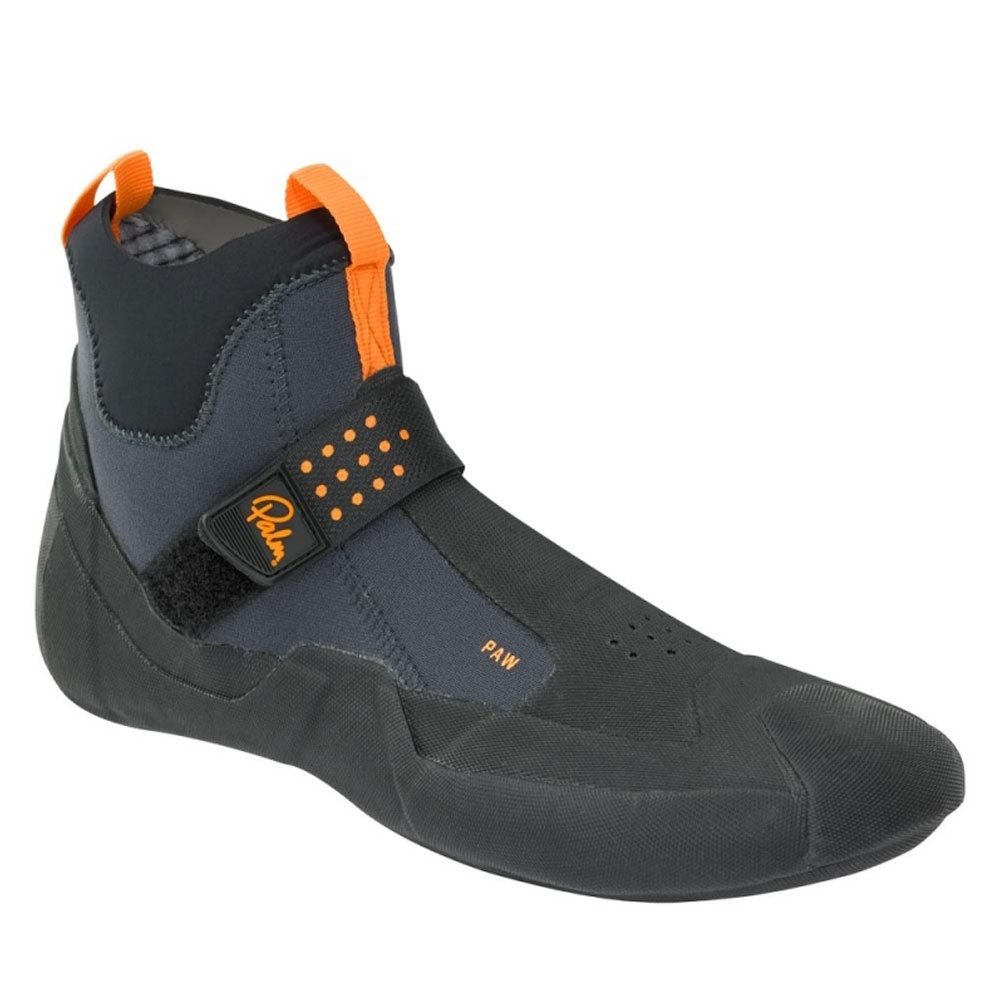
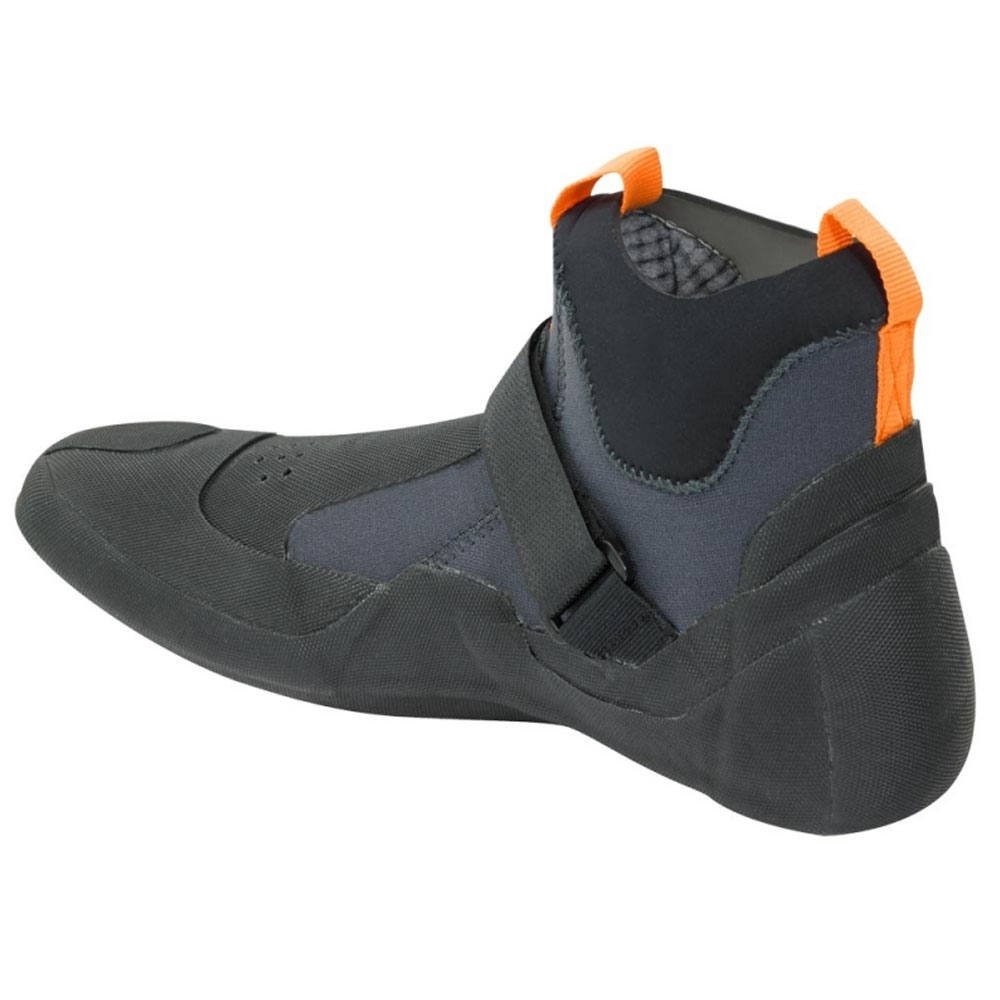
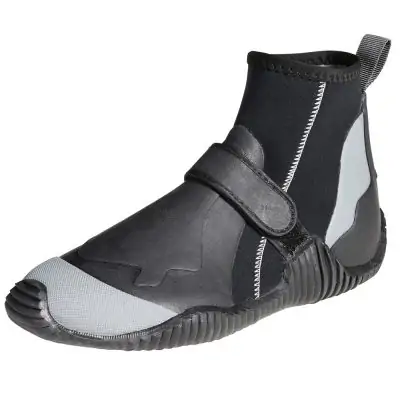
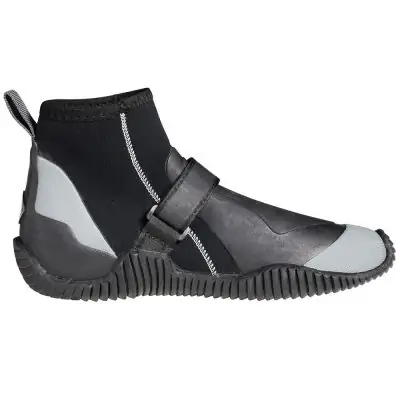
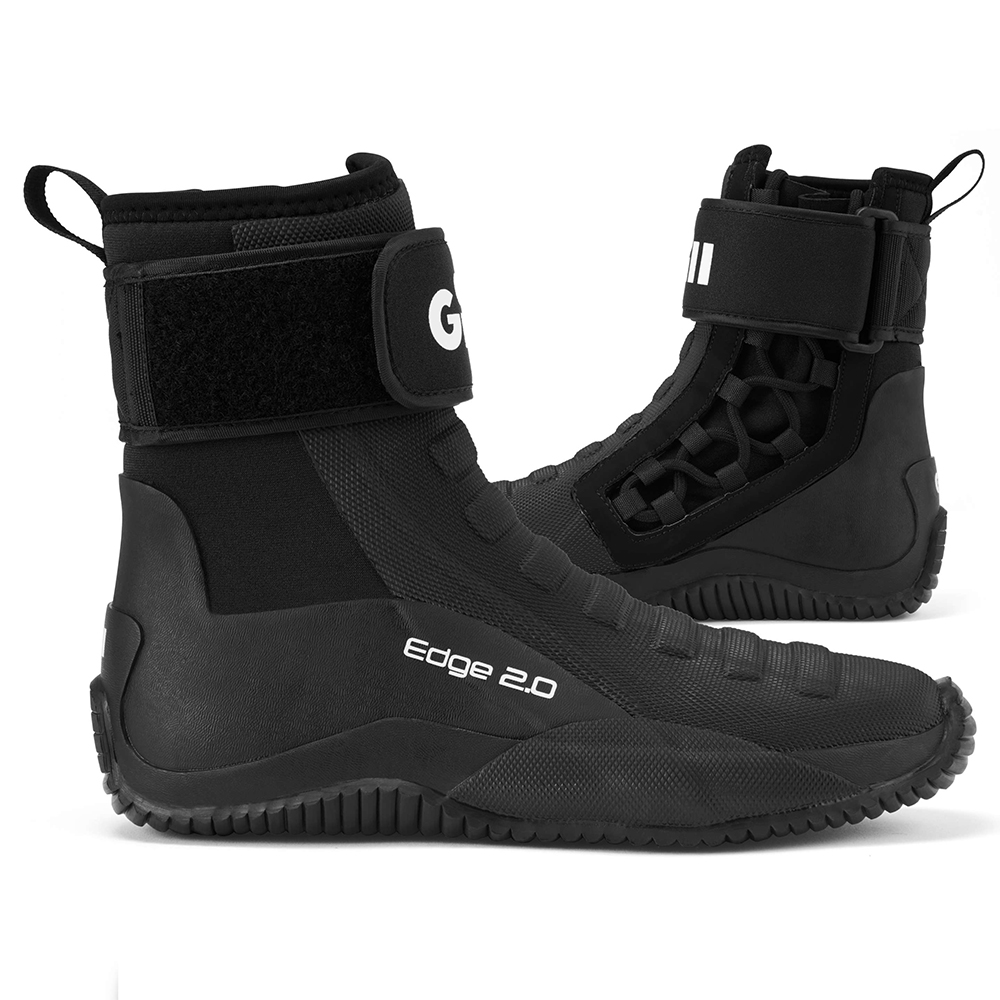
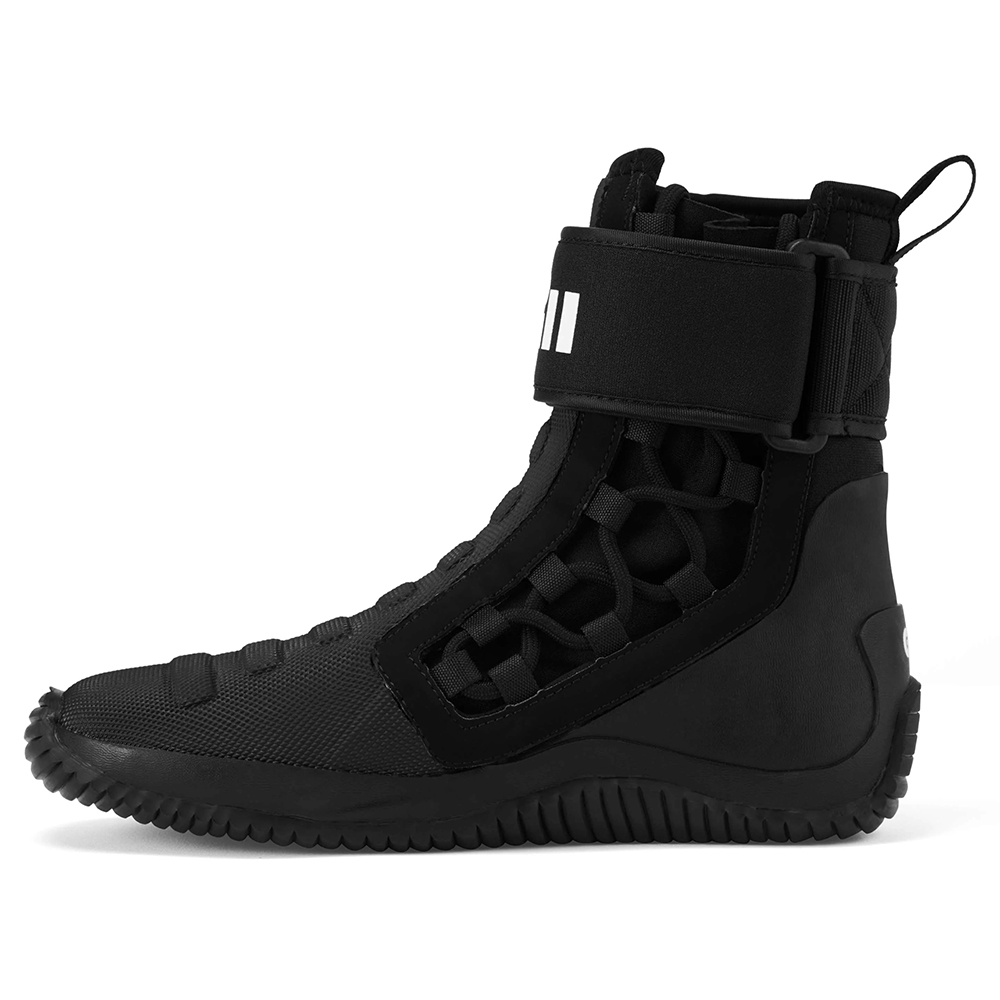
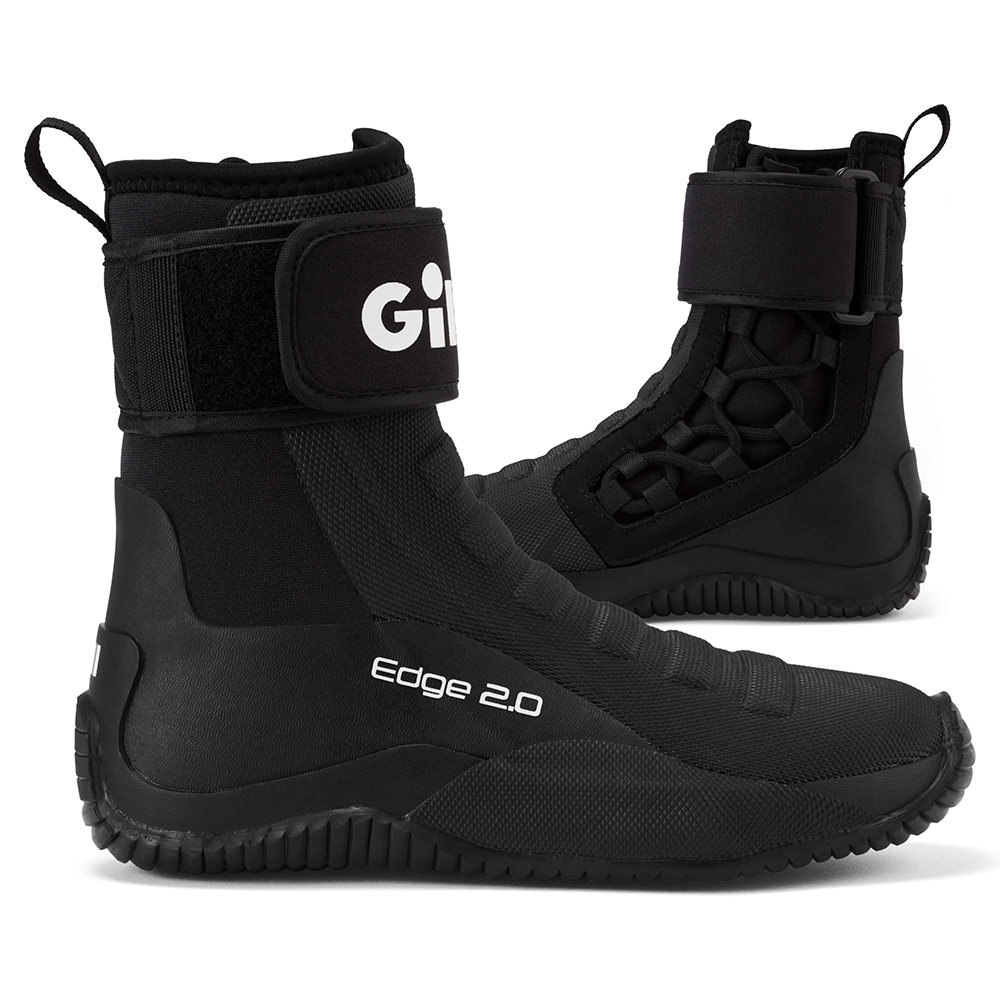
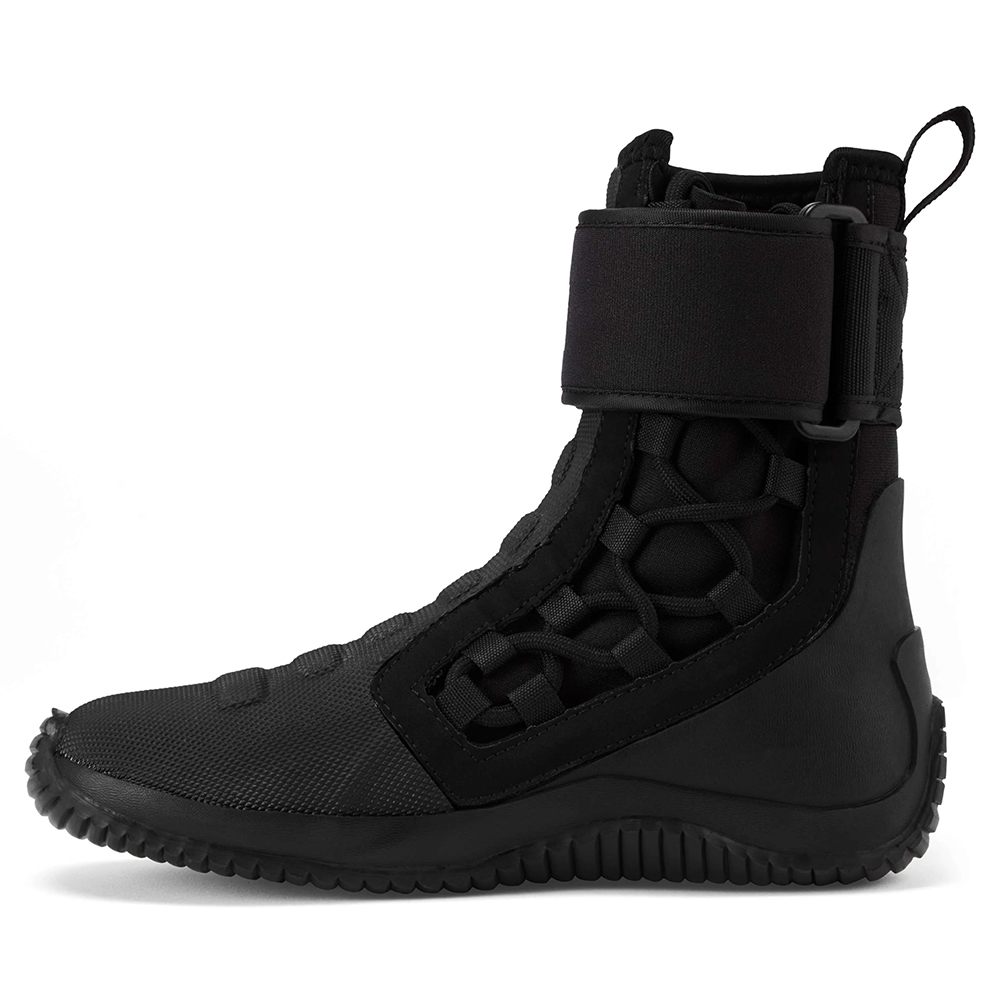
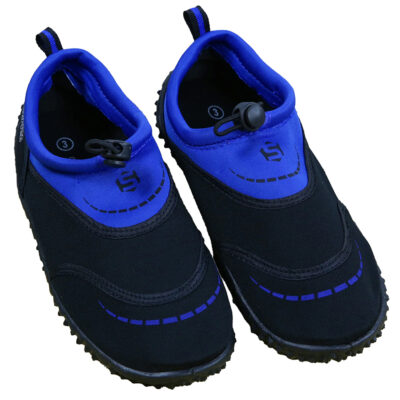
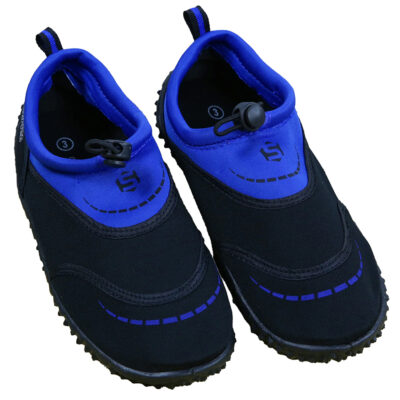
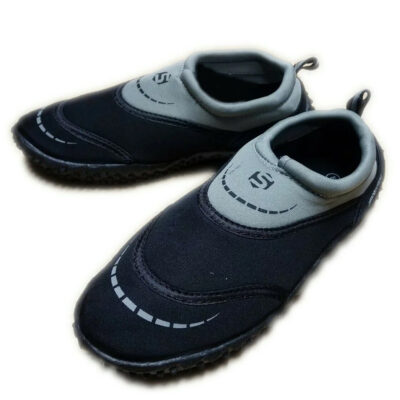
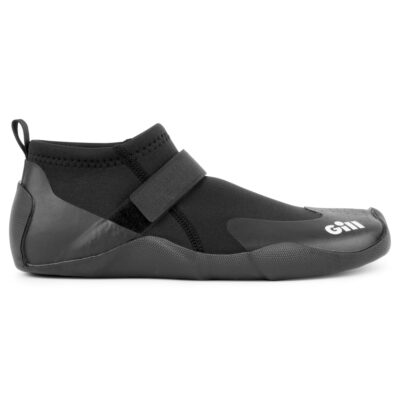
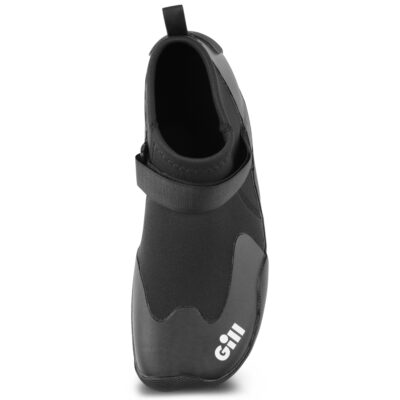
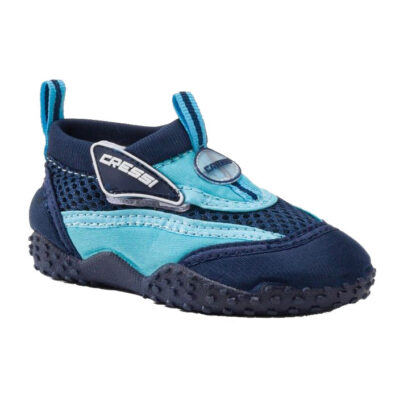
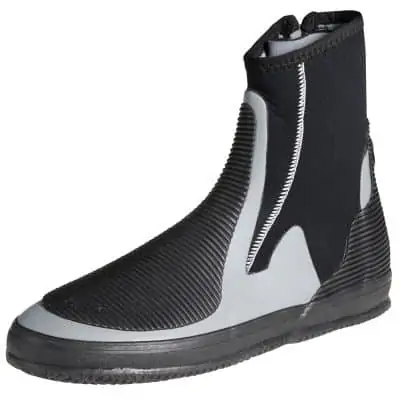
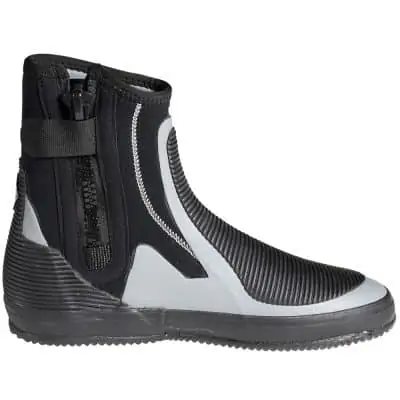
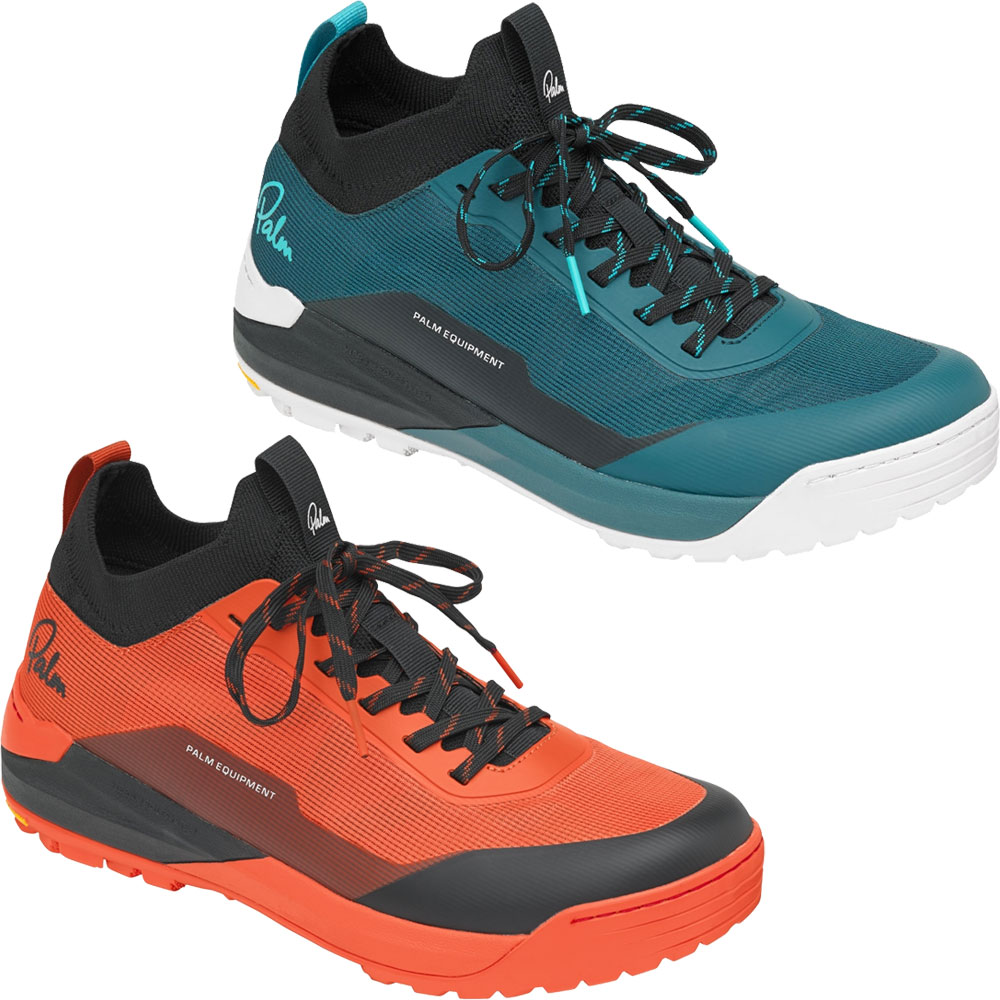
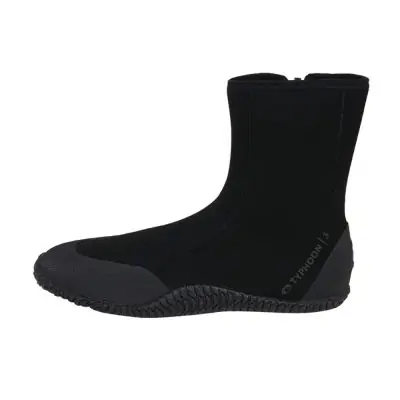
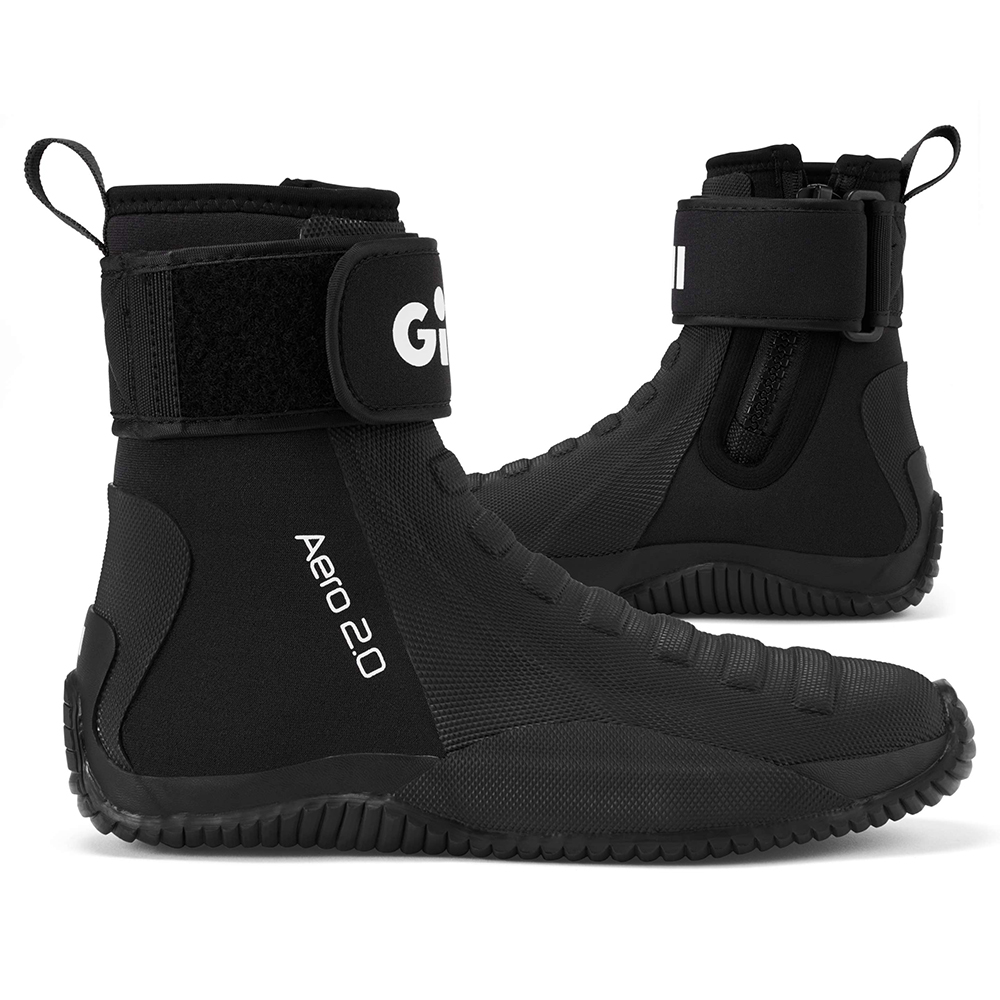
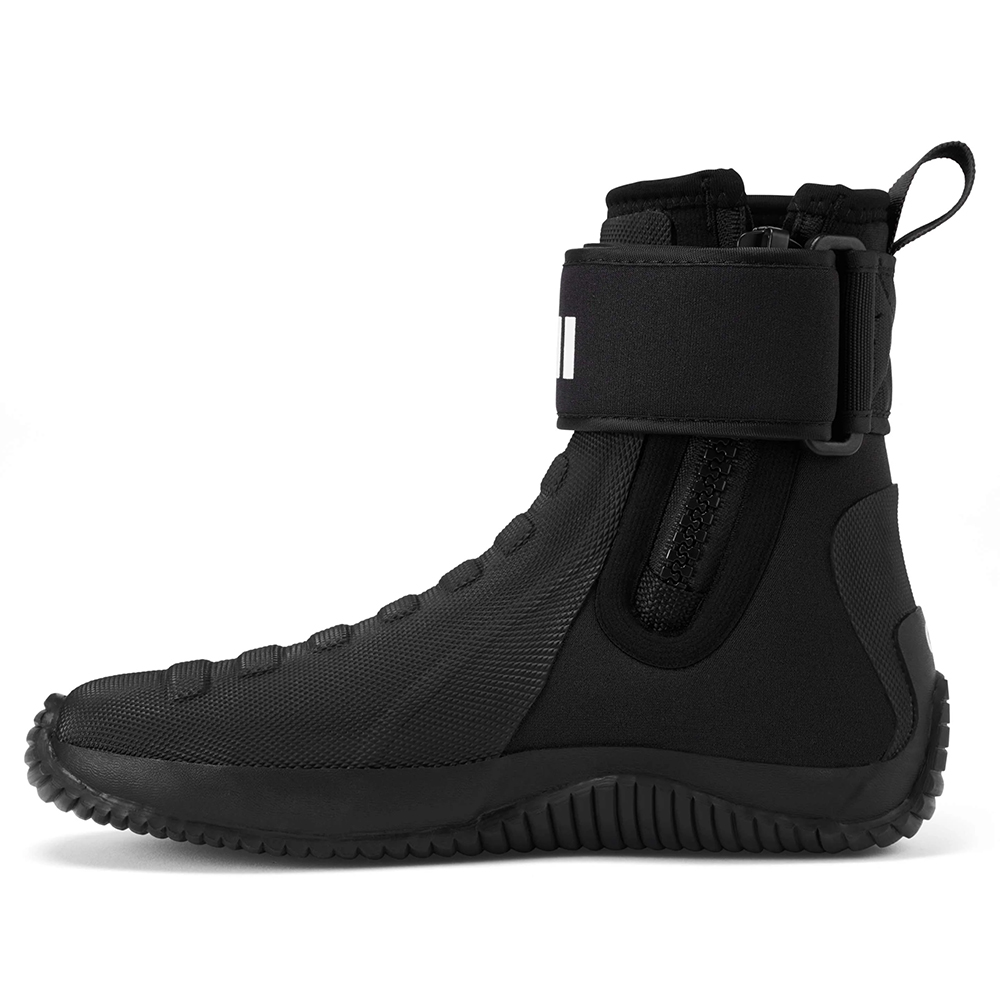
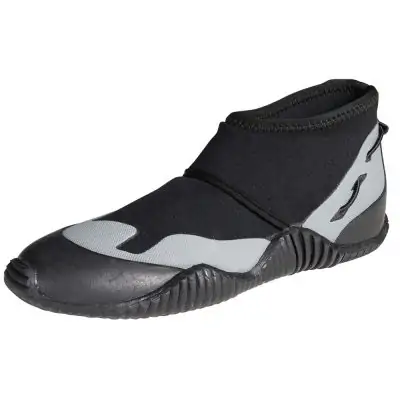
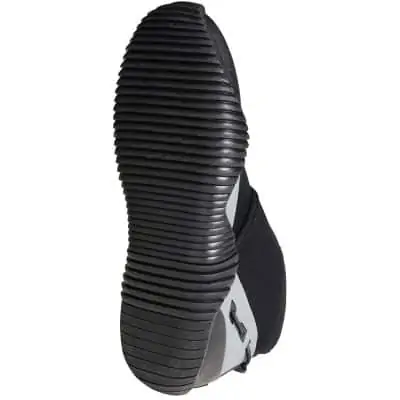
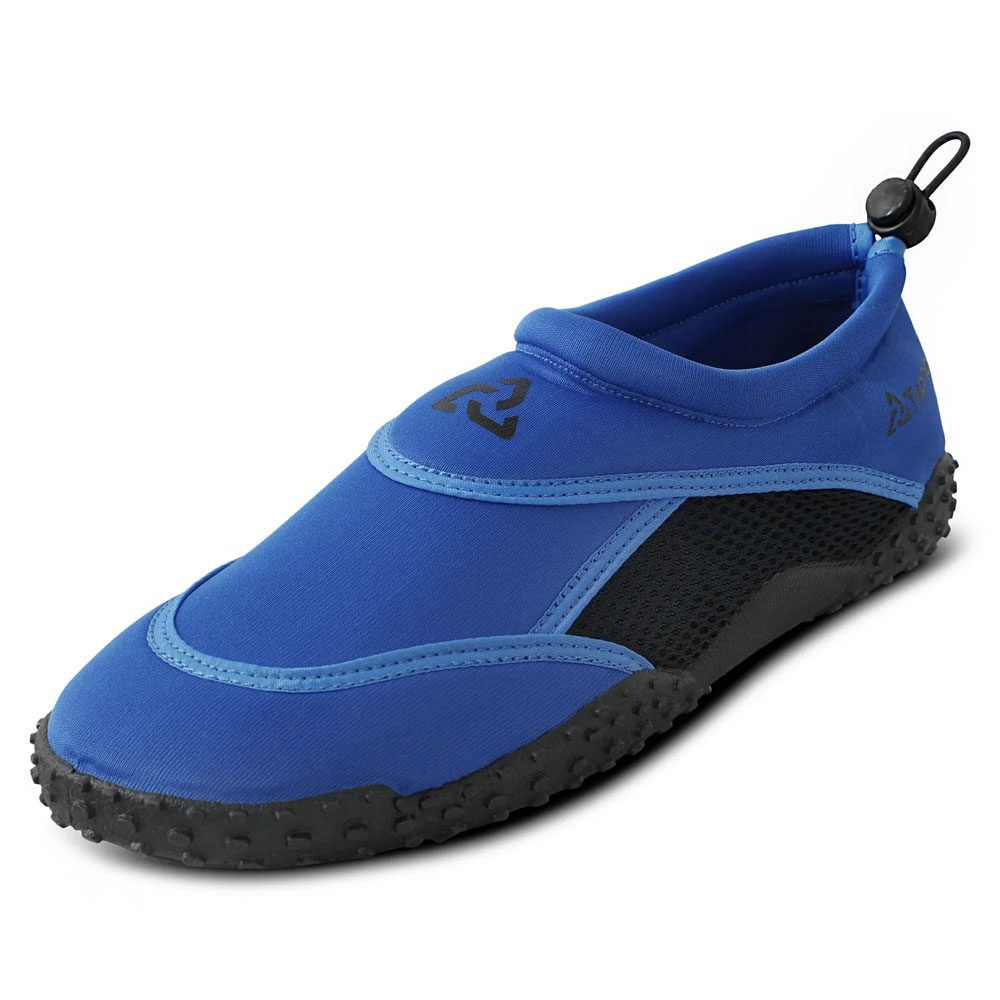
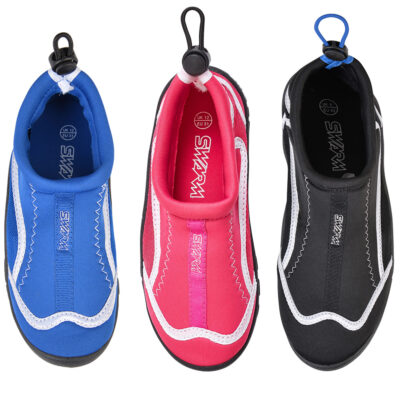
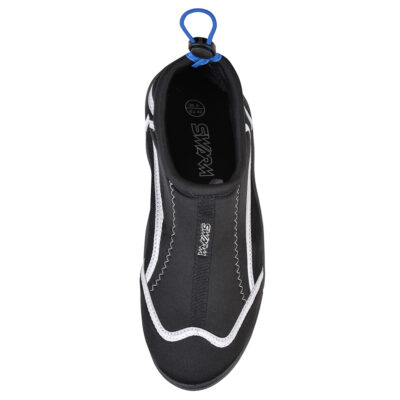
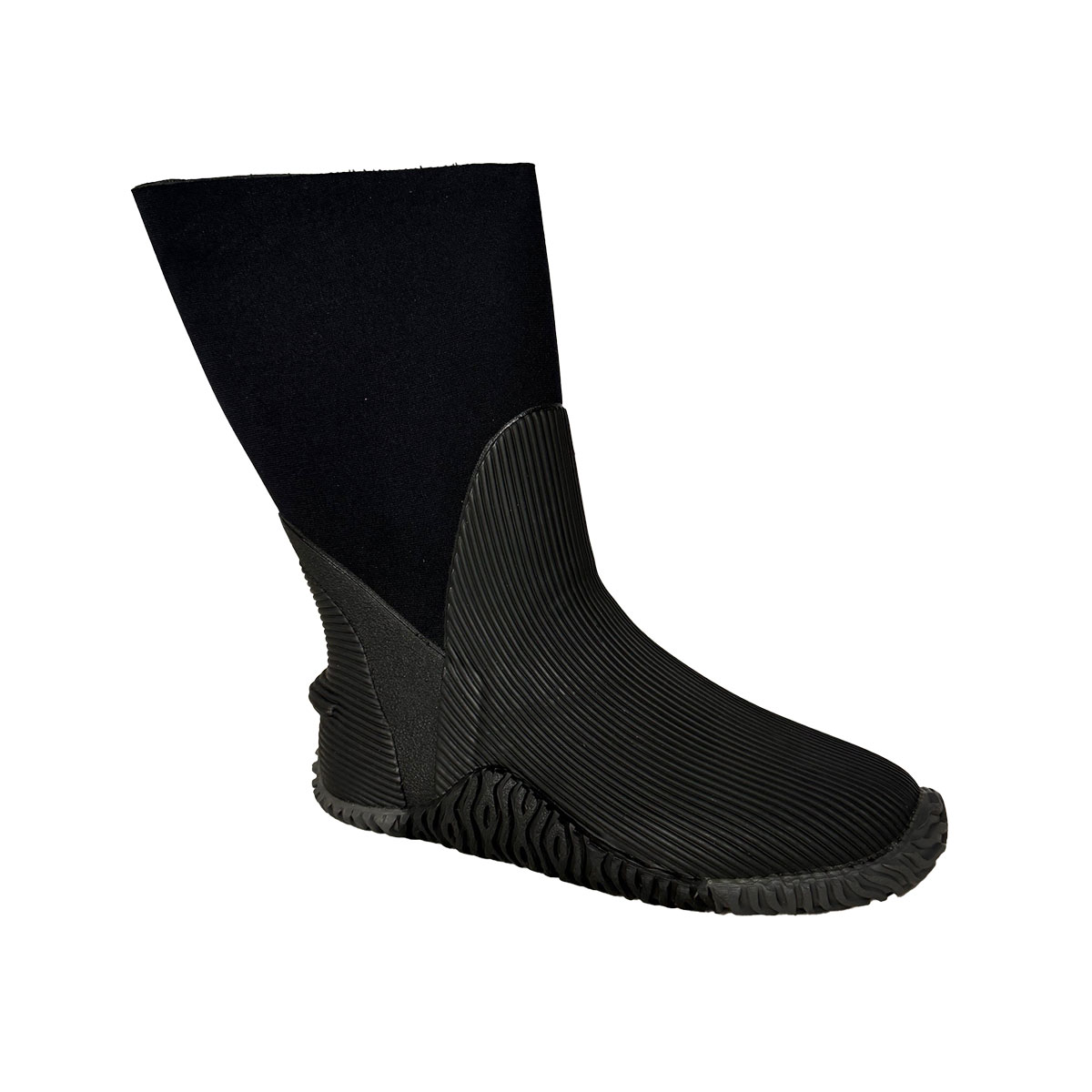
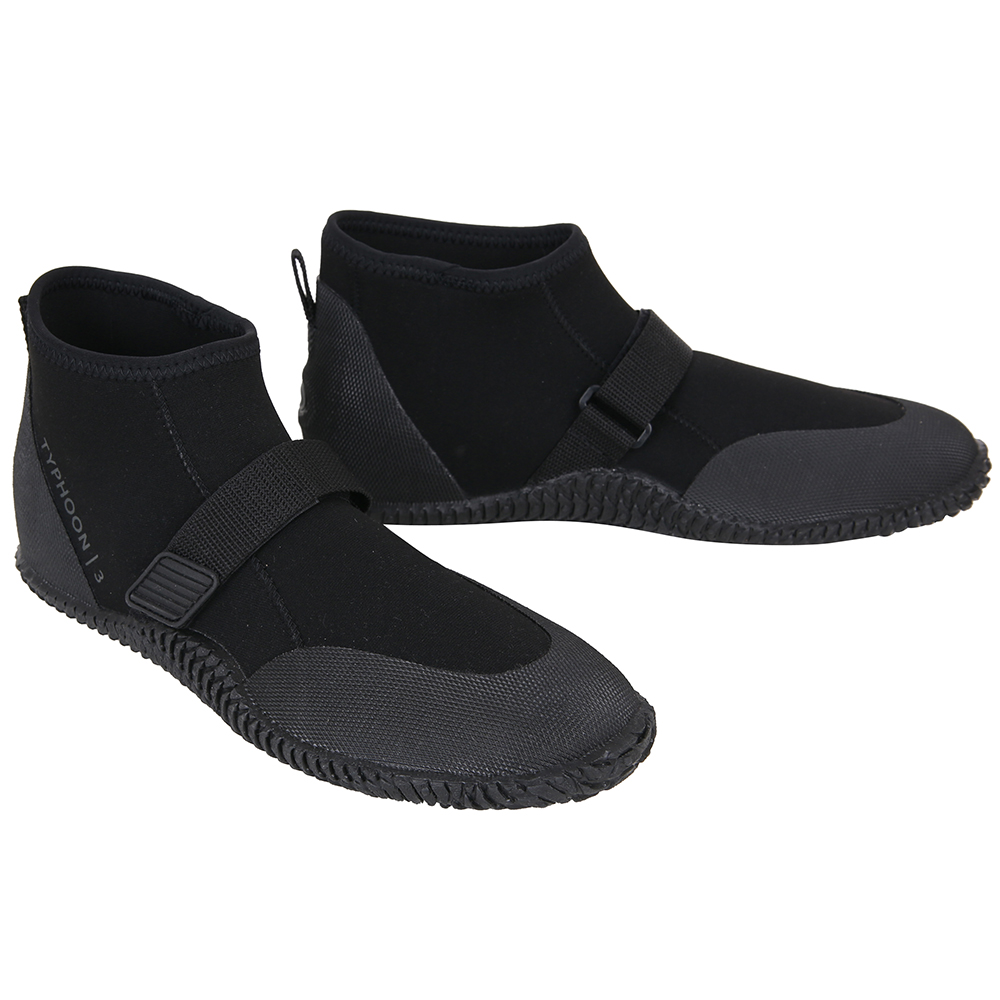
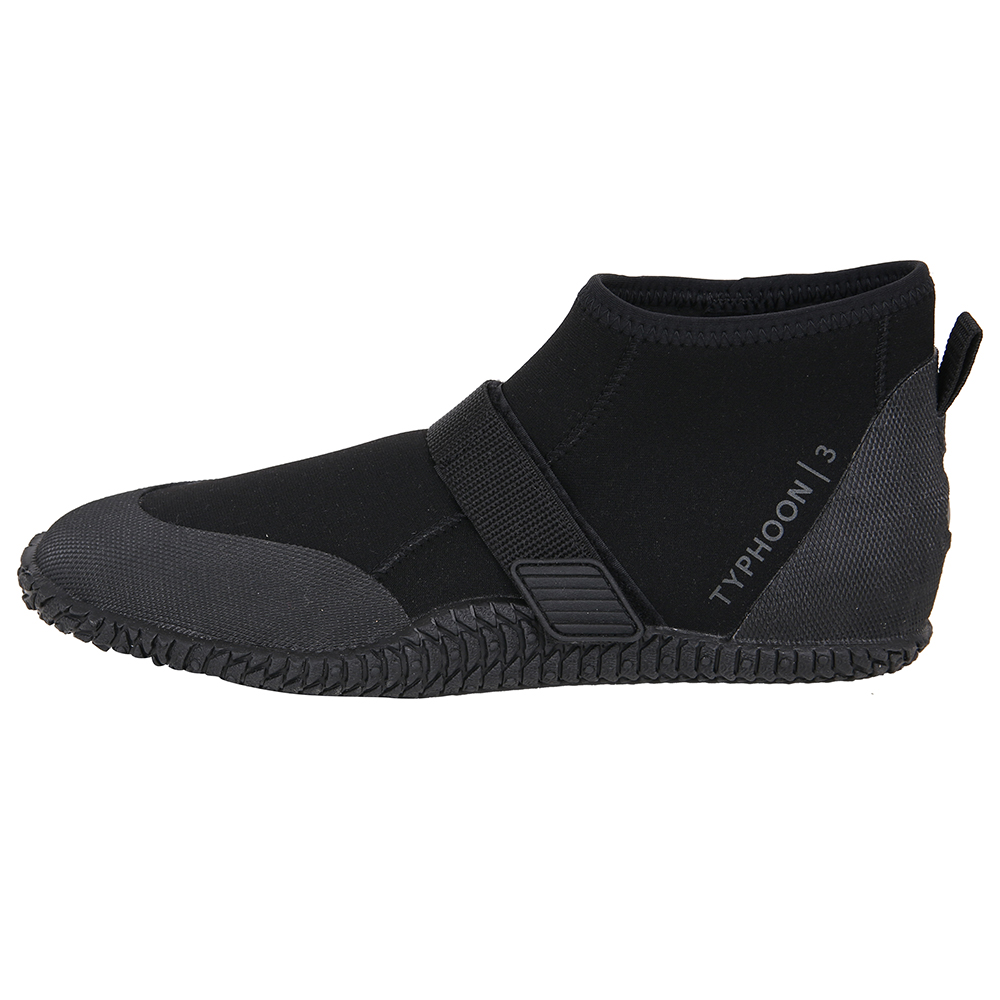
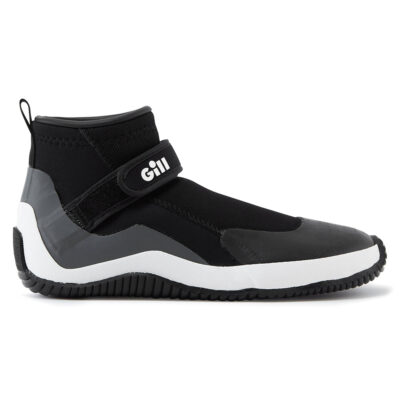
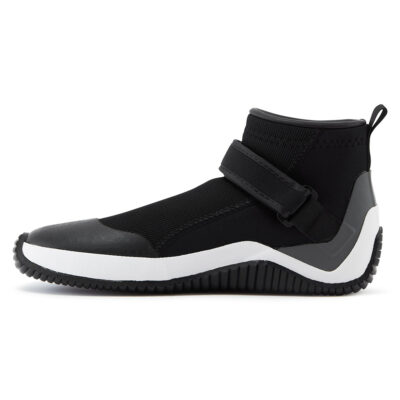
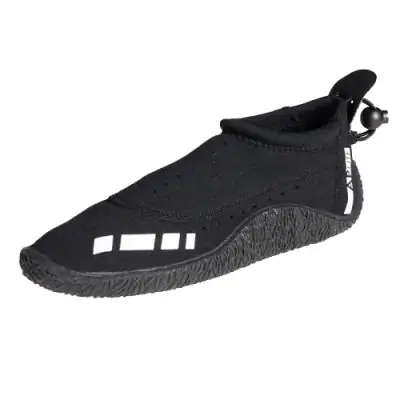
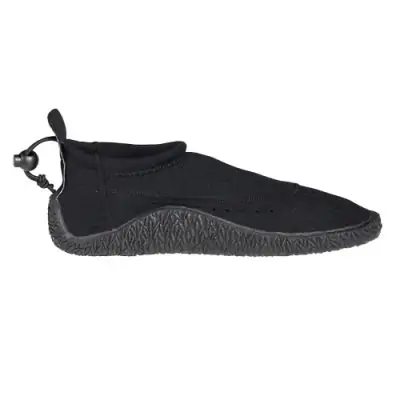
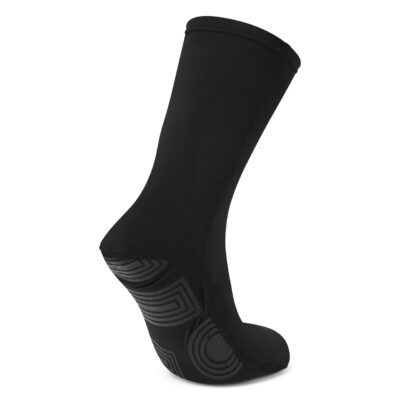
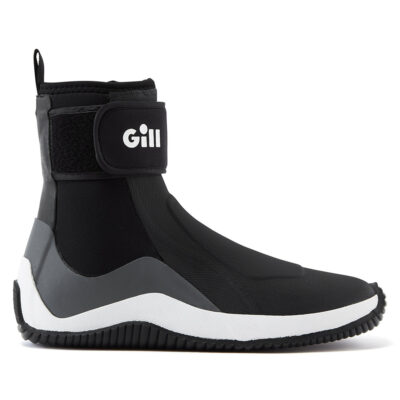
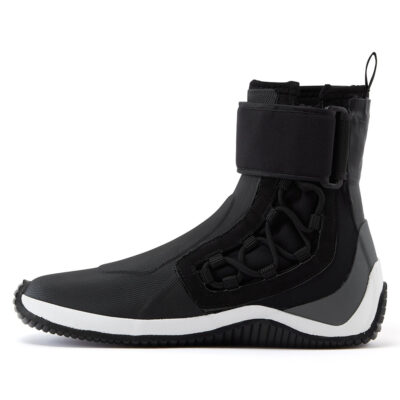
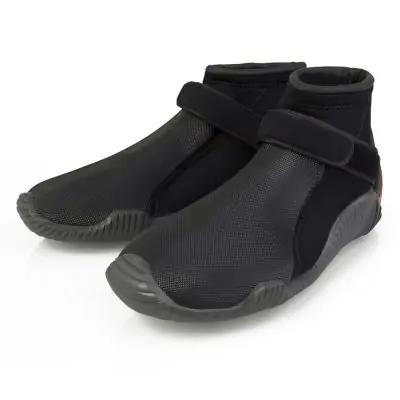
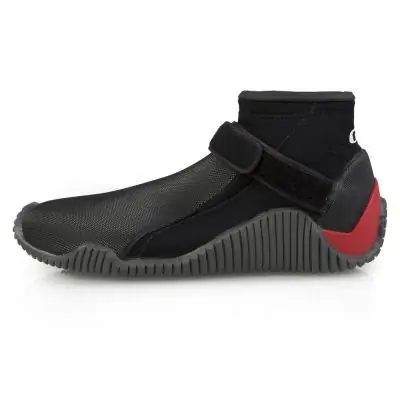
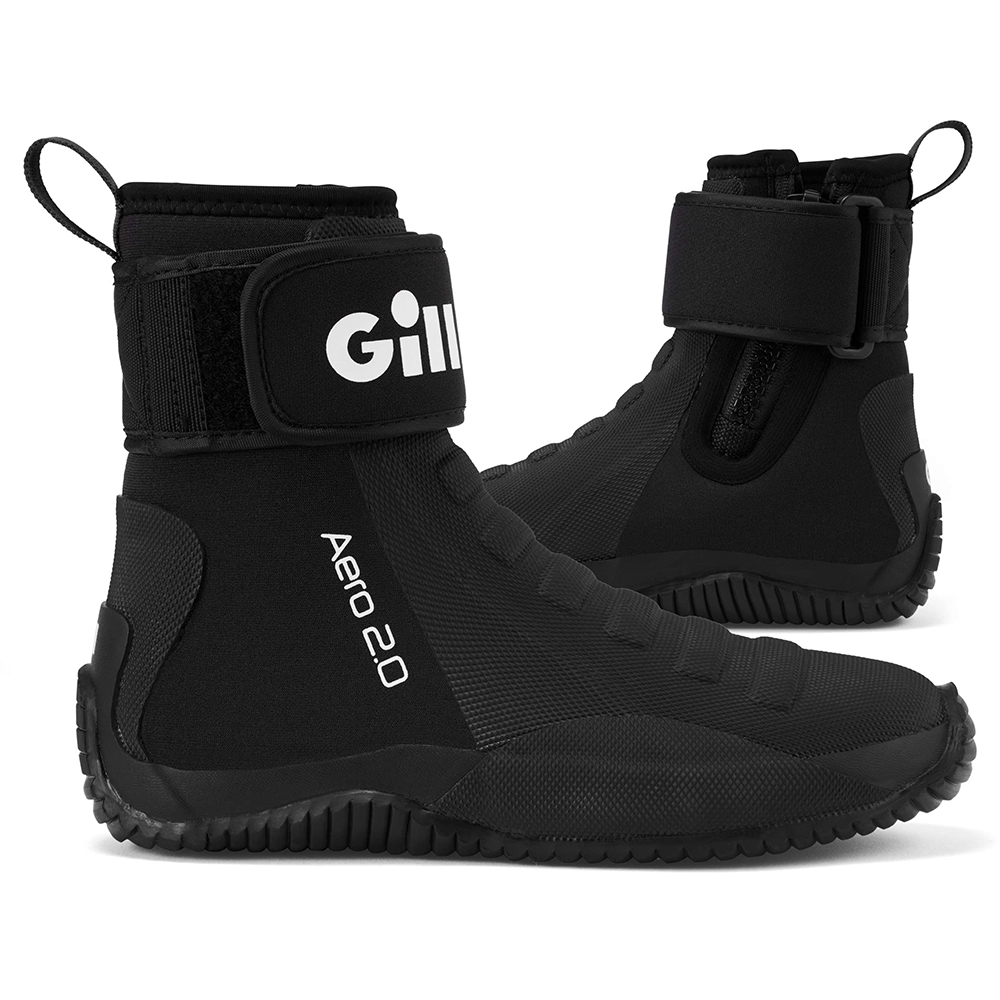
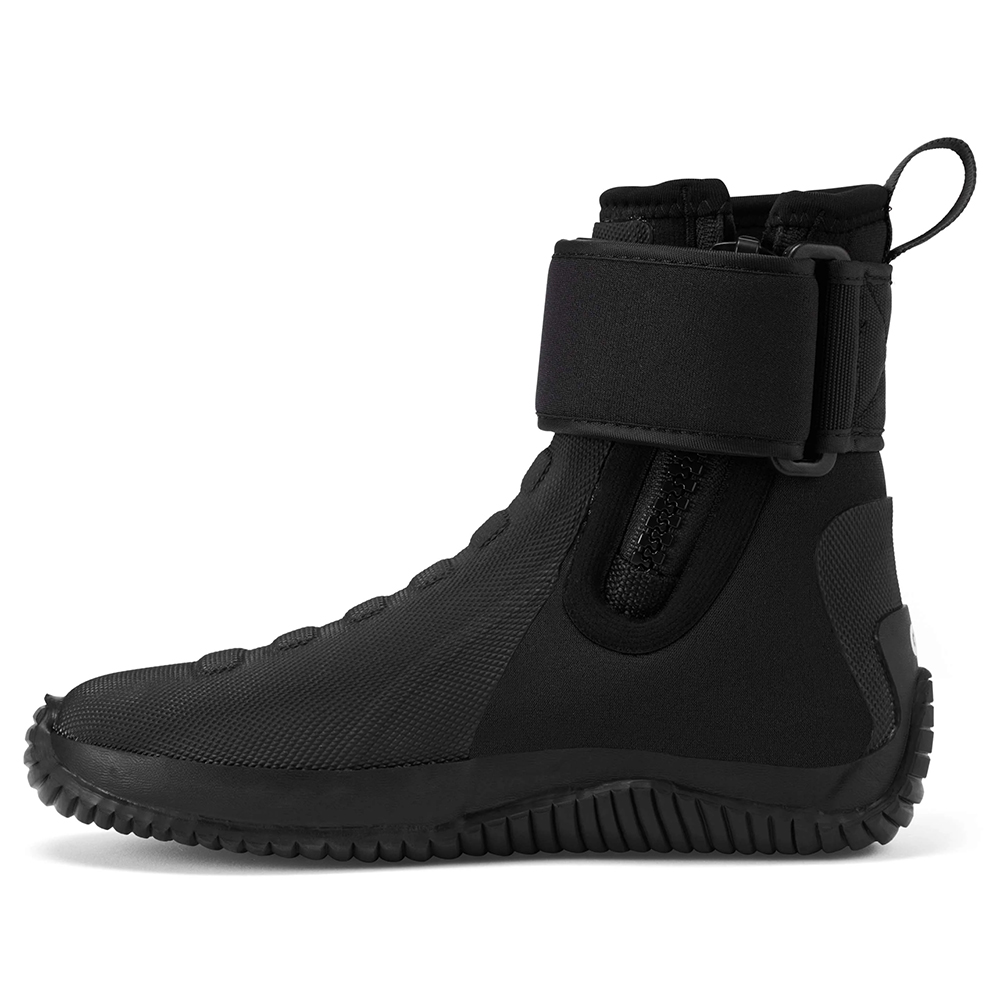
Neoprene sailing boots are stretchy, close-fitting and flexible, which is why they’re so widely used for dinghy sailing, as watersports shoes, and sailing wetsuit boots. Unlike a rigid rubber or leather boot, neoprene continues to insulate even when wet and drains quickly if you go over the side.
£19.95 - £44.95
60%
OFF
OFF

26%
OFF
OFF
£7.95 - £9.95
39%
OFF
OFF
£8.00
75%
OFF
OFF
£29.95 - £34.95
65%
OFF
OFF
65%
OFF
OFF
65%
OFF
OFF
62%
OFF
OFF
£39.95 - £44.95
65%
OFF
OFF
65%
OFF
OFF
£19.95 - £34.95
£29.95 - £34.95
50%
OFF
OFF
65%
OFF
OFF
£19.95
67%
OFF
OFF
£12.95 - £19.95
65%
OFF
OFF
£19.95 - £24.95
33%
OFF
OFF
64%
OFF
OFF
Gore-Tex Sailing Boots
£299.00 £299.00 £279.95
Gore-Tex sailing boots use a waterproof, breathable membrane that stops water getting in while still allowing sweat and moisture vapour to escape. This is the technology of choice for serious offshore boots, since it avoids the clammy feeling you can get from a fully sealed rubber boot.

|
Material |
Waterproofing |
Breathability |
Best For |
|
Leather |
Very good (with reproofing) |
Good |
Coastal and offshore, smart everyday use |
|
Rubber / Wellington |
Excellent |
Low |
Foredeck work, wet conditions, budget boots |
|
Neoprene |
Good |
Low |
Dinghy sailing, watersports, warm when wet |
|
Gore-Tex |
Excellent |
Very good |
Offshore passages, long watches |
How do sizes compare between brands?
Sailing boot sizing varies more between brands than you might expect, so it’s always worth checking the specific size guide for the boot you’re looking at rather than assuming your usual shoe size will carry across. A few general points worth knowing:
- Leather boots from brands like Dubarry tend to size close to standard UK shoe sizing, but the fit can vary depending on sock thickness.
- Rubber and wellington-style boots, including Maindeck sailing boots, often come up slightly roomier to allow for a thicker sailing sock, so many sailors find they can go true to size or even half a size down.
- Neoprene sailing boots are designed to fit snugly, similar to a wetsuit boot, so sizing up isn’t usually necessary and can leave the boot baggy and less effective.
- If you’re planning to wear thick thermal socks in cold weather, try boots on with the socks you intend to actually wear rather than bare feet, and size accordingly.
We list the manufacturer’s size guide on every boot’s product page, but if you’re ever unsure, our team is always happy to help you pick the right size over the phone or in person.
Sailing Boot FAQ's
Which sailing boots are best for UK sailing?
There's no single “best UK sailing boot”, it depends on how and where you sail. For coastal cruising and club racing in the UK's changeable weather, a mid-height, fully waterproof boot with a warm lining covers most conditions. Offshore sailors and those doing winter passages are better served by a tall, insulated Gore-Tex boot, while dinghy sailors are best in a low-cut neoprene or wetsuit boot that drains quickly.
Are sailing boots non-slip?
Good quality sailing boots use a specially designed, razor-cut or siped sole to grip wet, angled decking, and are usually also non-marking so they won't leave scuff marks on deck. This is worth checking on any budget boot, as a standard rubber wellington sole isn't necessarily designed for a moving, wet deck in the same way a dedicated sailing boot is.
How should sailing boots fit?
Sailing boots should be snug enough to stay secure when you're moving around a wet deck, but roomy enough to wear a technical sock without pinching your toes. A boot that's too tight will restrict circulation, which actually makes cold feet worse, not better, while a boot that's too loose can rub or come off in the water.
How do I look after my sailing boots?
Rinse boots in fresh water after every sail, particularly after time in saltwater, and leave them to dry naturally away from direct heat, which can crack rubber and dry out leather.
Leather sailing boots should be reproofed periodically with a dedicated leather waterproofing treatment to maintain their water resistance.
Removable insoles should be taken out to dry separately to prevent odour building up inside the boot.
Can I wear sailing boots on land?
Yes, most sailing boots, particularly rubber, wellington-style and leather boots, are perfectly comfortable for walking on a pontoon, dock or marina, and many leather styles are designed to double up as everyday countryside or dog-walking boots. Dedicated neoprene and wetsuit boots are more purpose-built for time in and around the water and are less suited to extended walking on hard ground.
What's the difference between sailing boots and general wellington boots?
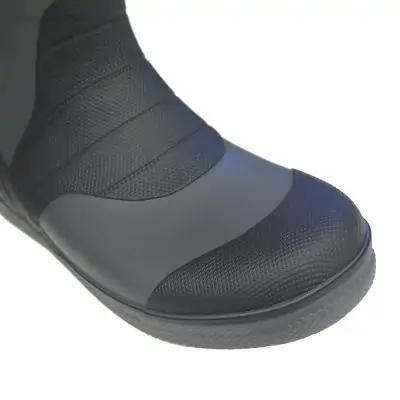
While a standard wellington boot will keep your feet dry, sailing wellington boots are purpose-built for the marine environment, with non-marking, high-grip soles designed for a wet, heeling deck, quicker-drying linings, and reinforced areas at the toe and heel that take more punishment on a boat than they would on land.
Do sailing boots need to be broken in?
Rubber and neoprene sailing boots are generally comfortable straight out of the box, but leather sailing boots, like any leather footwear, benefit from a short break-in period. Wear them for a few shorter trips before relying on them for a long passage, and treat the leather promptly, as it helps the boot mould to your foot while maintaining its waterproofing.
What features improve waterproofing?
Not all waterproof sailing boots perform equally, when comparing boots, look for:
- A high, adjustable cuff or drawcord – Stops water pouring in over the top of the boot in heavy spray or rain, particularly important on tall offshore boots.
- A one-piece or sealed-seam construction – Every stitched seam is a potential weak point, so boots with fewer seams or taped/sealed seams generally perform better in sustained wet weather.
- A waterproof/breathable membrane – Found in the best Gore-Tex sailing boots, this keeps water out while letting moisture escape, rather than trapping it inside.
- A gusseted or reinforced tongue – Prevents water working its way in around the laces on lace-up styles.
- Quality of the sole bond – Where the sole meets the upper is a common failure point on lower quality boots, so a reinforced, glued-and-stitched sole will outlast a simply glued one.