


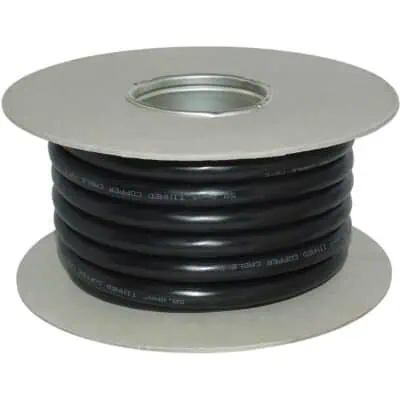
 OceanFlex Tinned Battery Starter Cable - 50mm, Black
 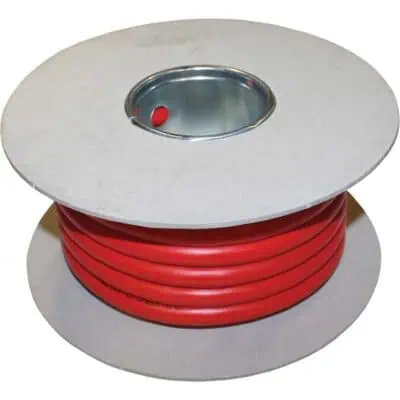 OceanFlex Tinned Battery Starter Cable - 50mm, Red
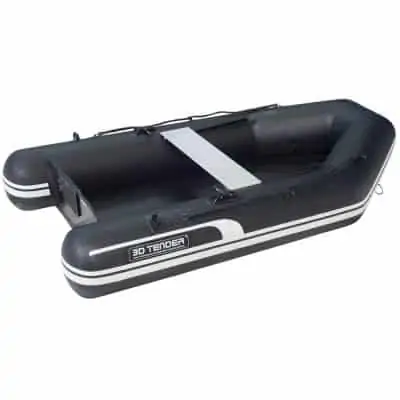
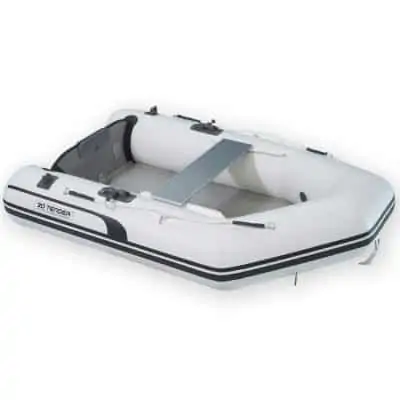
£499.95 - £749.95
Out of stock
£499.95 - £559.95
£749.95 - £999.95

£429.95 - £499.95

£379.95 - £419.95
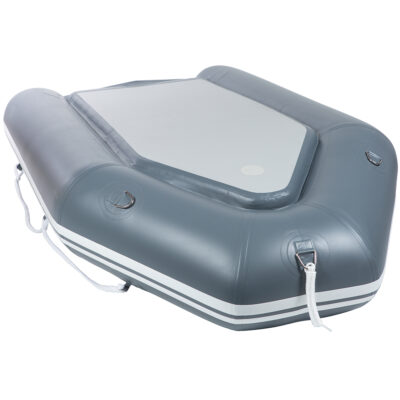
£529.95 - £639.95
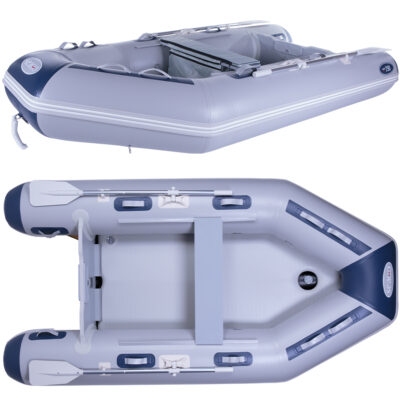
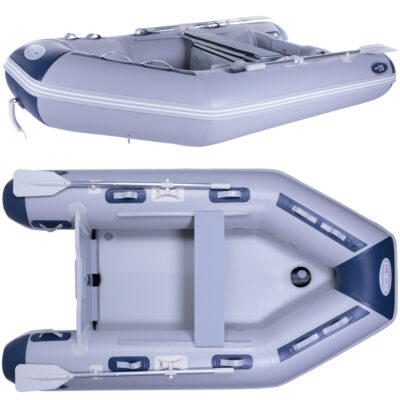
£579.99 - £769.00
28%
OFF
OFF
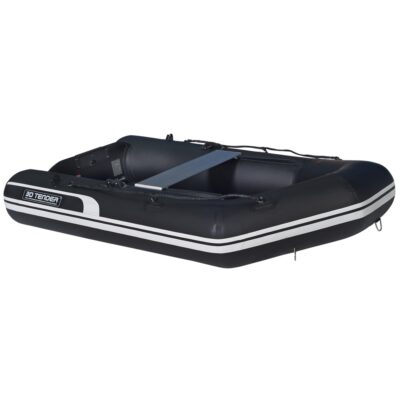
£699.95 - £799.95

£79.95
£79.95
30%
OFF
OFF
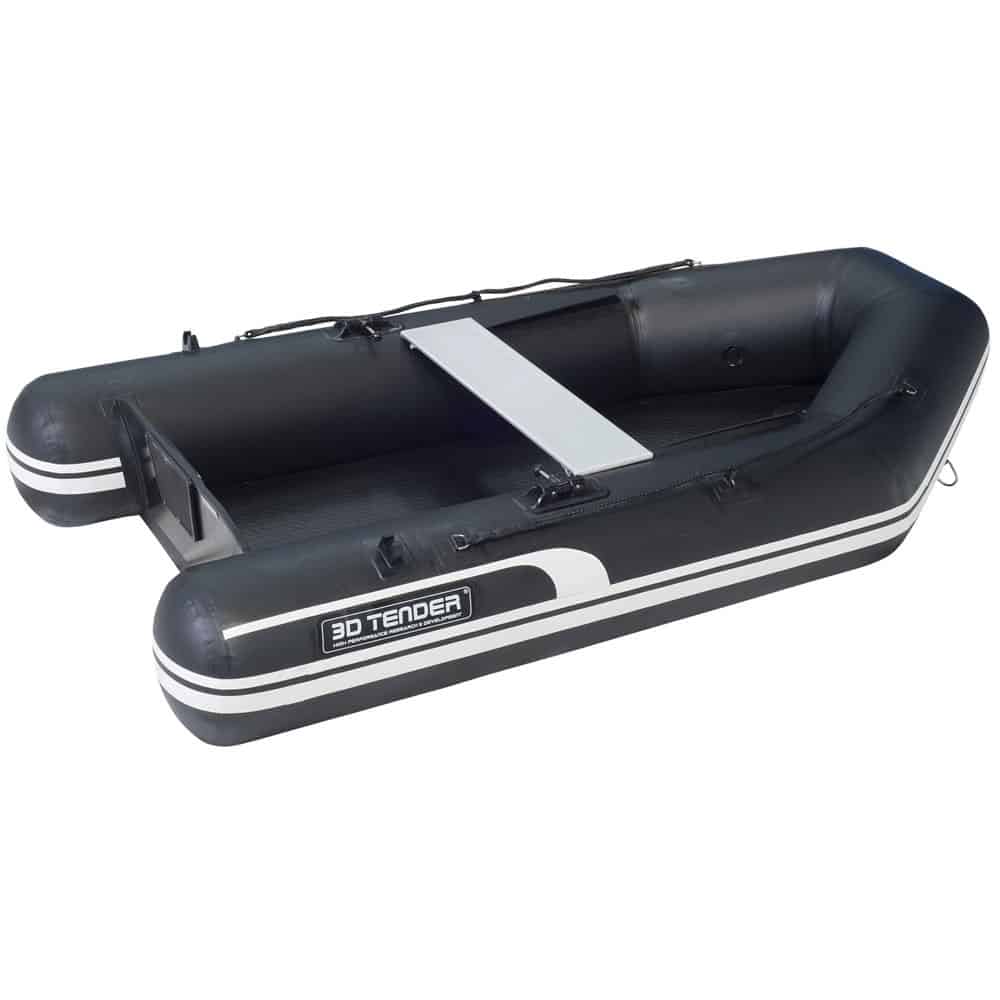
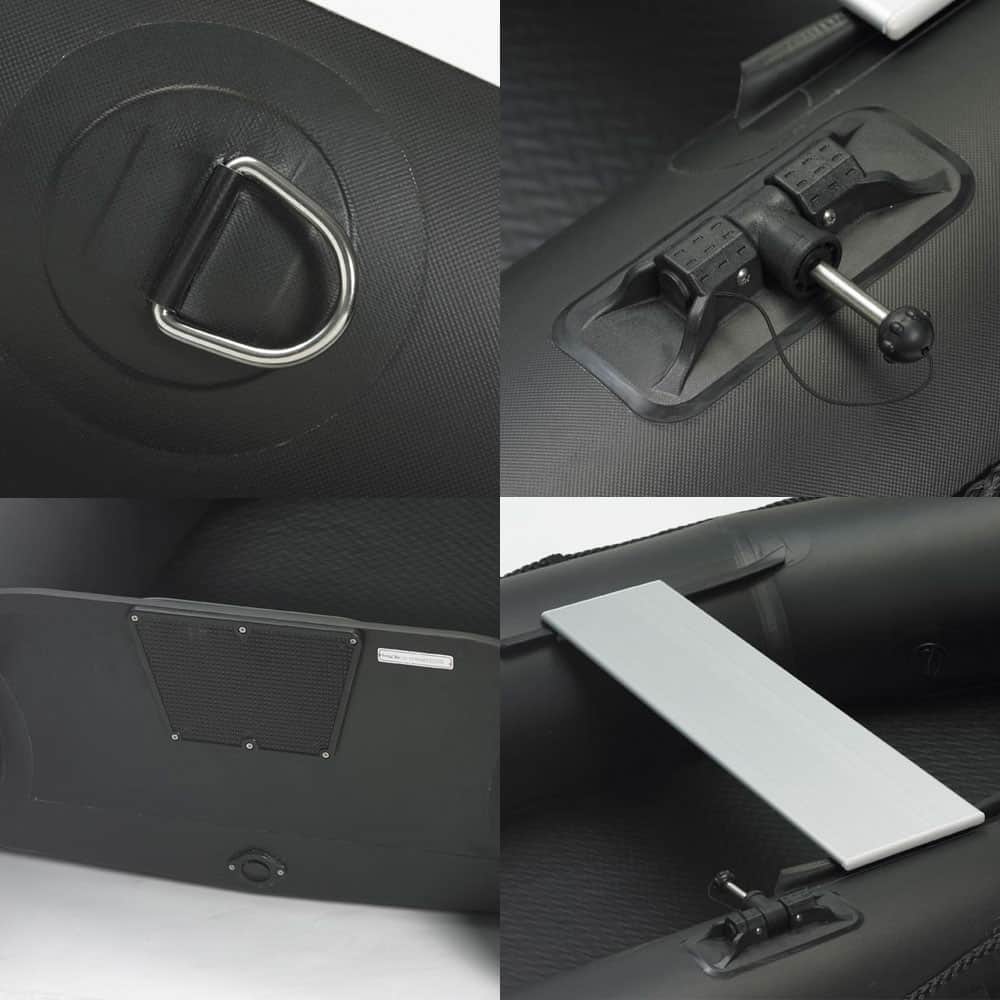
Here is your FAQs on tenders answered:
Can inflatable boats handle rough water?
Inflatable boats can handle choppy conditions better than people expect, thanks to their buoyancy and wide tubes, which helps with stability. However, they're best suited to sheltered waters and coastal use rather than prolonged exposure to rough or open sea conditions. Always check the boat's design rating and weather conditions before heading out, and operate within the manufacturer's recommended limits.
How do I choose the right size tender for my yacht or sail boat?
The right size depends how many people you need to carry and how you'll use it. Check out our guide to choosing the right tender or inflatable boat!
Do you need a license for an inflatable boat in the UK?
Good news! You do not need a license to operate a small, recreational inflatable boat in UK coastal waters. No formal qualifications are required for private use, although RYA training is recommended. You must comply with local harbour bylaws however, this may require registration.
Are inflatable boats good to use as tenders?
Yes. Inflatable terms are one of the most popular choices for tenders because they are lightweight, stable and east to launch and recover. Their buoyancy makes them well suited to marinas, anchorages and coastal conditions.
Should I keep my tender inflated?
When storing your PVC inflatable tender, it is recommended to keep your small boat inflated, ideally at a lower-than-full pressure to prevent any stress on the seams. It also ensures it is ready for immediate use. It is important to keep it covered to prevent any UV damage however.
What's the best types of boat tenders for small yachts?
Top recommendations:
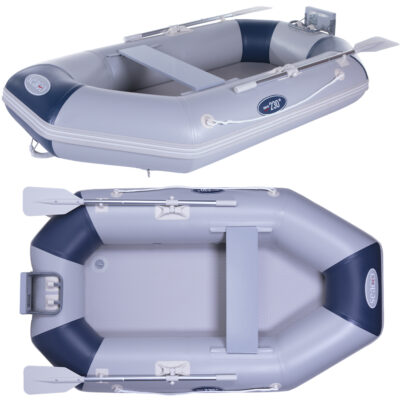
Air Deck Tenders: These are highly recommended for their balance of performance and convenience. The floor is a high pressure inflatable panel (using drop stitch technology) that becomes very rigid when inflated, yet still packs down small.
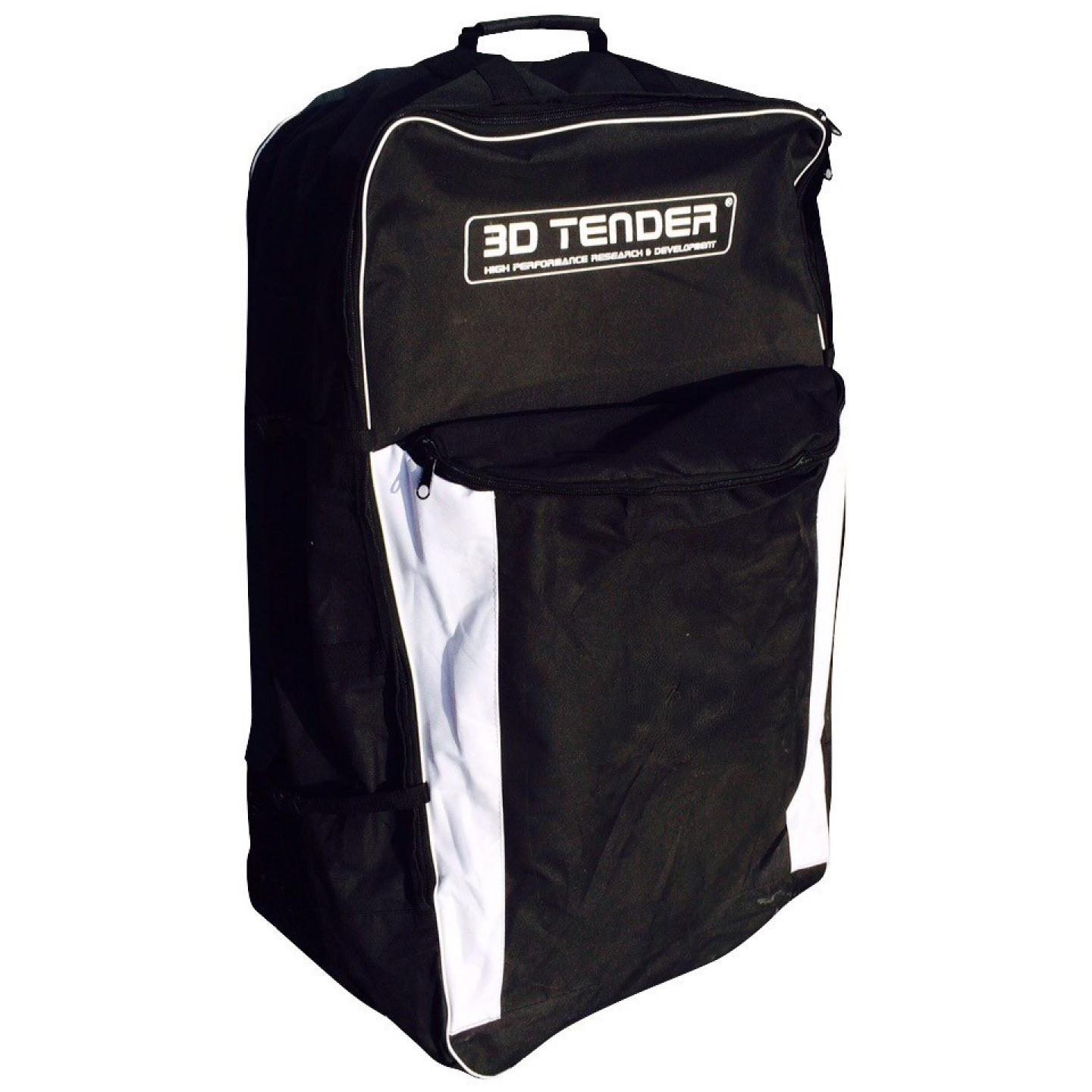
- Pros: Lightweight, comfortable underfoot, easy to assemble / disassemble, and they pack into a relatively small bag. Many models can plane well with a small outboard, especially those with an inflatable keel for directional stability.
- Cons: Can be more vulnerable to punctures from sharp objects than a hard floor, require a high-pressure pump, and may flex slightly in choppy conditions.
- Ideal for: General use, short trips, and when portability / storage space is a primary concern.
- Examples: 3D Superlight, Talamex Aqualine, Seago Go Lite
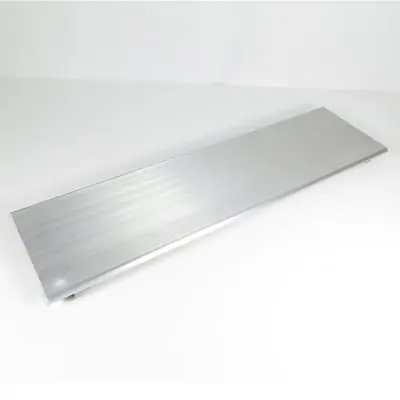
Slatted Floor Tenders: These are the simplest and lightest option available. They use small wooden or aluminium slats fitted across the bottom of the boat to provide a basic deck.
- Pros: Extremely lightweight, quick to set up and roll up, highly compact when stored. They are generally the most affordable option.
- Cons: The floor is less rigid than an air deck tender, making standing difficult and provides a less stable ride, especially in rougher water. They also don't track as well as keeled models when rowing or under power.
- Examples: Seago 230 SL, Talamex Aqualine SF


How fast can a tender go?
It is recommended that inflatable tenders shouldn’t be going very fast at all. They are used generally at lower speeds.
What is the difference between a tender boat and a life boat or liferaft?
A tender boat is for regular transport to/from shore, often for getting to your boat or sightseeing, while a life raft is purely for emergency survival, designed for quick deployment and carrying a survival kit to wait for rescue, with tenders sometimes doubling as emergency craft if certified, but liferafts are generally superior for rapid abandonment in rough seas. The key difference is purpose: transport vs. survival.
Is a tender the same as a dinghy?
Yes, for most recreational boating purposes, the terms tender and dinghy are used interchangeably and refer to the same type of small boat.
A tender is a small boat that “tends” to a larger vessel by ferrying people and supplies to and from shore or between boats when the larger vessel cannot dock. The term describes its function or purpose as an auxiliary craft.
A dinghy is a general term for a type of small, open boat, typically under 20 feet in length, that can be powered by oars, a small outboard motor, or a sail.
Essentially, a dinghy is a type of boat, and when that boat is used to service a larger vessel, it’s called a tende