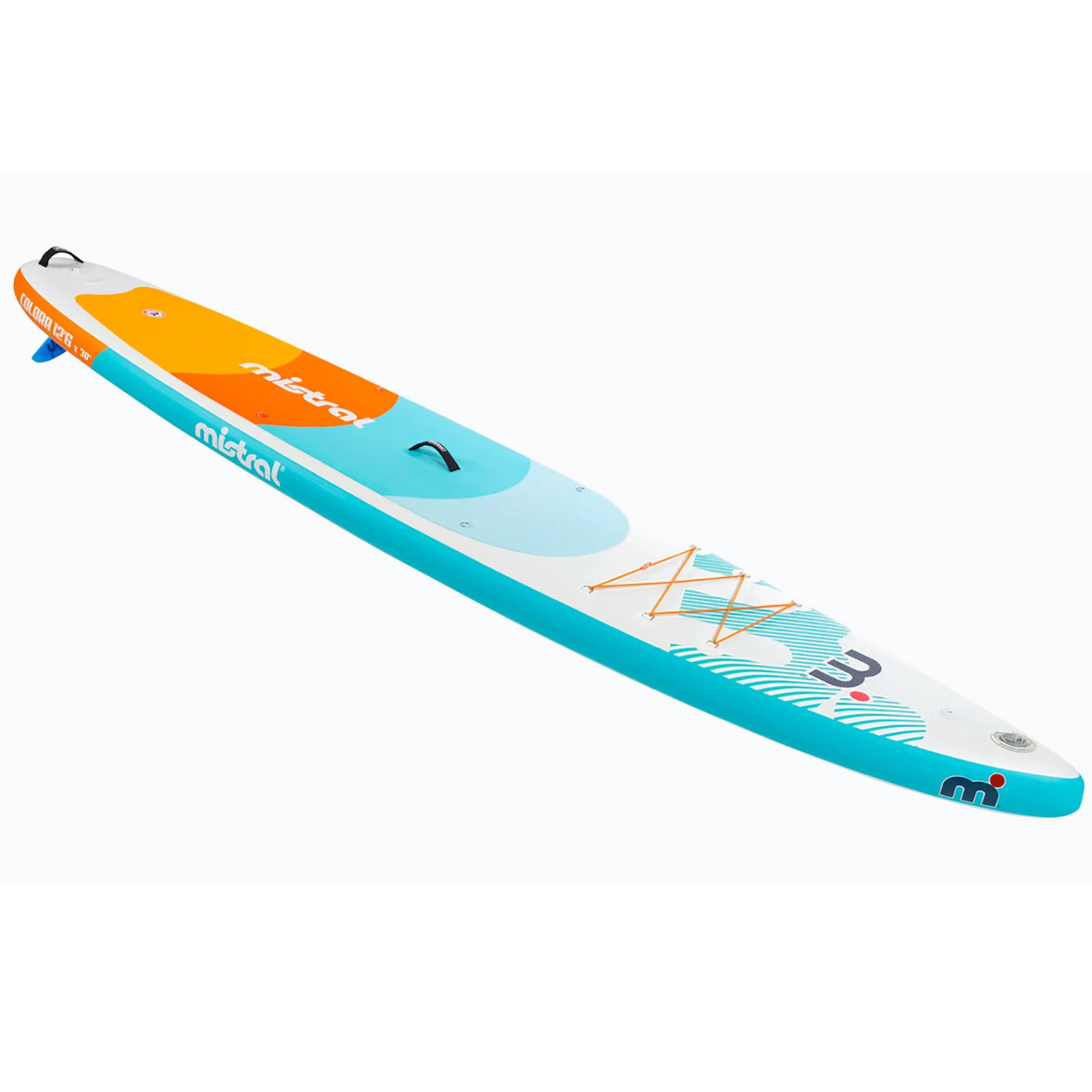
How to Choose the Right Stand Up Paddleboard: The Ultimate Buyer’s Guide

Choosing the right stand up paddleboarding (SUP) can make the difference between loving the sport and struggling every time you hit the water. With hundreds of inflatable and hard paddleboards available in different sizes, shapes and constructions, it’s easy to become overwhelmed.

The good news is that finding the perfect paddleboard doesn’t have to be complicated.

Whether you’re buying your first SUP or upgrading to a more specialised board, this guide explains everything you need to know—from board sizes and shapes to weight limits and the best paddleboards for different types of paddling.

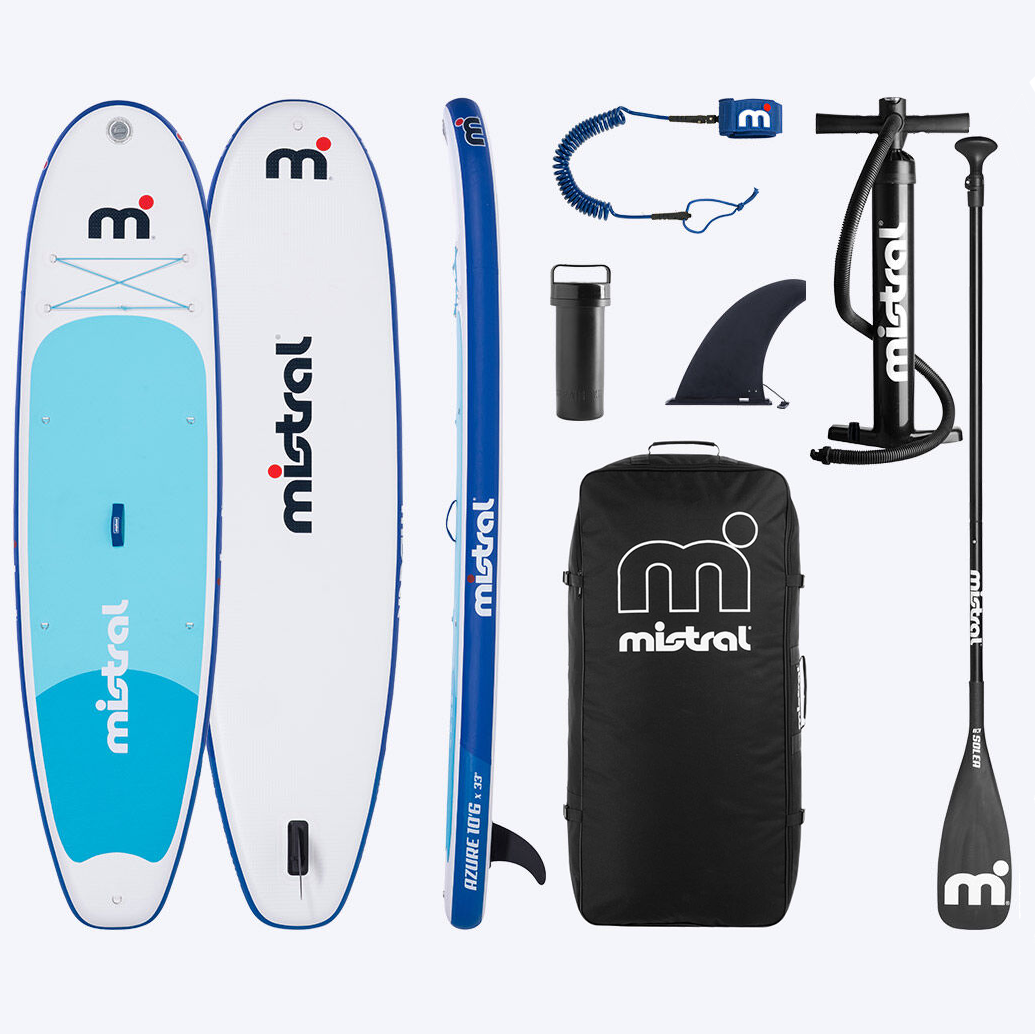
Quick Answer: What Paddleboard Should I Buy?

If you’re a complete beginner, the safest choice is:

  • Length: 10’6”–11′
  • Width: 32–34 inches
  • Thickness: 6 inches
  • Type: Inflatable all-round paddleboard
  • Weight Capacity: At least 20–30kg above your body weight

This combination offers excellent stability, versatility and value, making it suitable for lakes, canals, rivers and calm coastal waters.

Why Choosing the Right Paddleboard Matters

The wrong paddleboard can feel unstable, difficult to paddle and frustrating to use.

The right board will:

  • Improve your balance
  • Paddle straighter
  • Feel more stable
  • Carry your weight comfortably
  • Make learning significantly easier
  • Allow you to progress more quickly

Instead of choosing the cheapest board available, focus on finding one that’s designed for your size and intended use.

Step 1: Decide Where You’ll Paddle

The type of water you’ll paddle on should influence your choice more than anything else.

Lakes & Gentle Rivers

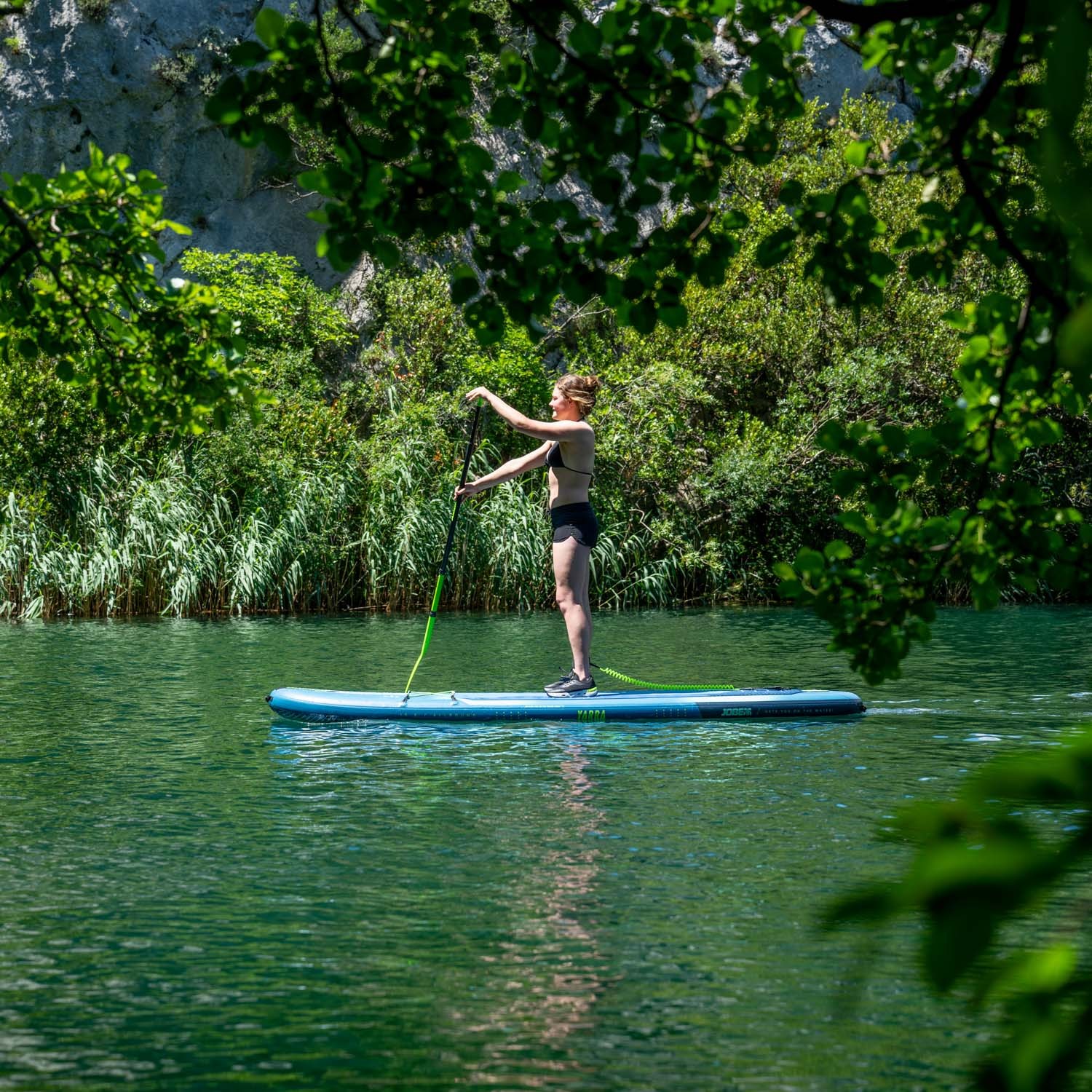
Flat-water lakes are ideal for beginners. Almost any all-round inflatable paddleboard works well here, providing stability and easy handling. Slow-moving rivers often involve tighter turns, changing currents and occasional obstacles, so you’ll benefit from a board that’s stable but easy to manoeuvre.
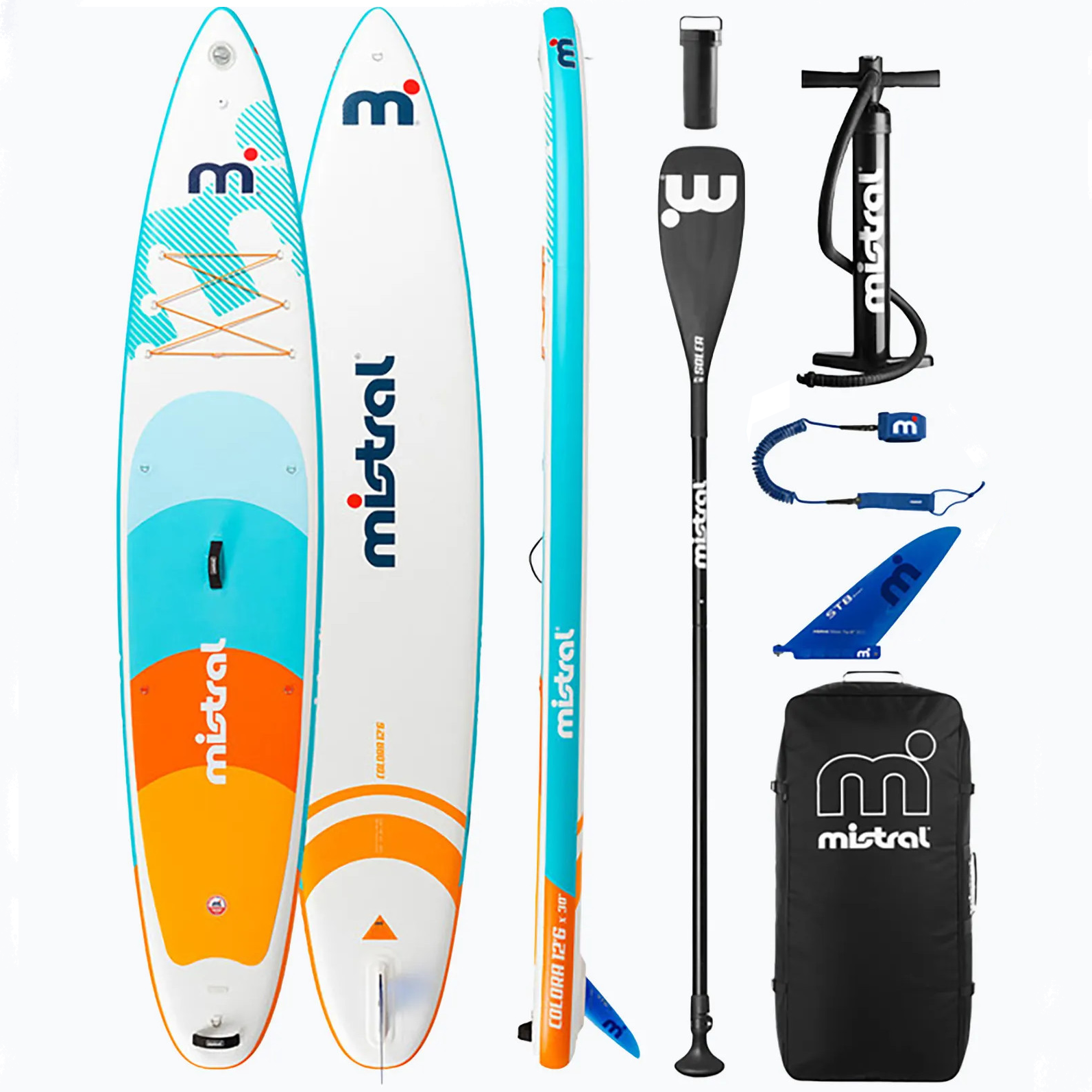
Best board:

  • All-round SUP
  • 10’6″–11′
  • 32–34″ wide

Ideal for: Beginners, families, leisure paddling, fitness, wildlife watching.
Canals & Wider Rivers

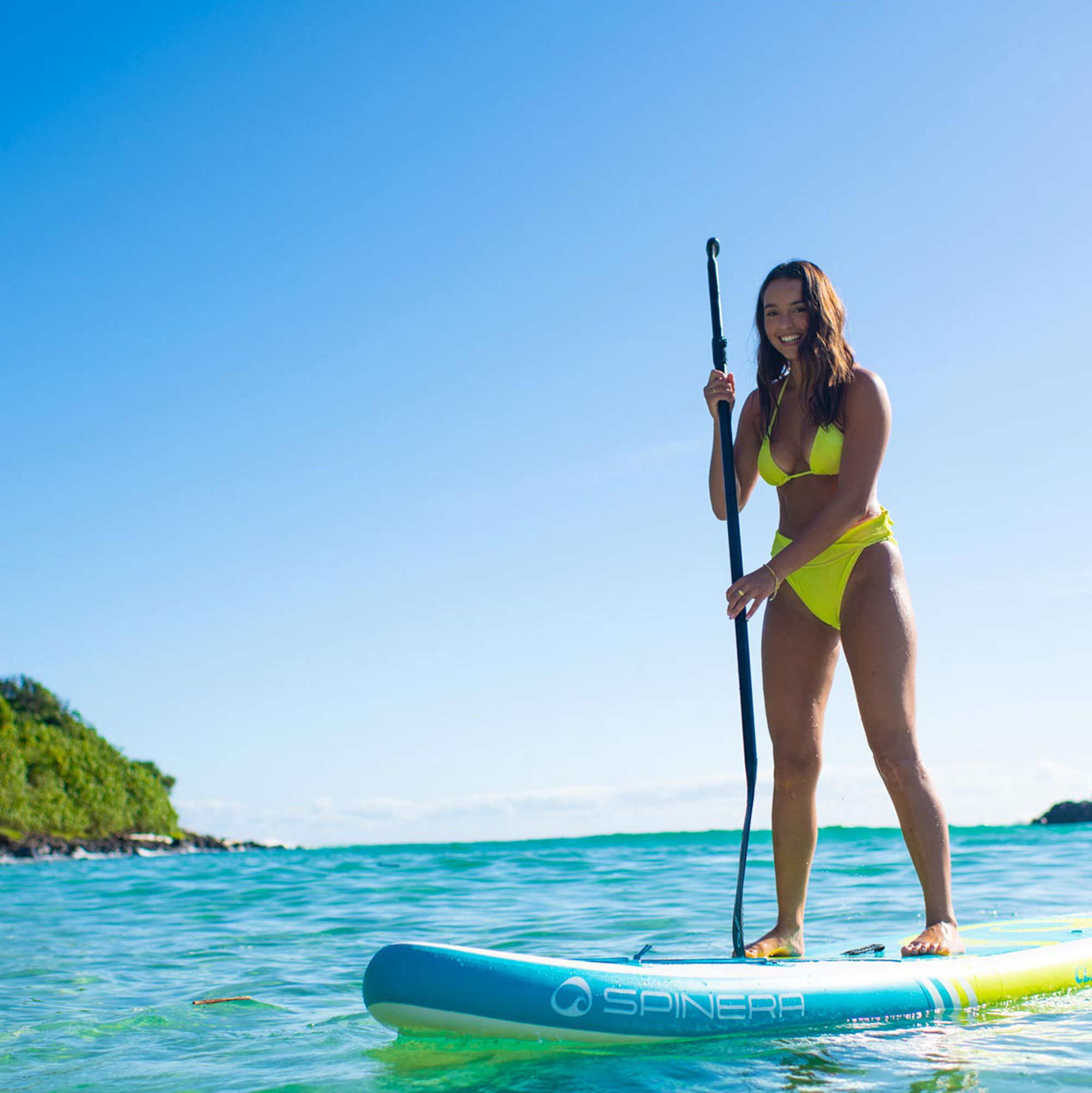
Canals are typically calm and sheltered, making them one of the easiest places to learn paddleboarding. Since you’ll usually paddle in a straight line, a slightly longer board can make covering distance easier. If you’re paddling wider rivers or planning longer journeys, an 11’6″–12′ touring board will provide better glide and tracking.
Recommended board:

  • Length: 10’6″–11’6″
  • Width: 32–33 inches
  • Type: All-round or Touring SUP

Ideal for: Leisure paddling, longer distance paddles, fitness sessions, day trips, exploration.

Coastal Waters

The sea introduces wind, chop, tides and small waves, so stability becomes increasingly important. A well-built board with good rigidity will help you paddle more confidently in changing conditions.

Recommended board:

  • Length: 10’6″–12′
  • Width: 32–34 inches
  • Type: All-round or Touring SUP

Ideal for: Coastal exploration, beach paddling, small waves, longer sea paddles (in suitable conditions).

Please Note: If you’re mainly exploring bays and coastlines, a 12′ touring board offers better speed and tracking. If you’ll occasionally play in small waves, a 10’8″–11′ all-round board provides greater manoeuvrability.

Open Sea & Touring

For experienced paddlers covering longer distances offshore or along the coastline, a dedicated touring board is the preferred choice.

Recommended board:

  • Length: 12’–14′
  • Width: 30–32 inches
  • Type: Touring SUP

These boards are designed for efficiency, allowing you to paddle further with less effort while carrying camping equipment or dry bags. Ideal for: Long-distance touring, expedition paddling, fitness, experienced paddlers.

Step 2: Understand Paddleboard Length

Board length affects speed, tracking and manoeuvrability.

Under 10’6″

Ideal for: Smaller paddlers, surfing, children, playing in waves

Pros:

  • Easy to turn
  • Lightweight
  • Fun and responsive

Cons:

  • Slower
  • Less stable
  • Lower weight capacity

10’6″–11′

This is the sweet spot for most paddlers.

Perfect for:

  • Beginners
  • Families
  • Fitness paddling
  • General recreation

Pros:

  • Excellent stability
  • Versatile
  • Easy to control
  • Suitable for most adults

12′ and Longer

Designed for covering distance efficiently.

Ideal for:

  • Touring
  • Fitness
  • Expeditions
  • Heavier riders

Pros:

  • Faster
  • Better glide
  • Tracks straighter
  • Carries more equipment

Cons:

  • Harder to turn
  • Less suitable for surfing

Step 3: Choose the Correct Width

Width determines how stable the paddleboard feels.

30–31″

Suitable for:

  • Experienced paddlers
  • Faster paddling
  • Racing

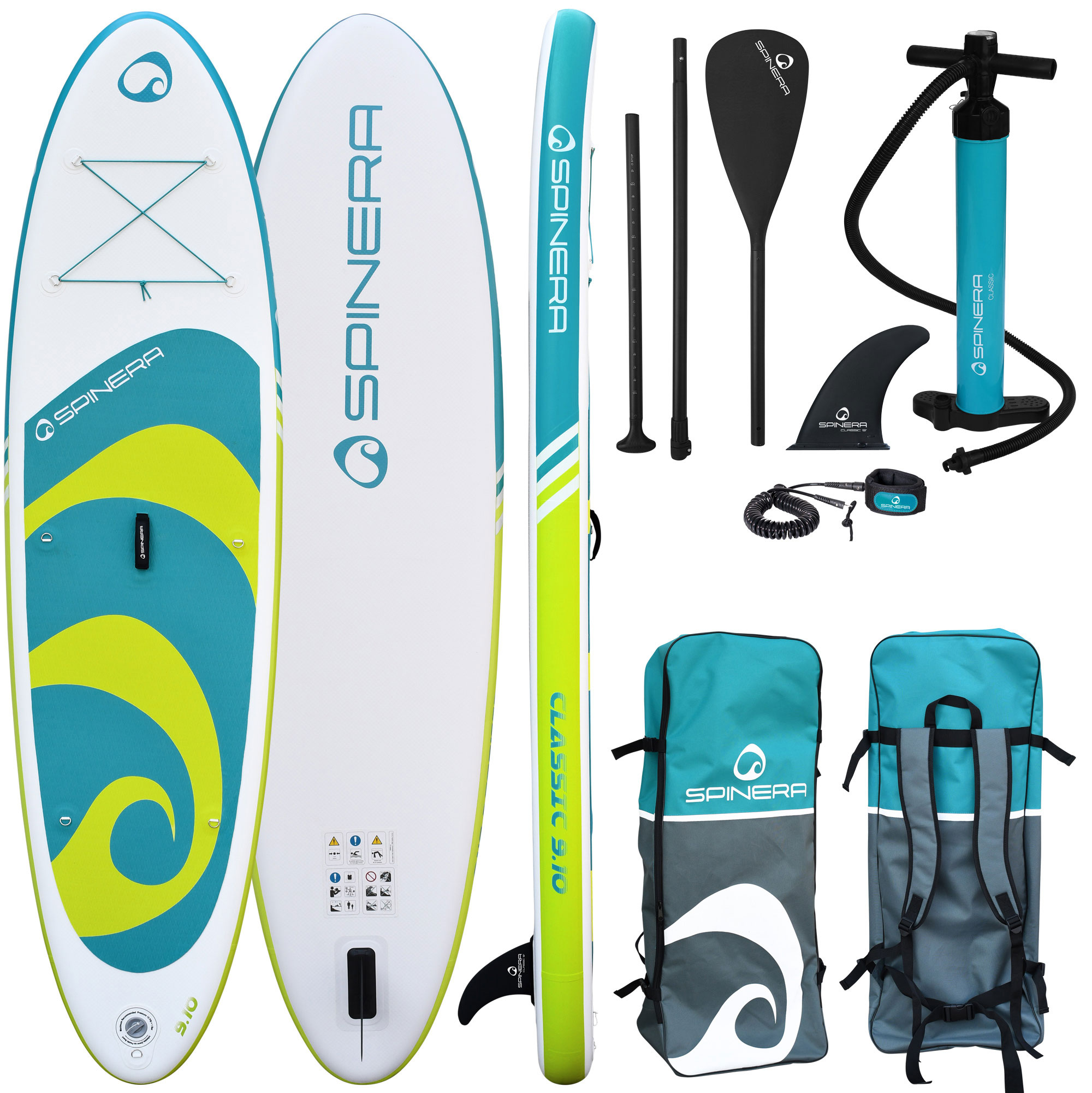
Please note: Children’s / boards suitable for smaller people may also be this size or smaller e.g Jobe Aero Yama 8.6 or Spinera SUP Classic 10.0

32–33″

Ideal for:

  • Most adults
  • Beginners
  • General paddling

34–36″

Perfect for:

  • Larger riders
  • Yoga
  • Fishing
  • Families
  • Taking children or dogs

Step 4: Check the Weight Capacity

As a rule:

  • Choose a board with a capacity comfortably above your own weight.
  • If you’ll carry camping gear, children or pets, allow additional capacity.

General / Rough Guide – Not Definitive

Rider Weight Recommended Board Size
Under 70kg 10′ All-Round
70–90kg 10’6″–11′
90–110kg 11’–12′
110kg+ 12′ Touring or Extra Wide

Step 5: Why We Recommend Inflatable Paddleboards

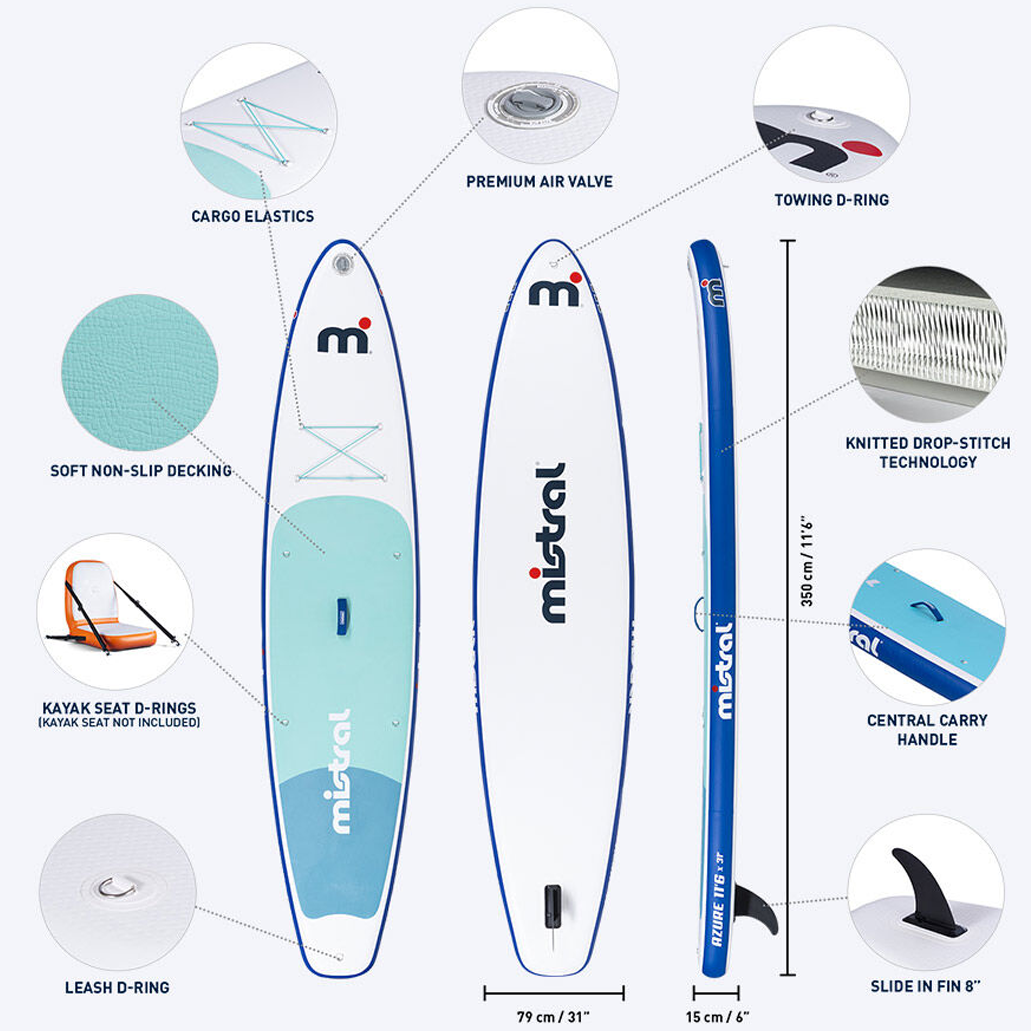
Years ago, rigid paddleboards were the standard choice, but modern inflatable paddleboards (iSUPs) have transformed the sport. Thanks to advances in drop-stitch technology and multi-layer construction, today’s premium inflatable boards offer excellent rigidity, stability and durability, making them the preferred option for most paddlers.

For beginners and recreational paddlers, an inflatable SUP is usually the best choice.

Benefits of an Inflatable Paddleboard

Inflatable SUPs roll up into a backpack, making them easy to fit in the boot of almost any car. There’s no need for roof racks or a large vehicle.

Unlike rigid boards, inflatable paddleboards take up very little space when deflated, making them ideal if you have limited storage at home.

Inflatable boards have a slightly softer feel underfoot and are designed with wide, stable shapes that inspire confidence, especially for beginners.

Modern inflatable SUPs are made using high-density drop-stitch cores and reinforced PVC layers, making them tough enough to withstand regular use on lakes, rivers, canals and the coast.

If you’re sharing your paddleboard with friends, children or even a dog, an inflatable SUP offers a forgiving and stable platform that’s comfortable for everyone.

Are Rigid Paddleboards Better?

Rigid paddleboards still have their place, particularly for experienced paddlers who focus on racing, surfing or high-performance touring. They can offer slightly improved glide and responsiveness in specific conditions.

However, for the vast majority of paddlers, the convenience of an inflatable SUP far outweighs these small performance differences.

Unless you’re competing or surfing regularly, a quality inflatable paddleboard will provide everything you need to enjoy the water with confidence.

Our Recommendation

For most paddlers, we recommend a 10’6″ inflatable all-round paddleboard. It offers an excellent balance of stability, manoeuvrability and portability, making it suitable for lakes, rivers, canals and sheltered coastal waters.

If you’re planning longer journeys or carrying extra equipment, a 12′ inflatable touring paddleboard provides improved glide and tracking while maintaining the convenience of an inflatable design.

Step 6: Construction Quality

Not all inflatable paddleboards are built the same.

Look for:

  • High-density drop stitch construction
  • Double-layer PVC
  • Reinforced rails
  • Durable carry handles
  • Quality inflation valve
  • Comfortable EVA deck pad

A better-built board feels noticeably stiffer on the water, improving speed, stability and overall performance.

Step 7: Accessories to Look For

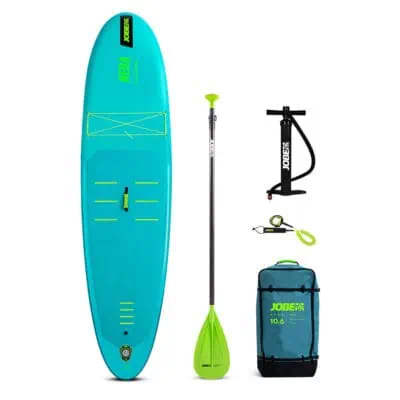
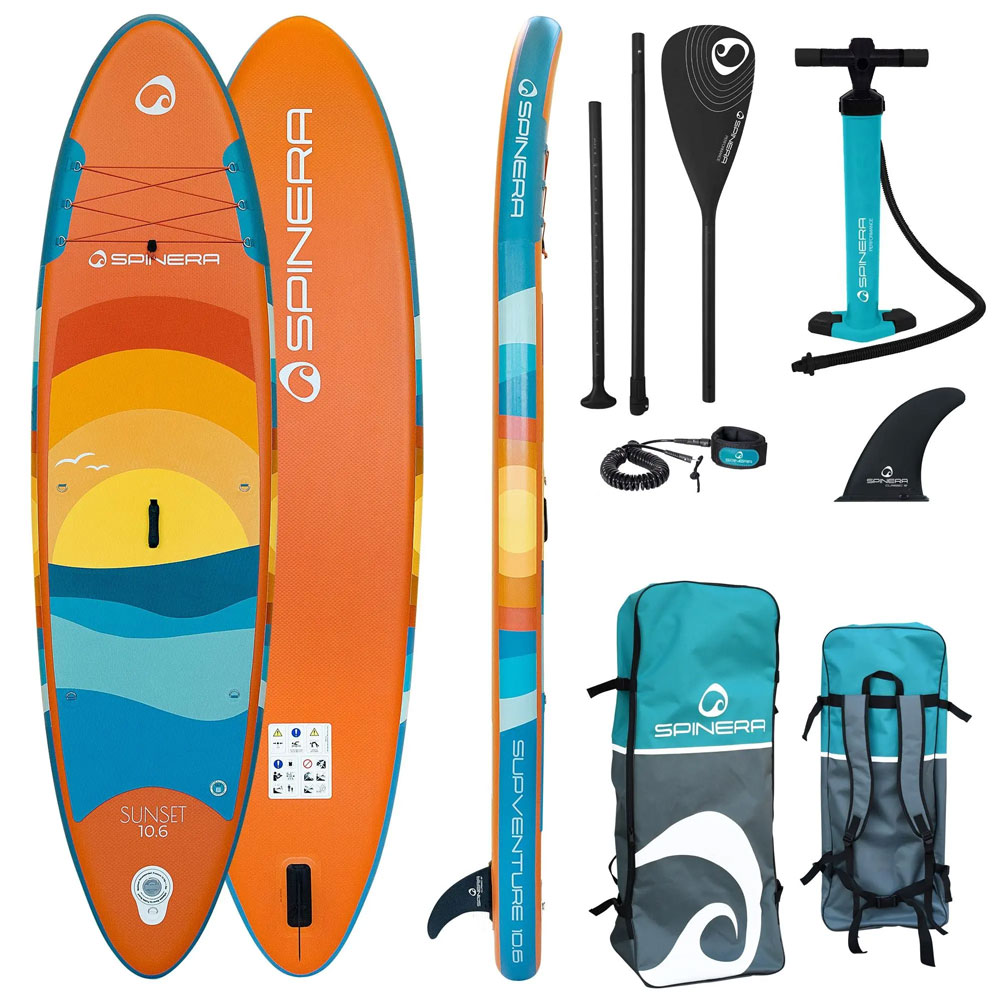
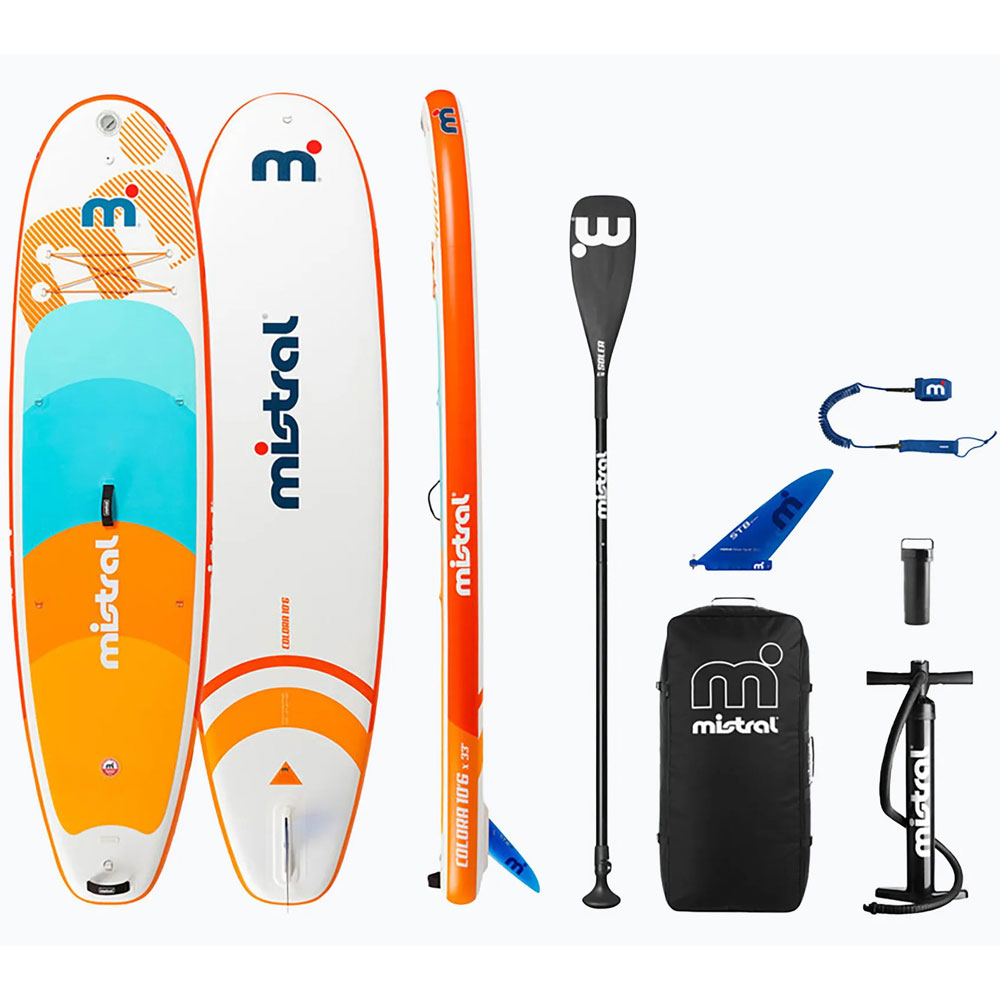
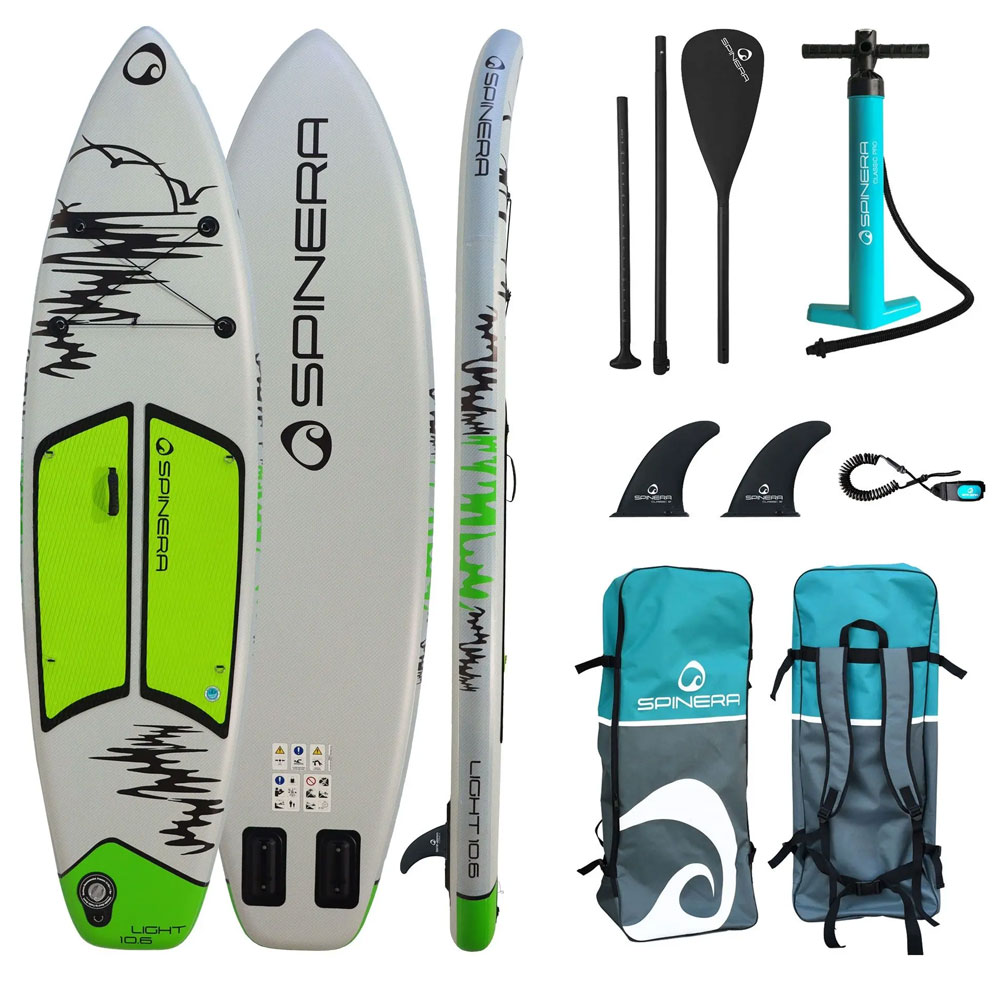
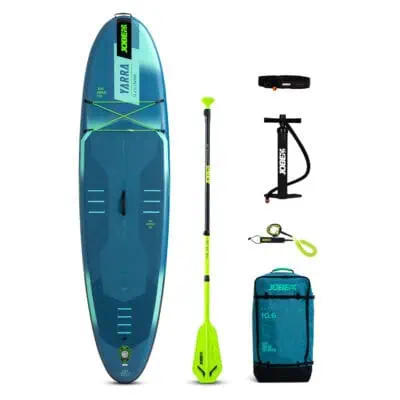
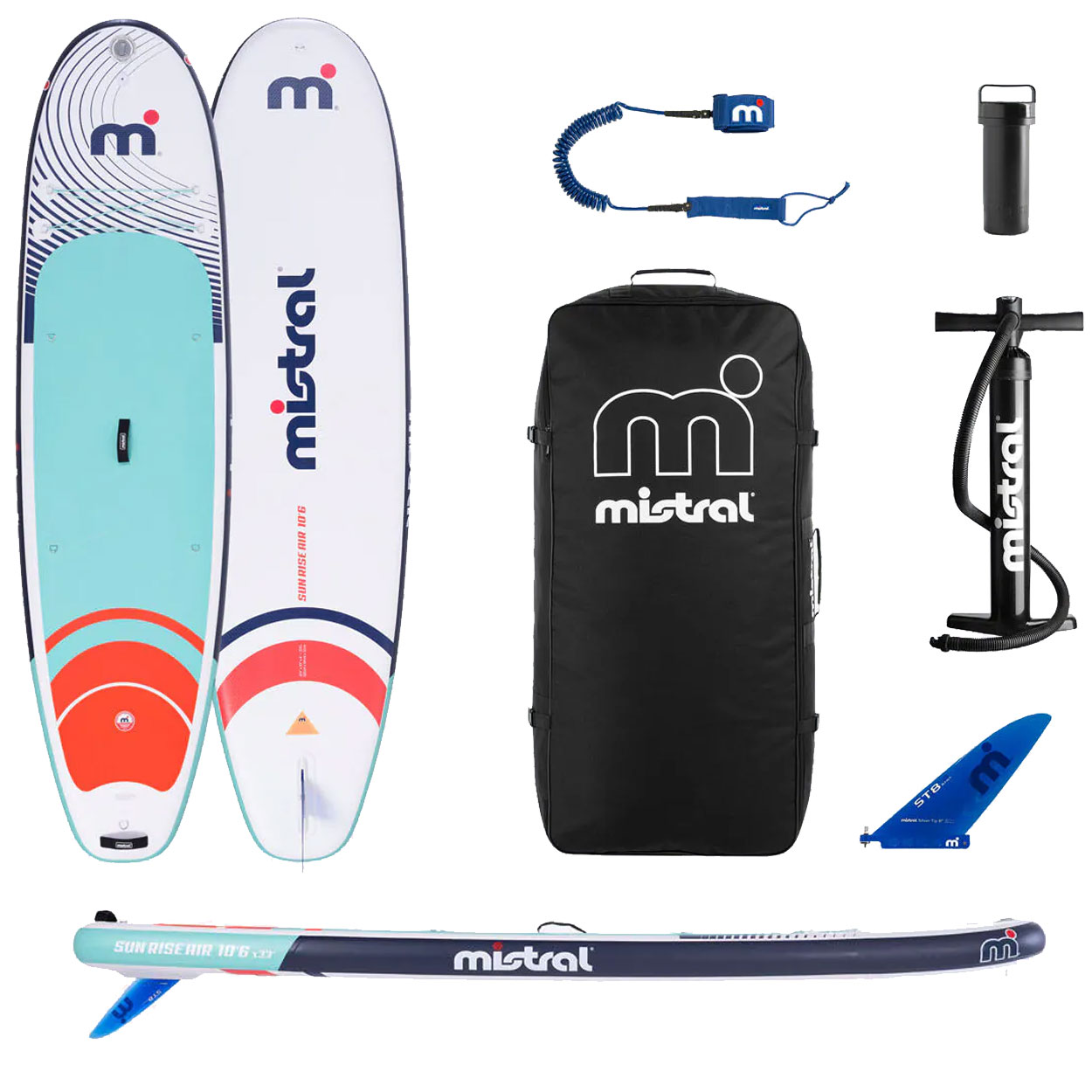
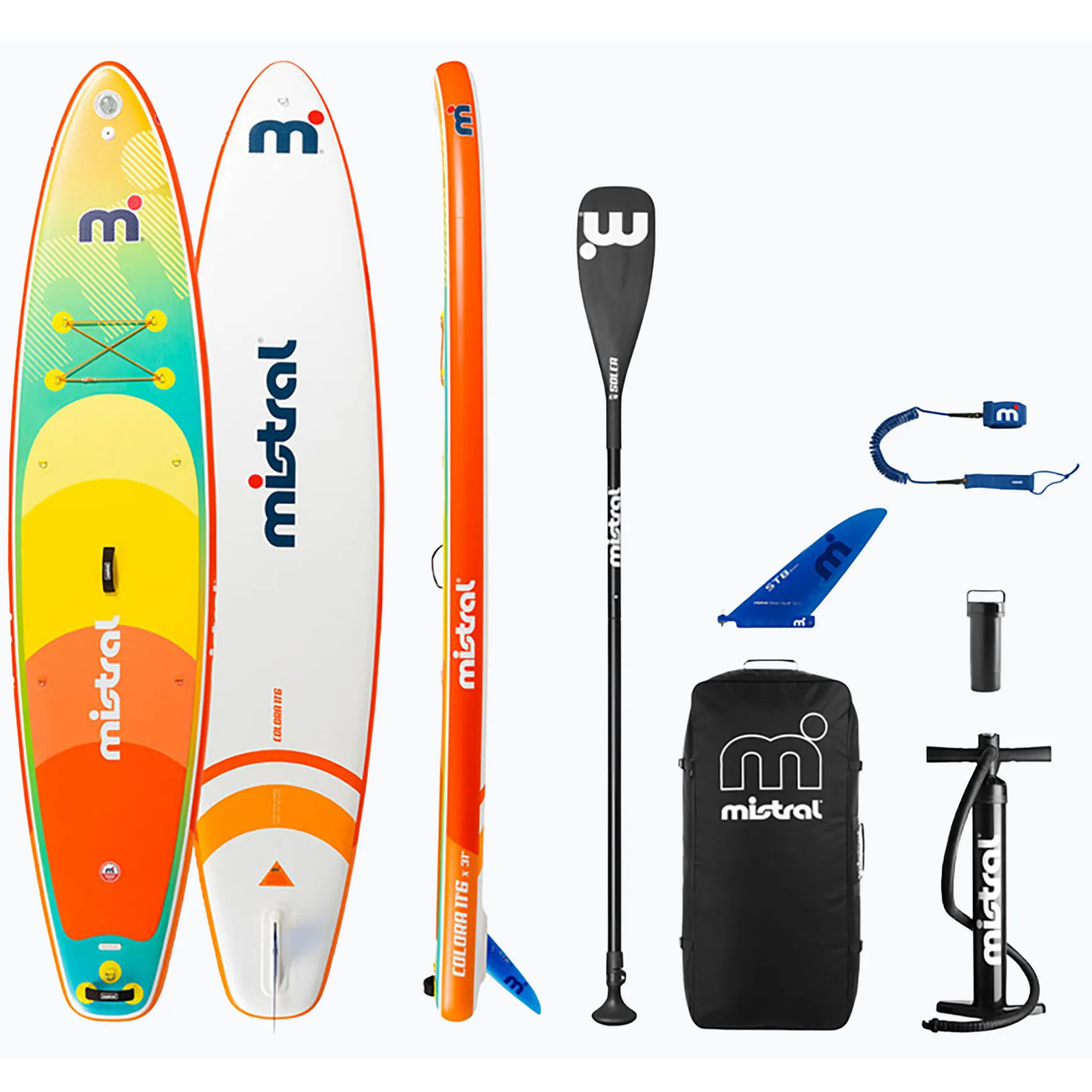
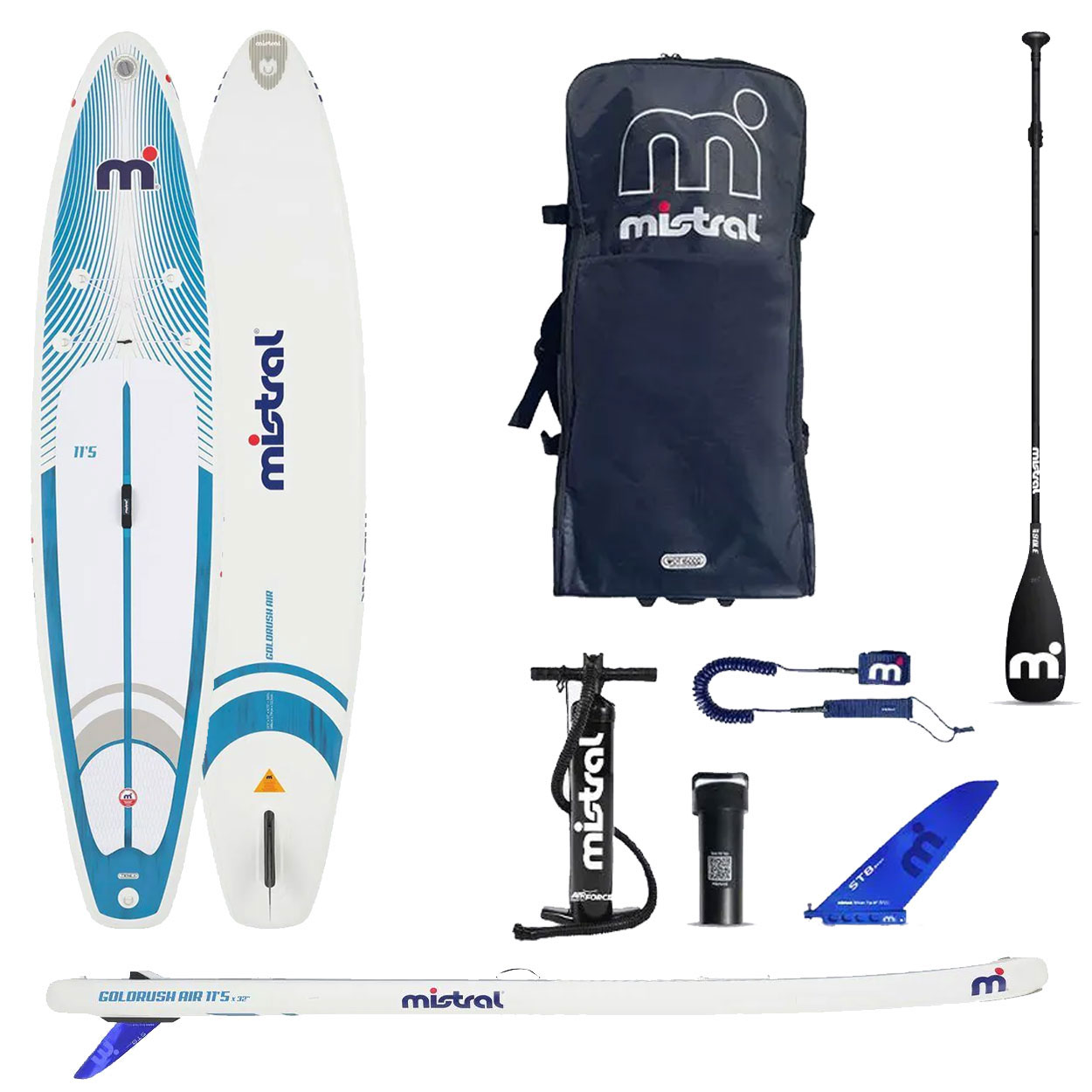
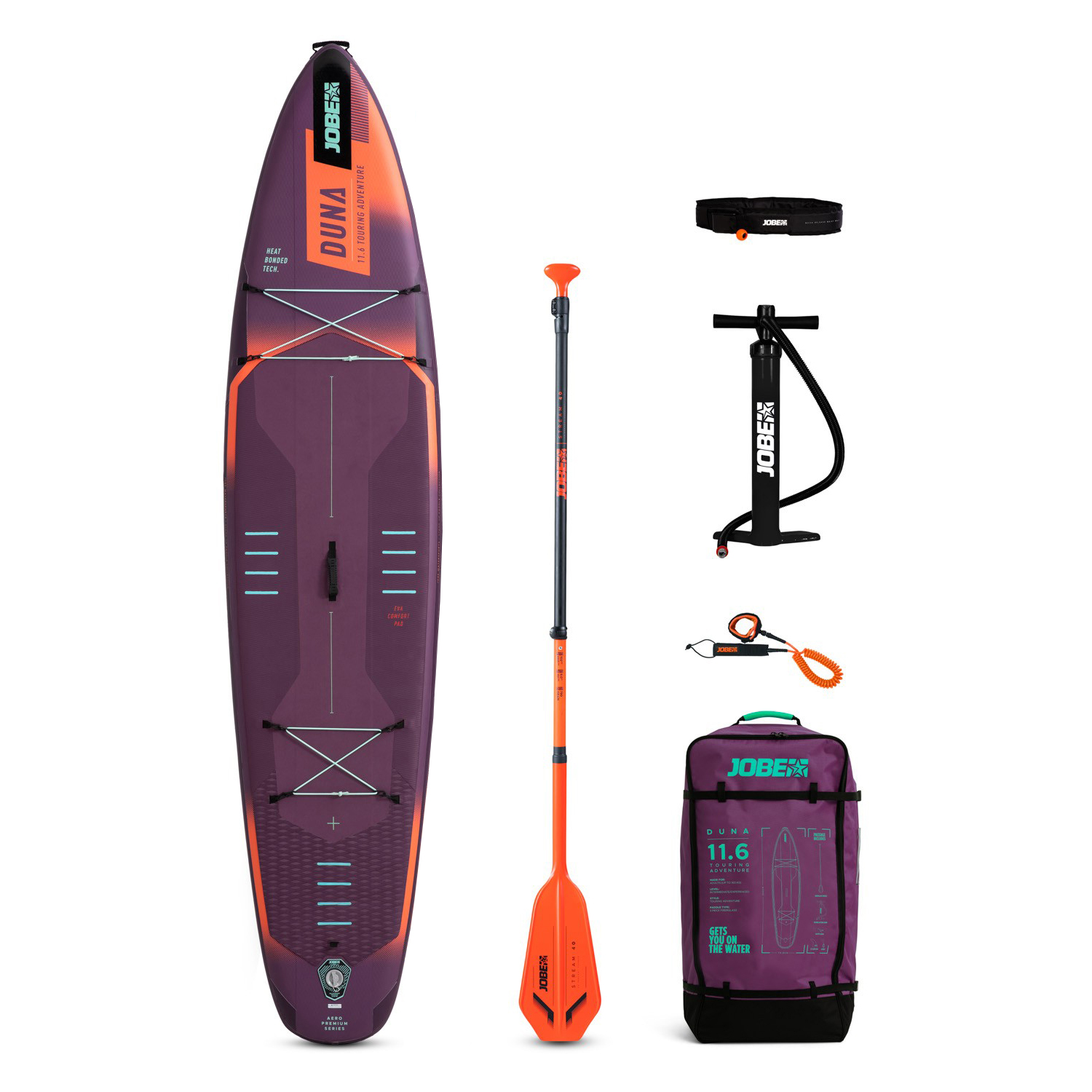
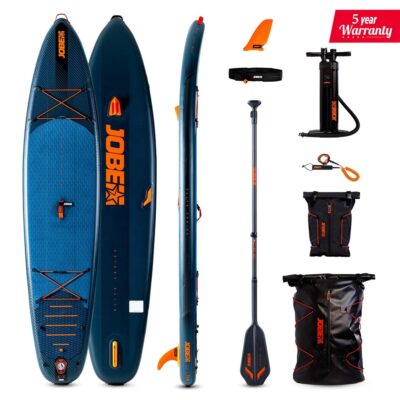
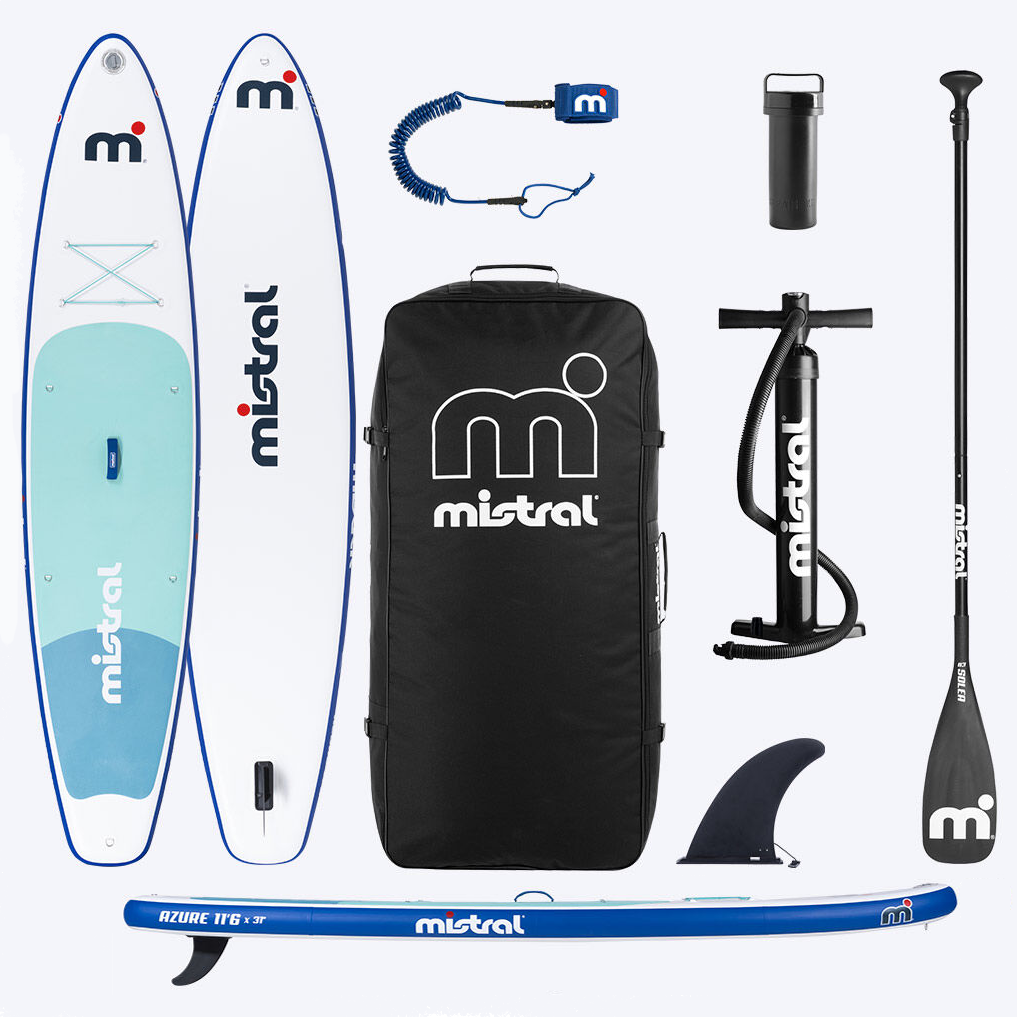
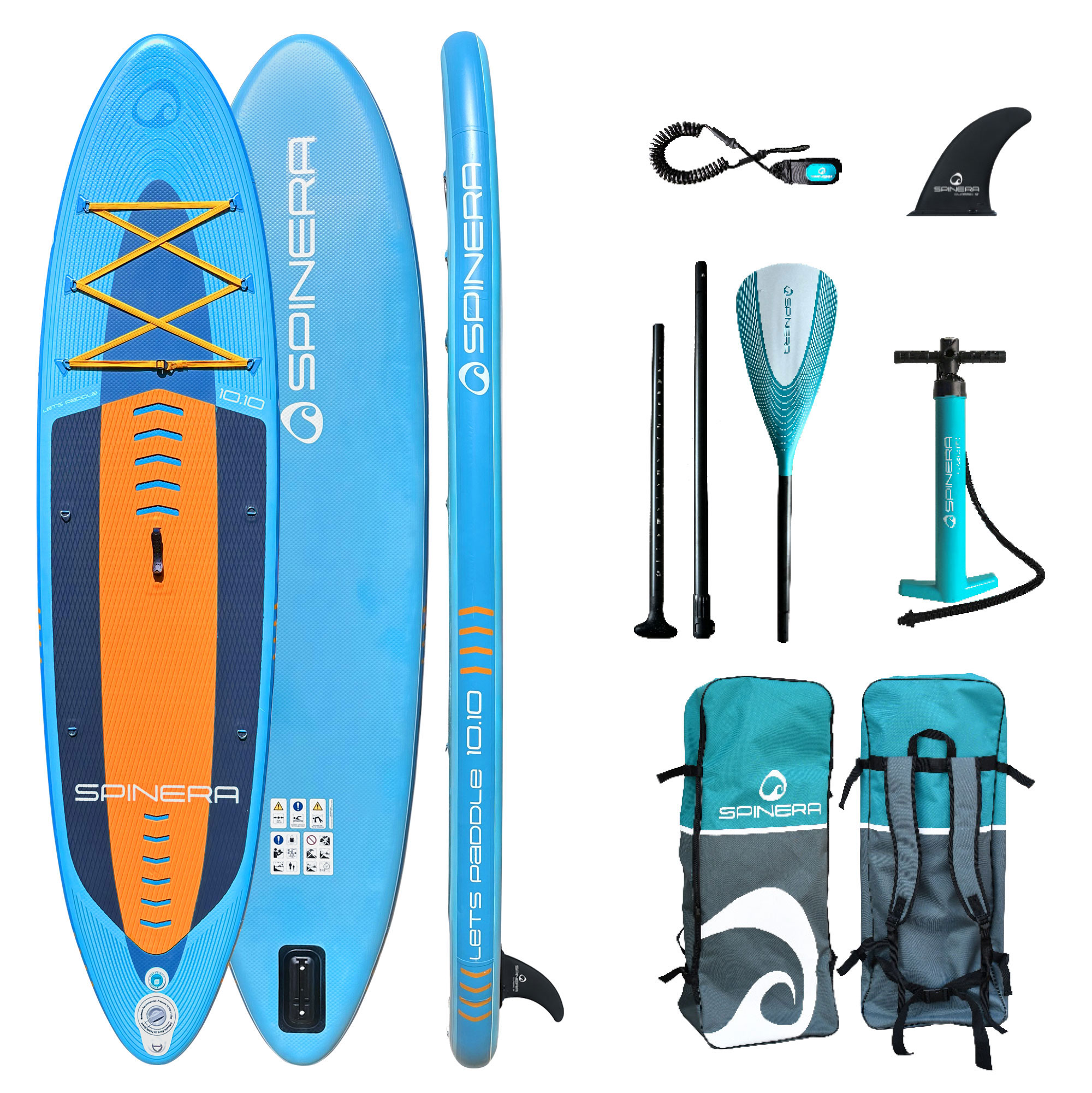
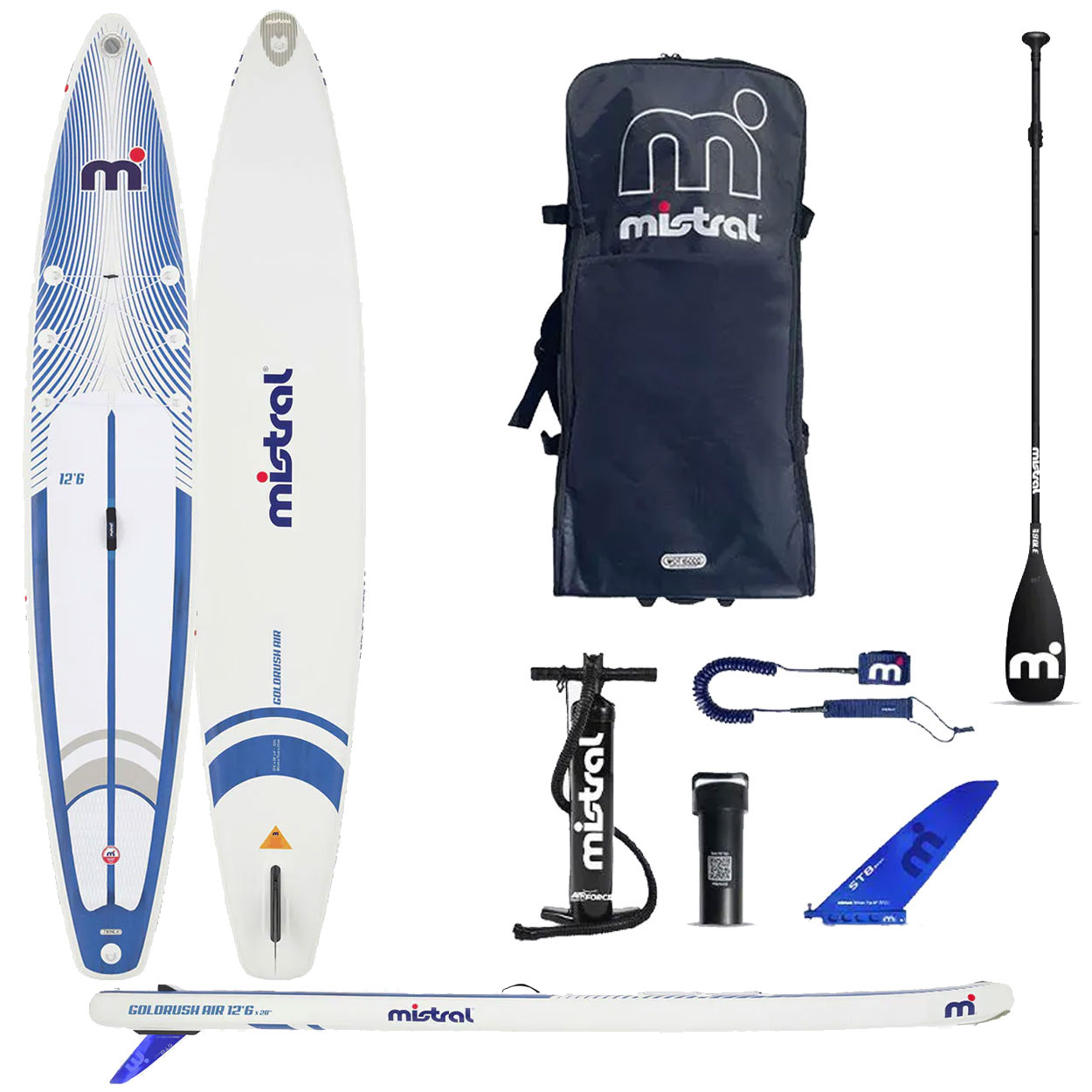
Paddleboard packages can include:

  • Adjustable paddle
  • High-pressure pump
  • Carry backpack
  • Safety leash
  • Centre fin
  • Repair kit

Some may also include:

  • Waterproof phone case
  • Dry bag
  • Kayak conversion seat
  • Convertible paddle
  • Electric pump

Shop our entire paddleboarding range here – including accessories.

Common Mistakes to Avoid

Buying the Cheapest Board

Lower-priced boards often compromise on materials, rigidity and durability.

Choosing a Board That’s Too Small

A board that’s too short or narrow will feel unstable and harder to learn on.

Ignoring Weight Limits

Exceeding the recommended capacity affects stability and performance.

Forgetting About Storage

Hard boards require significant storage space, while inflatable boards can be packed away when not in use.

Buying for Today Instead of Tomorrow

Consider how your paddling may develop. If you expect to take longer trips or paddle more frequently, it may be worth investing in a higher-quality board from the start.


Stand Up Paddleboarding FAQ's

A 10'6" to 11' inflatable all-round paddleboard, around 32–34 inches wide, is ideal for most beginners.

Yes. High-quality inflatable SUPs inflated to the recommended pressure are extremely stable and are often easier for beginners than hard boards.

Yes. Choose a wider board with a higher weight capacity and a large, non-slip deck pad.

Most inflatable paddleboards perform best between 15 and 20 PSI. Always follow the manufacturer's recommendation.

Yes. A leash keeps you connected to your board if you fall in and is an essential piece of safety equipment.

Final Thoughts

The best paddleboard is the one that matches your size, skill level and the type of paddling you enjoy most.

For the majority of paddlers, an inflatable all-round SUP between 10’6″ and 11′ long offers the ideal balance of stability, portability and performance. As your confidence grows, you can explore specialist touring, surfing or racing boards to suit your evolving adventures.

By considering where you’ll paddle, your weight, experience and future goals, you’ll be well equipped to choose a stand up paddleboard that provides years of enjoyment on the water.