


Not sure whether you need a 3/2mm, 4/3mm or 5/4mm wetsuit? This guide explains how wetsuit thickness works, which wetsuit is best for different water temperatures, and how to choose the right suit for surfing, paddleboarding, swimming and other watersports.
Which Wetsuit Thickness Do I Need?
Buying a wetsuit can be confusing, especially when you’re faced with numbers like 3/2mm, 4/3mm, or 6/5/4mm. While thicker wetsuits generally provide more warmth, choosing the right one depends on several factors, including water temperature, your activity, session length, and how easily you feel the cold.
In this guide, we’ll explain exactly what wetsuit thickness means, when to wear each type, and how to stay comfortable in the water all year round.
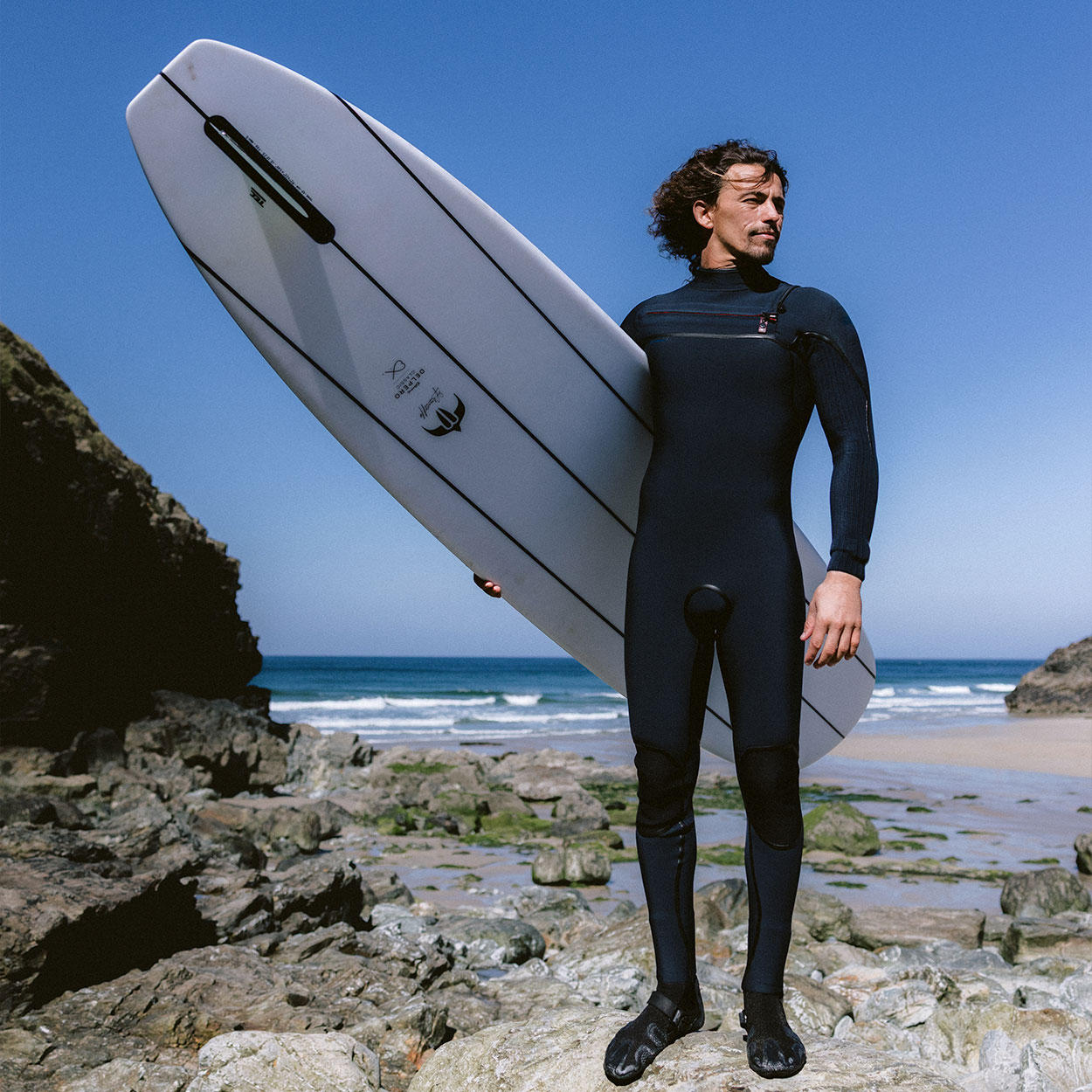
How Do Wetsuits Keep You Warm?
One of the biggest myths is that wetsuits are waterproof.
They’re not.
Instead, wetsuits are made from neoprene, a foam rubber filled with millions of tiny gas bubbles that provide excellent insulation.
When you enter the water, a very thin layer flows into the suit through the neck, cuffs or zip. Your body quickly warms this water, while the neoprene slows heat loss and helps maintain your body temperature.
Premium wetsuits don’t stop water entering completely, but they dramatically reduce it by using:
- Glued and blind-stitched seams
- Internal seam taping
- Liquid seam seals
- Better neck and wrist seals
- Chest-zip construction
- Thermal lining materials
These features reduce flushing—the constant movement of cold water through the wetsuit—which is what makes you feel cold.
If you need to stay completely dry, you’ll need a drysuit rather than a wetsuit.
What Do Wetsuit Thickness Numbers Mean?
Wetsuit thickness is measured in millimetres (mm).
For example:
2/2mm
2mm neoprene throughout the suit.
Ideal for:
- Tropical destinations
- Warm summer water
- Maximum flexibility
3/2mm
- 3mm torso
- 2mm arms and legs
The thicker torso keeps your core warm while the thinner limbs improve paddling and movement.
4/3mm
- 4mm torso
- 3mm limbs
Perfect for spring, autumn and cooler water.
5/4mm
- 5mm torso
- 4mm arms and legs
Designed for cold-water surfing and winter watersports.
6/5/4mm
Extra insulation around the body’s core with slightly thinner panels where flexibility is most important.
Best suited to very cold winter conditions.
Wetsuit Thickness Guide by Water Temperature
| Water Temperature | Recommended Wetsuit | Accessories |
| 27°C+ (81°F+) | Rash vest or swimwear | None |
| 24–27°C | 1–2mm Shorty | Optional |
| 20–24°C | 2/2mm or 3/2mm Full Suit | None |
| 16–20°C | 3/2mm Full Suit | Optional boots |
| 12–16°C | 4/3mm Full Suit | Boots recommended |
| 9–12°C | 5/4mm Full Suit | Boots & hood |
| 6–9°C | 5/4mm or 6/5/4mm | Hood, boots & gloves |
| Below 6°C | 6/5/4mm+ | Full winter accessories |
Best Wetsuit Thickness for UK Waters
The UK has some of Europe’s best surfing, paddleboarding and open water swimming—but water temperatures remain relatively cool throughout the year.
Summer (June–September)
Typical water temperature:
16–20°C
Recommended:
- 3/2mm Full Wetsuit
- 2mm Shorty for exceptionally warm spells
Spring & Autumn
Typical water temperature:
12–16°C
Recommended:
- 4/3mm Full Wetsuit
- Neoprene boots
Winter
Typical water temperature:
6–10°C
Recommended:
- 5/4mm or 6/5/4mm Wetsuit
- Hood
- Boots
- Gloves
Choosing a Wetsuit for Different Watersports


Activities
Surfing
Surfing usually requires a thicker wetsuit than most other watersports because you’ll spend a lot of time sitting in the water waiting for waves. During wipeouts and duck dives, cold water can also enter the suit, making warmth even more important. Flexibility is still essential, particularly through the shoulders, so modern surf wetsuits use thinner neoprene in the arms to make paddling easier.
Recommended thickness (temperature shown is water temperature)
- 20°C+ – 2/2mm or Shorty
- 16–20°C – 3/2mm
- 12–16°C – 4/3mm
- Below 12°C – 5/4mm or 6/5/4mm with boots, gloves and a hood


Paddleboarding
Stand Up Paddleboarding is a much more active sport than surfing. Since you’re constantly paddling and standing above the water, your body generates more heat and you’re less exposed to cold water for extended periods. Many SUP riders actually prefer a slightly thinner wetsuit to avoid overheating, especially during long-distance paddles.
If you’re planning to paddle in winter or on large open water, remember that if you fall in you’ll still need enough insulation to stay comfortable. And if it’s extremely cold drysuits are sometimes a better option.
Recommended thickness (temperature shown is water temperature)
- 20°C+ – Rash vest or 2mm
- 16–20°C – 2/2mm or lightweight 3/2mm
- 10–16°C – 3/2mm or 4/3mm
- Below 10°C – 5/4mm with winter accessories
Open Water Swimming
Open water swimming presents unique challenges because your body remains fully submerged throughout the session. Swimming wetsuits are designed differently from surfing wetsuits, using thinner, more flexible shoulder panels and buoyant neoprene to improve swimming efficiency while still providing warmth.
If you’re training regularly, choose a wetsuit specifically designed for swimming rather than surfing.
Recommended thickness (temperature shown is water temperature)
- 18°C+ – 2–3mm swimming wetsuit
- 12–18°C – 3/2mm swimming wetsuit
- Below 12°C – Thicker swimming wetsuit with thermal accessories where appropriate
Always follow local event regulations if you’re swimming competitively, as many races have minimum and maximum wetsuit requirements.
Kayaking & Canoeing
Kayakers and canoeists spend much of their time above the water, so wind chill is often a bigger factor than water temperature. Comfort, flexibility and freedom of movement around the shoulders are especially important for efficient paddling.
For recreational paddling in milder weather, many people choose a thinner wetsuit or pair neoprene trousers with a paddle jacket. In colder conditions, a full wetsuit or even a drysuit may be the better option.
Recommended thickness (temperature shown is water temperature)
- 18°C+ – 2mm
- 12–18°C – 3/2mm
- Below 12°C – 4/3mm or thicker depending on conditions
Kitesurfing
Kitesurfing is a high-energy sport that generates plenty of body heat, but you’ll also experience significant wind chill as you’re often travelling at speed across the water. Crashes can involve full immersion, so your wetsuit needs to balance warmth, flexibility and durability.
A flexible wetsuit with reinforced knees and durable seams is ideal, as you’ll be repeatedly bending and moving while controlling the kite.
Recommended thickness (temperature shown is water temperature)
- 20°C+ – 2/2mm or Shorty
- 16–20°C – 3/2mm
- 10–16°C – 4/3mm
- Below 10°C – 5/4mm with boots, gloves and a hood


Wing Foiling
Wing foiling is physically demanding, so many riders generate enough body heat to wear a slightly thinner wetsuit than surfers in the same conditions. Since much of the ride is spent above the water on the foil, you’re less exposed to constant immersion, although falls can still be frequent while learning.
Because of the constant arm movement, flexibility through the shoulders is especially important.
Recommended thickness (temperature shown is water temperature)
- 20°C+ – 2mm
- 16–20°C – 3/2mm
- 10–16°C – 4/3mm
- Below 10°C – 5/4mm
Windsurfing
Windsurfing combines long periods above the water with exposure to strong winds, making wind chill one of the biggest factors affecting comfort. A wetsuit that blocks wind effectively while allowing unrestricted movement through the shoulders and hips is ideal.
More experienced windsurfers often choose a slightly thinner wetsuit than surfers because they’re spending less time sitting in the water.
Recommended thickness (temperature shown is water temperature)
- 20°C+ – 2mm
- 16–20°C – 3/2mm
- 10–16°C – 4/3mm
- Below 10°C – 5/4mm

Wakeboarding
Whether you’re riding behind a boat or at a cable park, wakeboarding is an active sport with regular falls into the water. Flexibility is essential for tricks and jumps, while enough insulation is needed to stay comfortable during repeated immersions.
Cable park riders often prefer thinner wetsuits during warmer months due to the constant movement.
Recommended thickness (temperature shown is water temperature)
- 20°C+ – 2mm or Shorty
- 16–20°C – 3/2mm
- 10–16°C – 4/3mm
- Below 10°C – 5/4mm
Sailing
Sailing can vary from gentle cruising to high-performance racing, but one constant is prolonged exposure to wind and spray. Since you’re not continuously submerged, windproofing, comfort and freedom of movement are often more important than maximum insulation.
Many sailors pair a thinner wetsuit with waterproof outer layers or choose a drysuit during colder months.
Recommended thickness
- 18°C+ – 2mm
- 12–18°C – 3/2mm
- Below 12°C – 4/3mm or drysuit depending on conditions

Bodyboarding
Bodyboarders spend far more time immersed in the water than surfers, with frequent duck dives and long periods lying on the board. Because of this, many bodyboarders choose a slightly warmer wetsuit than a surfer would wear in the same conditions.
Durability is also important, as the chest and elbows experience more abrasion.
Recommended thickness
- 20°C+ – 2/2mm
- 16–20°C – 3/2mm
- 12–16°C – 4/3mm
- Below 12°C – 5/4mm
Wetsuit Accessories That Make a Huge Difference
A thicker wetsuit isn’t always the answer.
Sometimes adding accessories provides a much bigger improvement in warmth.
Wetsuit Boots
Your feet lose heat quickly.
Recommended below 16°C.
Wetsuit Gloves
Ideal for winter surfing and open water swimming.
Recommended below 10°C.
Wetsuit Hood
A significant amount of body heat can be lost through your head.
Highly recommended below 12°C.
Other Things That Affect Warmth
Your Cold Tolerance
Everyone experiences cold differently.
If you’re someone who feels the cold easily, choosing the warmer wetsuit is usually worthwhile.
Session Length
A quick 30-minute surf requires much less insulation than a three-hour session.
Wind
Cold winds after getting out of the water often make you feel colder than the water itself.
Wetsuit Fit
A premium 3/2mm wetsuit that fits perfectly is often warmer than a cheap 4/3mm wetsuit that allows water to flush through.
Your wetsuit should fit snugly with:
- No large air pockets
- Minimal gaps around the neck
- No excessive bunching
- Full range of movement
Should I Buy a Thicker Wetsuit?

Not necessarily.
A thicker wetsuit provides more warmth but also:
- weighs more
- feels stiffer
- reduces flexibility
- can become too hot in warmer conditions
Buying a wetsuit that’s appropriate for your local water temperatures will usually provide the best balance of warmth and comfort. You will find, the bertter quality your wetsuit, the warmer it is. Fleece linings, seam quality and neoprene quality will all have a big part to play in the warmth of your wetsuit.
A £20 wetsuit that is 5mm may not always keep you as warm as a more expensive 3/2mm wetsuit.

Final Thoughts
Choosing the right wetsuit isn’t simply about buying the thickest option—it’s about matching your wetsuit to the conditions you’ll actually be using it in.
For most UK watersports enthusiasts:
- 3/2mm is the go-to summer wetsuit.
- 4/3mm is ideal for spring and autumn.
- 5/4mm or 6/5/4mm is the best choice for winter.
Pairing your wetsuit with quality boots, gloves and a hood when temperatures drop will keep you warmer, extend your time on the water and make every session more enjoyable.
Frequently Asked Questions
Is a wetsuit waterproof?
No. Wetsuits aren't waterproof. They work by trapping a thin layer of water that your body warms, while the neoprene provides insulation. Premium wetsuits reduce water entry with better seams, seals and linings, but they don't keep you completely dry.
What does 3/2mm mean?
It means the torso is 3mm thick for warmth, while the arms and legs are 2mm thick for flexibility.
Is a 5/4mm warmer than a 4/3mm?
Yes.
A 5/4mm wetsuit has thicker neoprene around the body, making it more suitable for colder water.
Can I wear a 3/2mm wetsuit all year?
In the UK, generally no.
A 3/2mm is ideal for summer but most people will need a 4/3mm or 5/4mm during colder months.
Are expensive wetsuits worth it?
For regular watersports enthusiasts, yes.
Premium wetsuits often use higher-quality neoprene, flexible panel designs, thermal linings and advanced seam construction that improve warmth, comfort and durability without necessarily increasing thickness.